The Paris Games, Part Five: Wait what?

I don’t talk about politics on this blog, but the French President calling snap elections a few weeks ahead of the Olympics was on no one’s bingo card. As a result, we spent June in election mode, with voting taking place at the end of June and the beginning of July. This followed the European Parliament elections in early June.
Don’t ask.
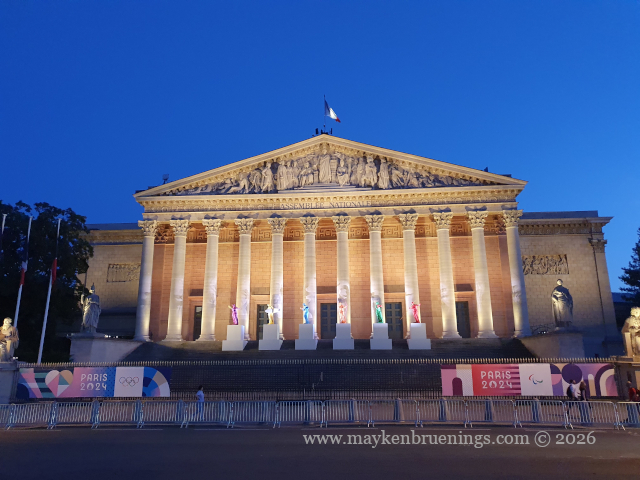
The Assemblée Nationale – seat of the lower house of the French parliament

So here we are, with the world’s biggest sporting event about to begin, a host city full of disgruntled citizens who have just been forced to cast their votes and who only wish their summer vacation were already there.
But there are still a few more events coming first:

The Tour de France
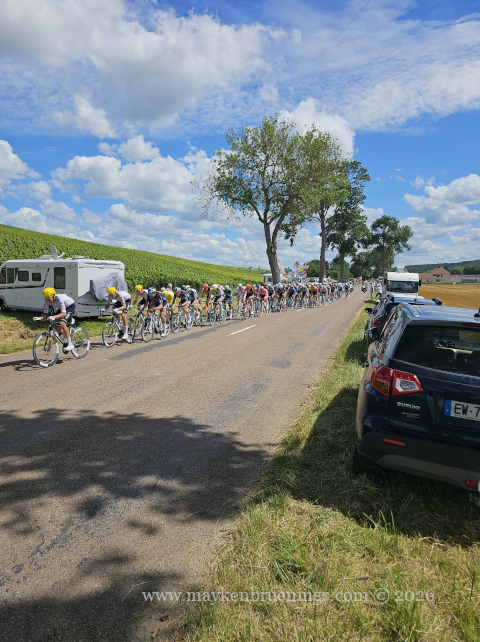
The Tour is a huge annual event. It dominates French television for three weeks, even on rest days. This year, in order to avoid an overlap with the Olympics, the Tour started a week earlier than usual and finished for the first time ever far away from the capital, in Nice. (This should have scored with the disgruntled Parisians. Probably not, though.)
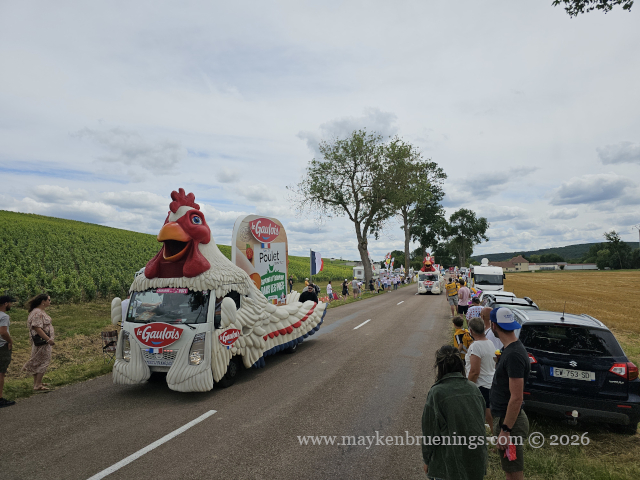
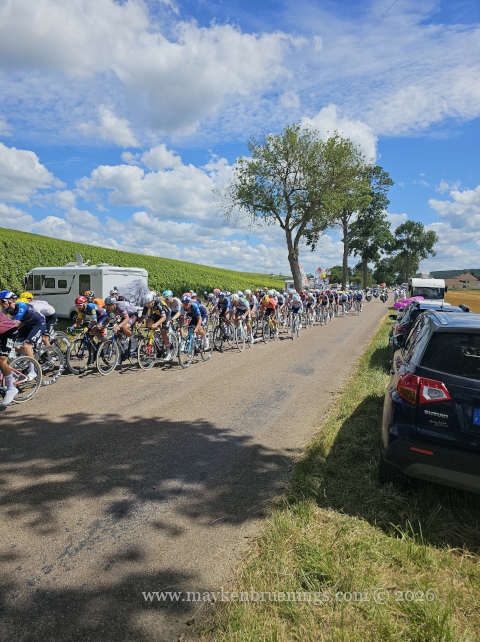
The 2024 Tour de France publicity cars in the Champagne region

Bastille Day
July 14 is the French National holiday, with a big military parade and lots of flag-waving and fireworks. Nothing special to report there, but two days later the prime minister’s resignation was accepted. His government stayed on as caretaker government until all of Paris 2024 was concluded.

On July 17, the French mayor took a quick swim in the Seine, with dozens and dozens of journalists immortalizing her heroic feat. Talk about a political summer!

Promise, no more politics until September.
Share this:

The Paris Games, Part Four: Restrictions

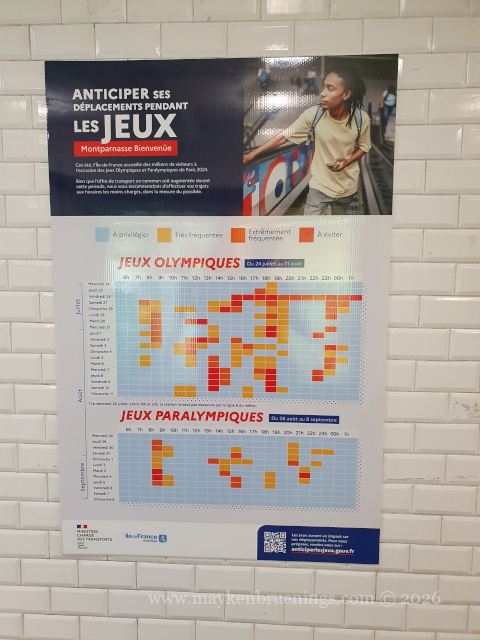
As the Games approached, school was out for the summer, and posters popped up on métro billboards inviting Parisians to work from home, avoid public transport, avoid the stations of the Games sites, and generally stay away, when we’d been sold on the Games as a “Grande Fête Populaire” (a big party for all).

Locals were told to “anticipate” their travels on public transport during the Games (or stay home)

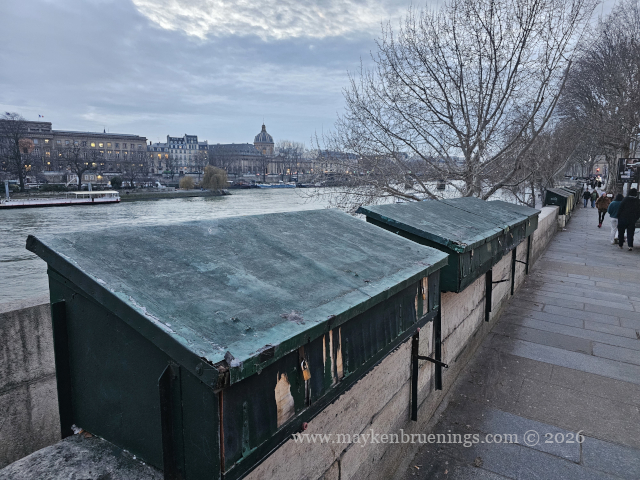
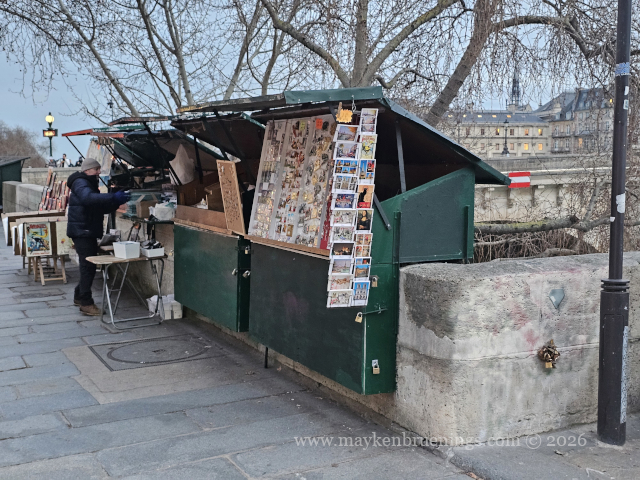
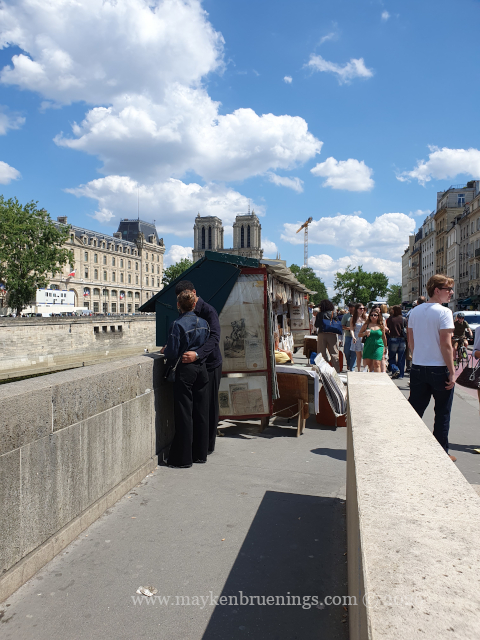
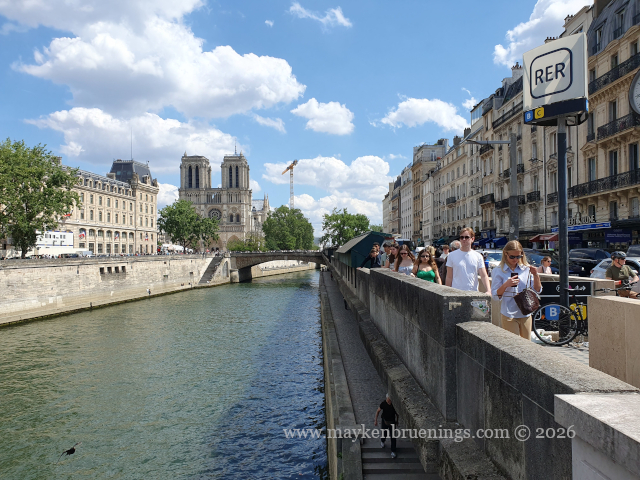
We considered the very large security zones surrounding the Games sites exaggerated, and the Paris mayor’s attempts to relocate the Bouquinistes, you know, those traditional vendors of old books, maps, assorted stuff (and nowadays souvenirs), away from the Seine quais in view of the opening ceremony on the river were greeted with an outcry. She backed off.

In short, Parisians weren’t happy, and we weren’t looking forward to those weeks of projected chaos.

Share this:

The Paris Games, Part Three: Dress Rehearsal

The Beacons are lit!

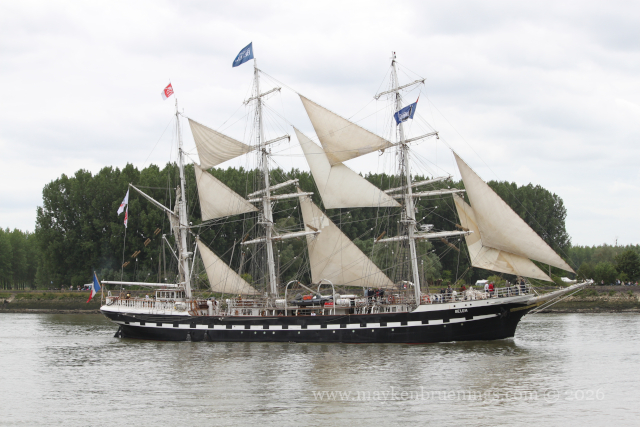
Sorry, I mean the Olympic flame. When the majestic three masted barque Belem carried the torch into the port of Marseille, France was watching.

The BELEM at the Rouen Armada 2013

The torch relay across France and its overseas possessions was a huge event, including people from all walks of life. (French astronaut Thomas Pesquet carried the torch on Mont Saint Michel in his native Normandy.) Even though this is an Olympic tradition, the relay mixed abled and disabled participants from the start and up to the moment the flame was lit during the Olympic Opening Ceremony.

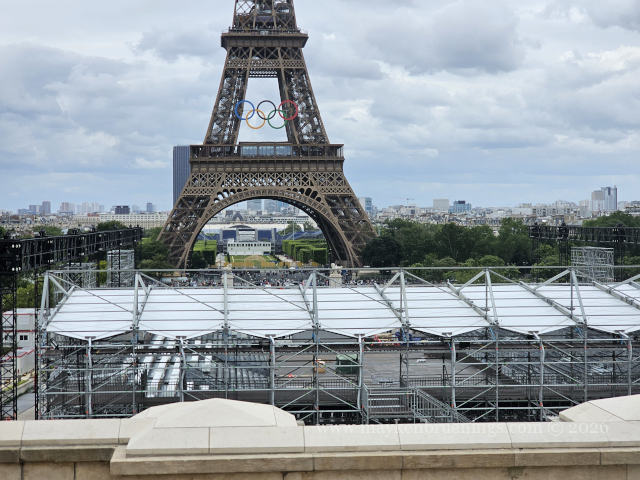
Olympic Opening Ceremony installation at the Trocadéro
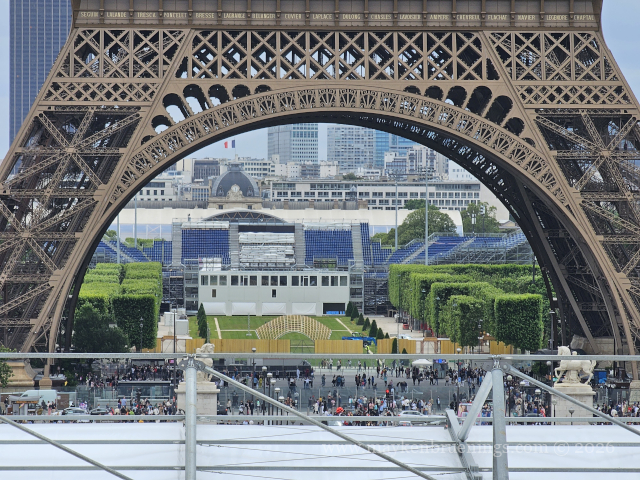
Olympic beach volleyball on the Champ de Mars

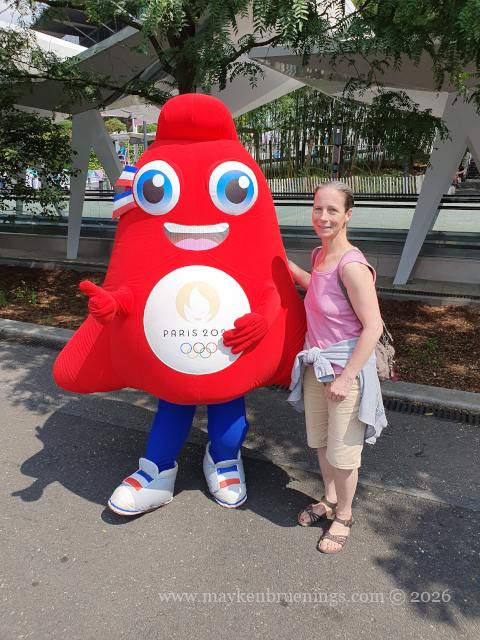
The mascots at this point were still badmouthed. Les Phryges (an Olympic and a Paralympic one) were supposed to represent the Phrygian Cap from the French Revolution, but people would compare them to a part of the female anatomy (or, like my husband, to pigeons).

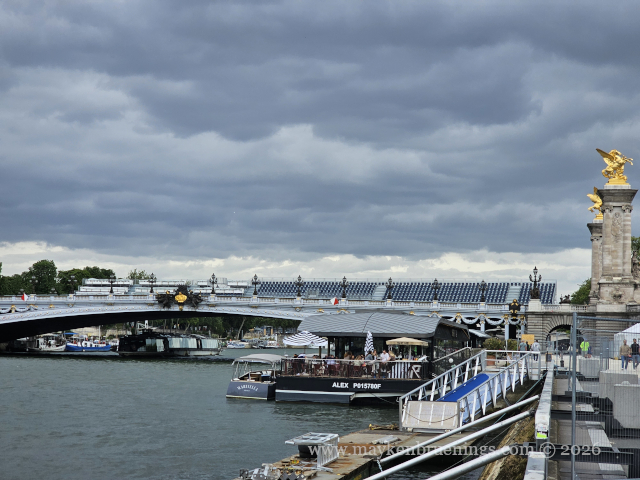
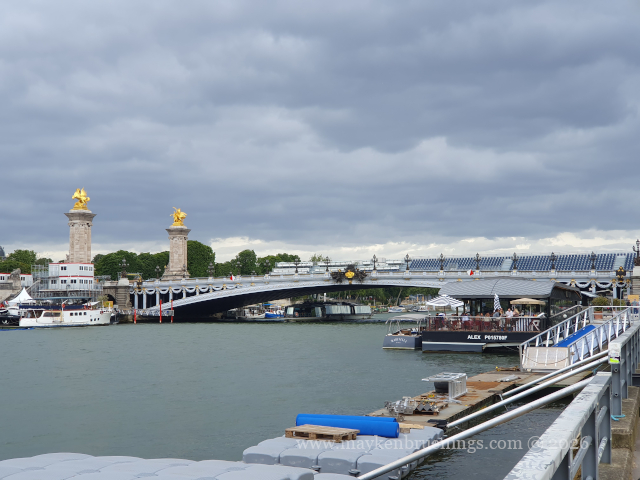
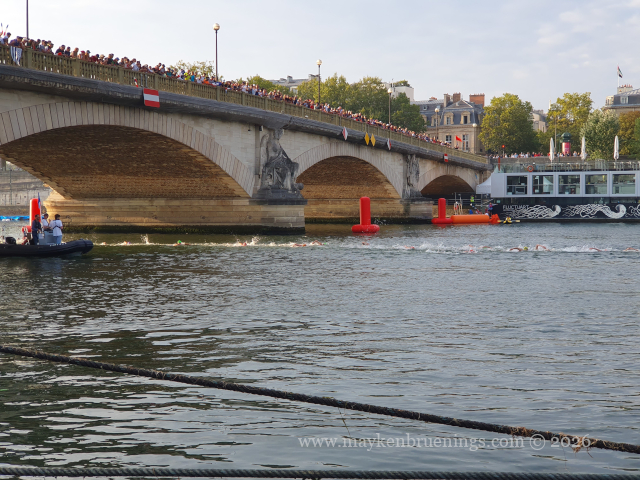
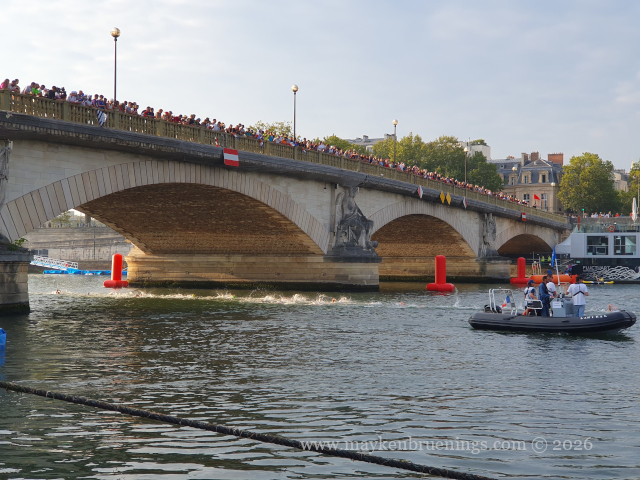
Pont Alexandre III – start and finish of Olympic and Paralympic triathlon
The Seine – triathlon and open-wataer swimming – but will it be clean enough?

Parisians were still upset about the construction and knew that certain new métro lines wouldn’t be finished in time. They were skeptical about the opening ceremony on the river and the Games sites all over town. Oh, and would the Seine finally be clean enough for the open water swimming events?

Throwback to August 2023 when the Seine was barely clean enough to host an open water world cup event

When I went to watch a swimming world cup event that served as dress rehearsal in August 2023, it had to be postponed due to water safety problems.

World Cup open water swimmers in August 2023 (Games dress rehearsal)

Bu the mayor had promised it would be clean in time for the Games, and she would swim in the Seine to prove it.

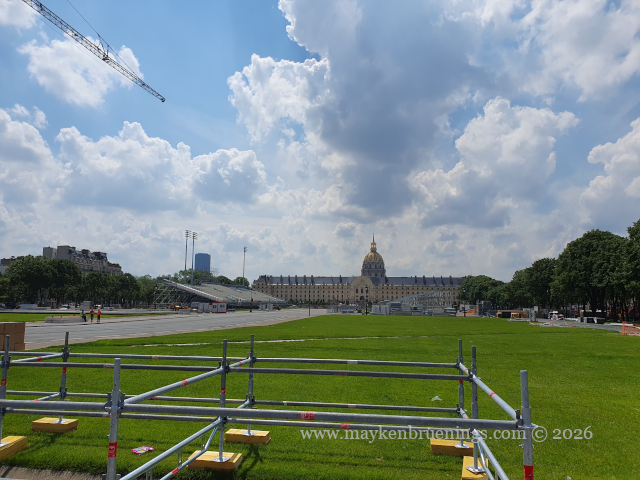
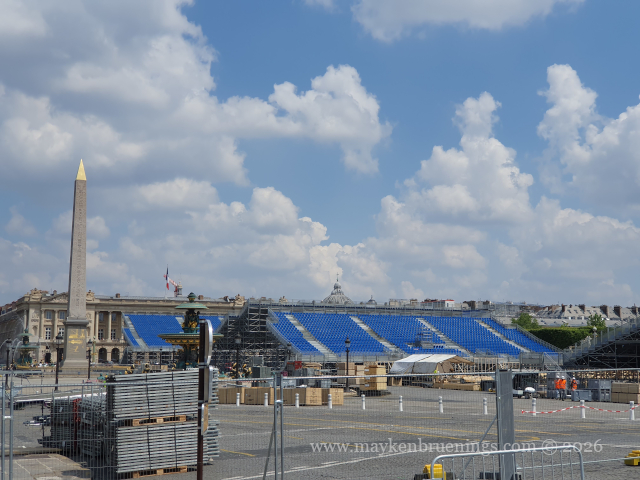
Still, we were curious and went to have a look at the Olympics Opening Ceremony site at the Trocadéro, Invalides (archery), and the Place de la Concorde (3×3 basketball, breaking, skateboarding, and BMX freestyle).

Invalides – installation for archery
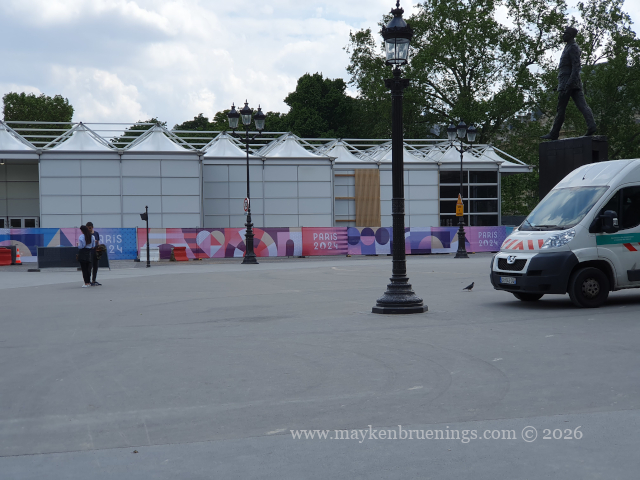
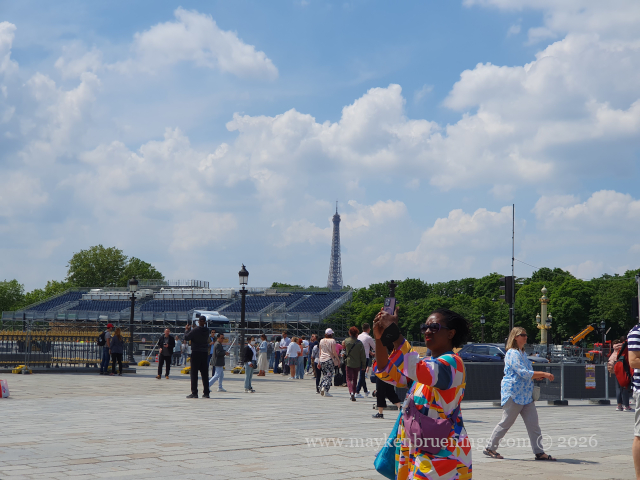
Concorde – 3×3 basketball, breaking, skateboarding, BMX freestyle – also Paralympics Opening Ceremony
Share this:

The Paris Games, Part Two: Tickets

The ticket hype began in 2023. Ticket packages were released, meaning if you chose one sport to watch, you had to buy tickets for another. Individual sports tickets were very expensive, and the promised “cheap tickets so everyone can go” were never available.
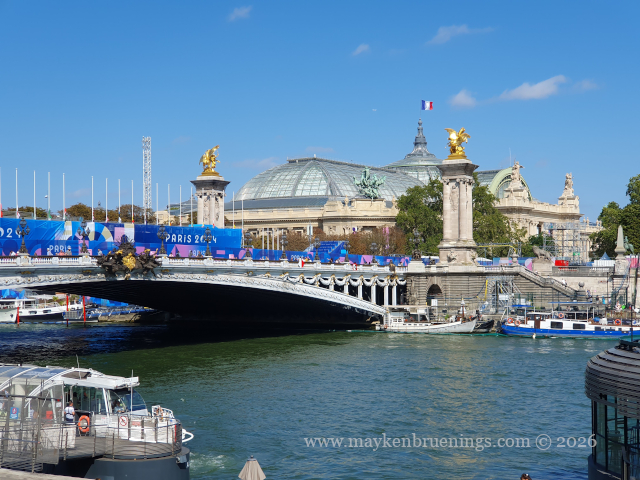
Alexandre III bridge (triathlon start and finish) and Grand Palais (taekwondo & fencing)

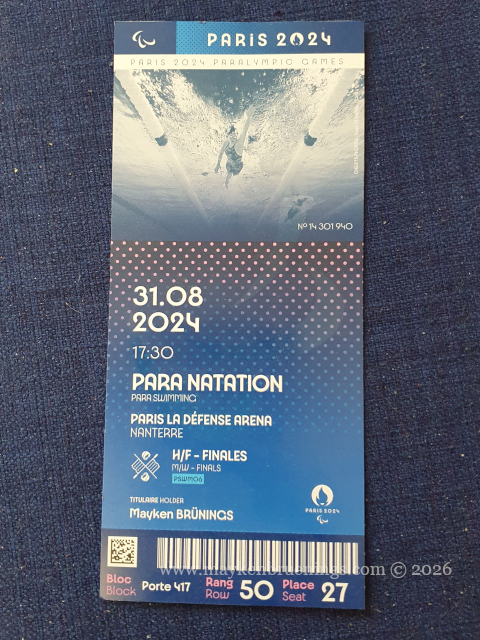
As a swimmer myself, and with Olympic swimming tickets unaffordable (plus being annoyed at all the Olympics hype), I had set my sight on Paraswimming. In November 2023, I purchased tickets for a finals session at the end of August 2024 in Paris La Défense Arena. I had no idea who’d be swimming, and no guarantee the announced races wouldn’t be modified.

A friend who practices taekwondo got a family package for Olympic taekwondo (Grand Palais) and Olympic water polo (in the newly built Paris Aquatics Centre).

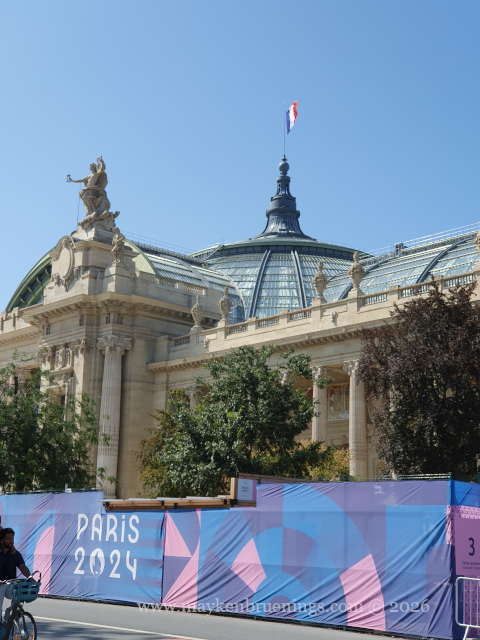
The Grand Palais hosted Olympic taekwondo and fencing.

So, yeah, tickets.

Share this:

The Paris Games, Part One: Preparations

We’d seen it all before. In 2005, Paris was candidate for the 2012 Games, and the Champs Elysées were transformed into a sports display. But as you know, the 2012 Games went to London.

So when it started all over again, we didn’t pay much attention. Paris got the 2024 Games in 2017, but what with endless Yellow-vest protests starting in 2018, two months of métro strikes in 2019-2020, and COVID following in quick succession, we were distracted.

Place de la Concorde – installations for 3×3 basketball, breaking, skateboarding, and BMX freestyle

Then things began to speed up. Construction sites popped up, planning information was released, and Parisians began complaining, as we’re wont to do. The construction that won’t be finished, the hassle it’ll be for locals, the tax money it’ll cost, and look at those ridiculous mascots!

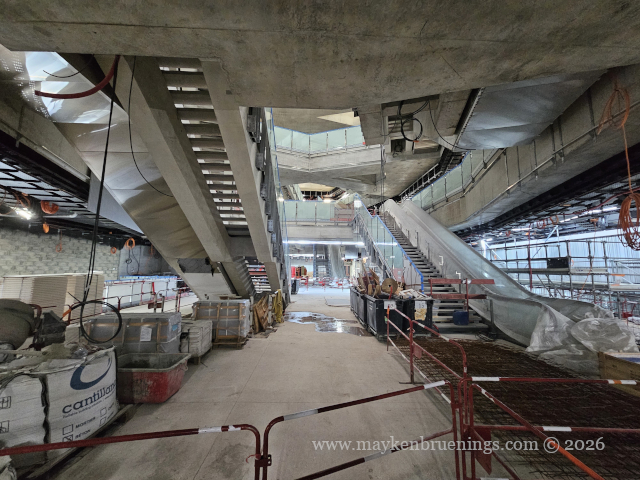
New fast métro still not finished over a year later.
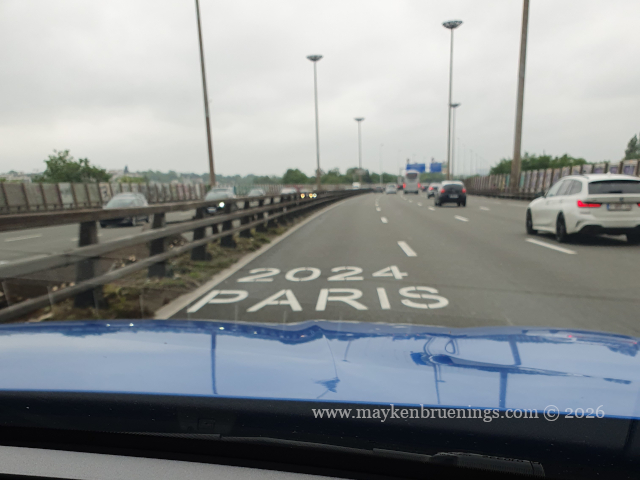
Reserved fast lanes on the highways leading to the sites? A scandal!
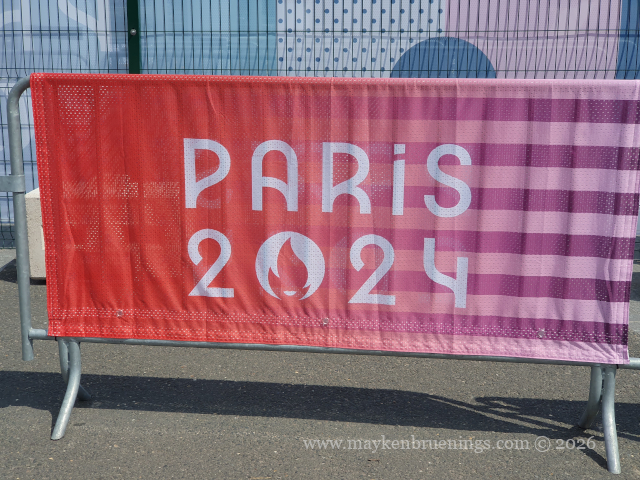
See how sceptical we look – we don’t really want to associate with the mascot.
Spoiler: The construction wasn’t finished, the instructions to locals to work from home were ignored, and the mascots became hugely popular – once the Games began.

Share this:

The Paris Games

Having the Olympic and Paralympic Games in your hometown is a once-in-a-lifetime experience, right? One that most people will never have.
As you all know, the Games did come to my hometown in 2024, and I’m sharing my personal take on it in this summer series:

(The links will go live one by one as the posts publish every 3 days over the next weeks.)

Part One: Preparations

Part Two: Tickets

Part Three: Dress Rehearsal

Part Four: Restrictions

Part Five: Wait What?

Part Six: The First Opening Ceremony

Part Seven: The Games are On

Part Eight: The Cauldron

Part Nine: Tickets At Last

Part Ten: Olympics Live

Part Eleven: Games Not Over

Part Twelve: The Games are On Again

Part Thirteen: Back For an Encore

Part Fourteen: Games Still Not Over

Part Fifteen: Parade of the Champions

Part Sixteen: Games Cleanout Sale

Part Seventeen: Heritage

Part Eighteen: Zeus

Share this:

A Tree

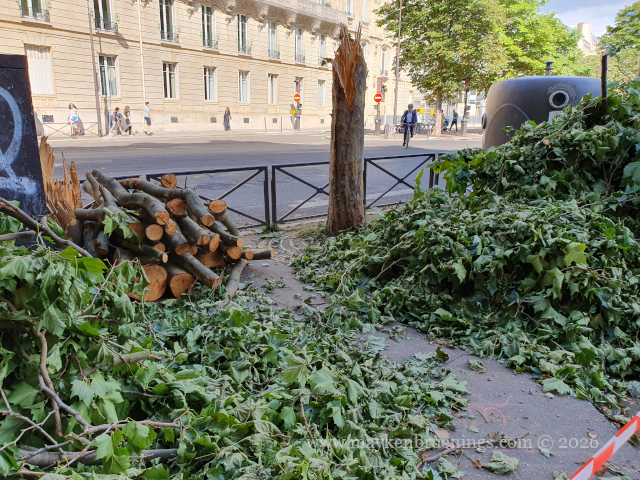
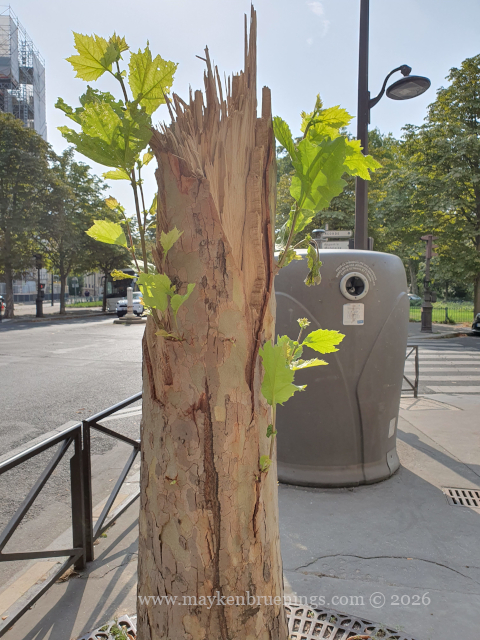
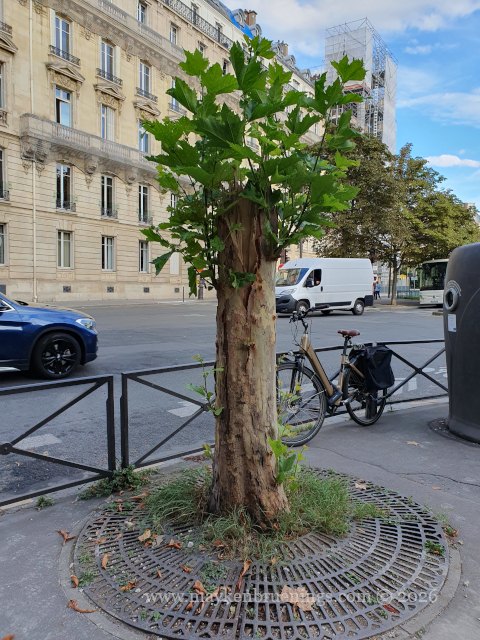
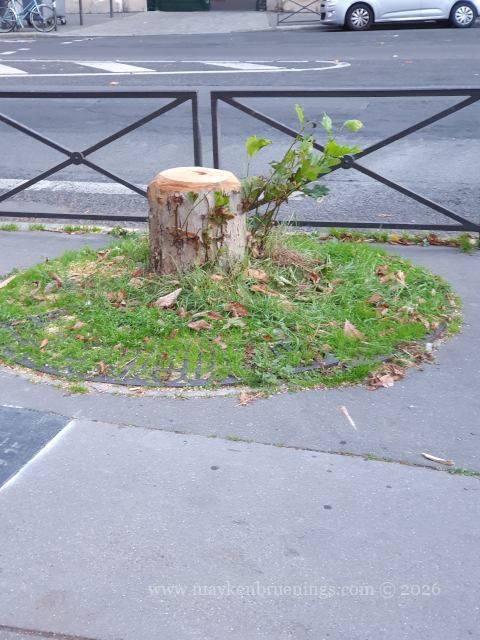
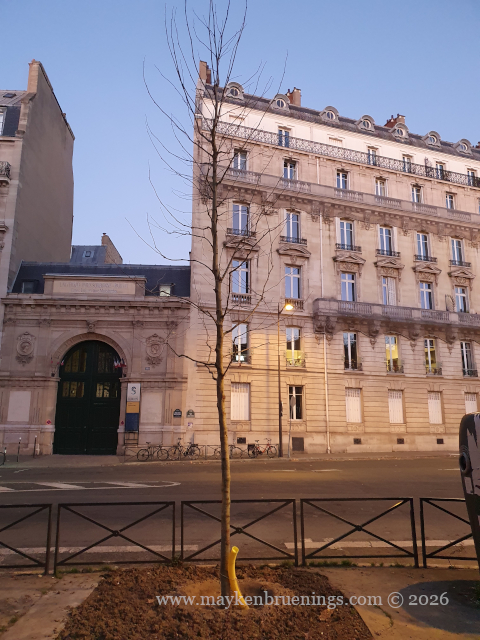
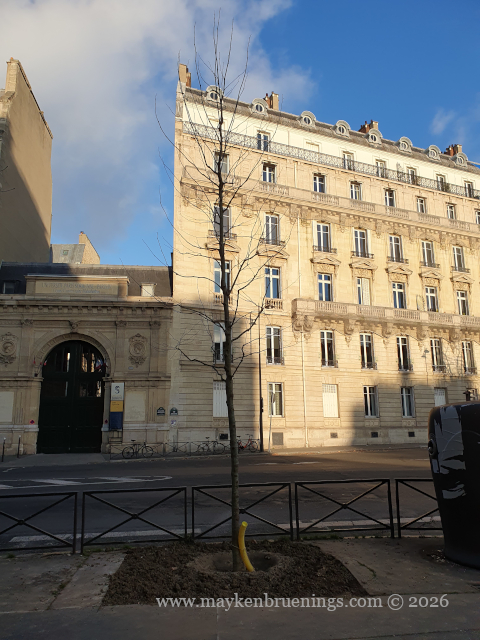
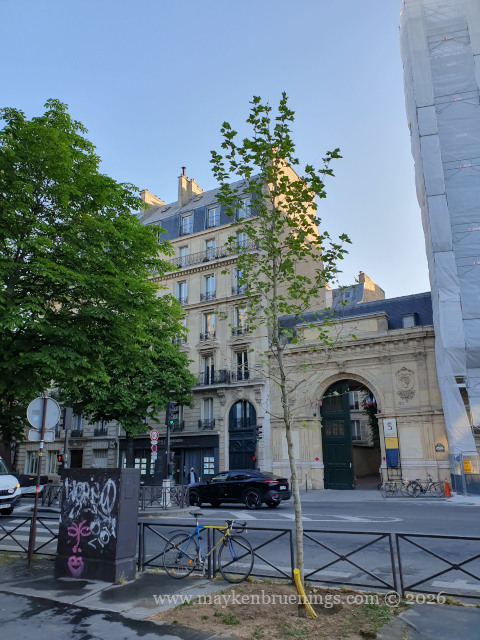
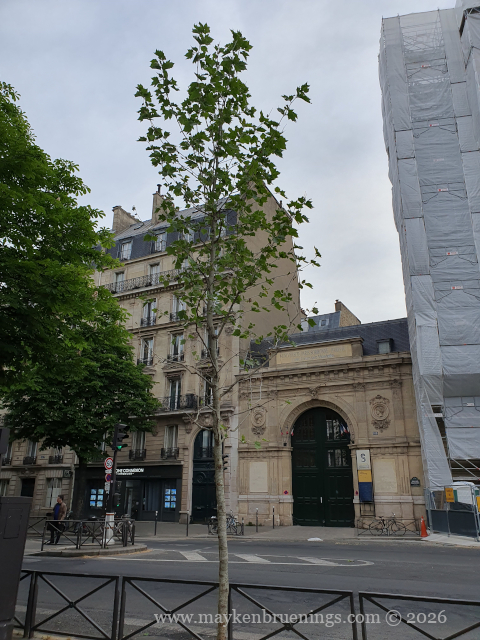
A year ago, near the end of June, a thunderstorm rolled over Paris and left a number of trees in the north-west of town spectacularly damaged. On my way to work the next morning, there was a plane tree right outside my métro station that had snapped a good meter above the ground. Here is what happened over the course of the following year:

clean-up a day or two after the thunderstorm
almost two months later, the tree attempts survival
It made a big effort over the next few weeks!
Two month slater (November), it was cut down 🙁
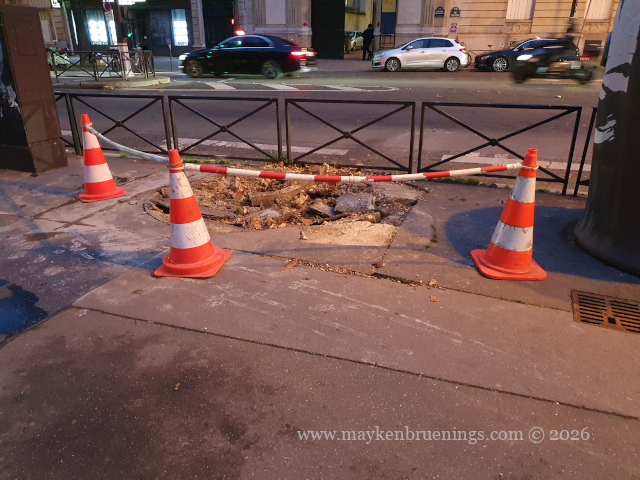
At the beginning of December, even the stump had disappeared.
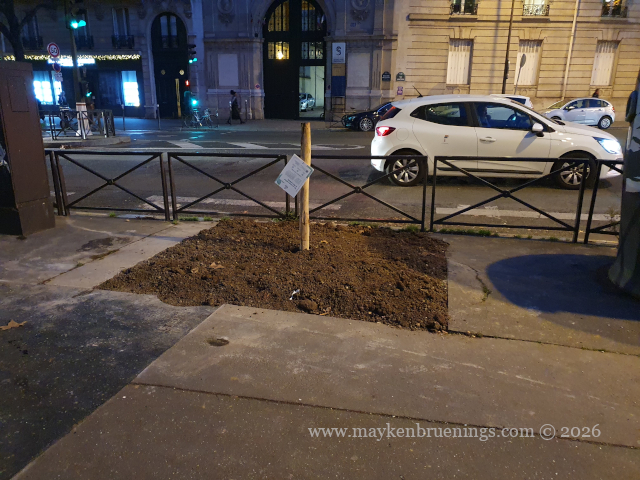
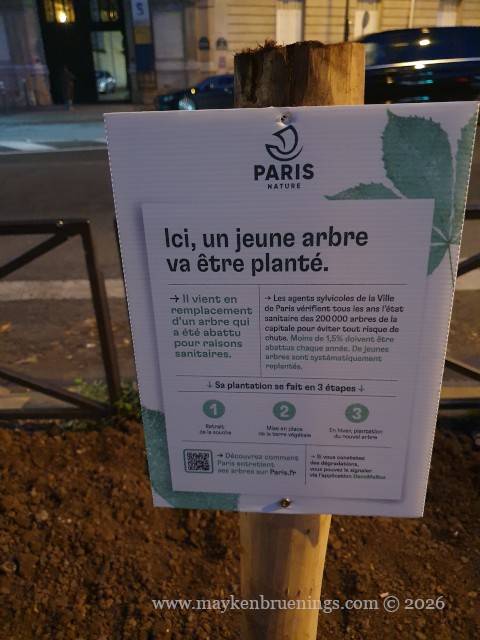
A day later, a sign was put up.
It said, a young tree will be planted here.
And 4 weeks later (end of December), there it was!
The young tree in daylight on the last day of the year.
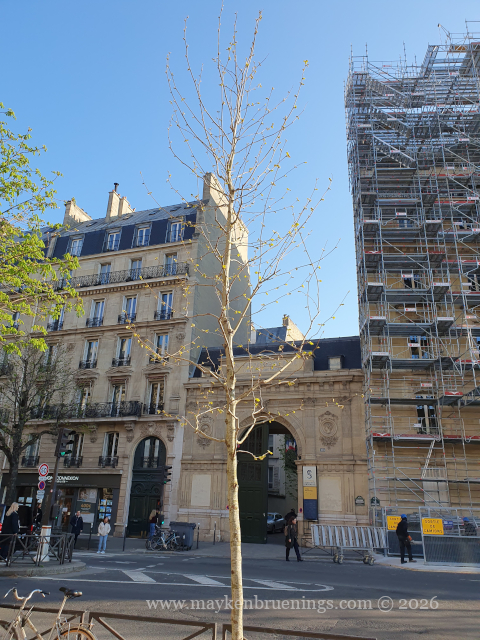
Fast forward to spring: the new tree in March.

The tree living its best life (for a Paris street tree) in April.

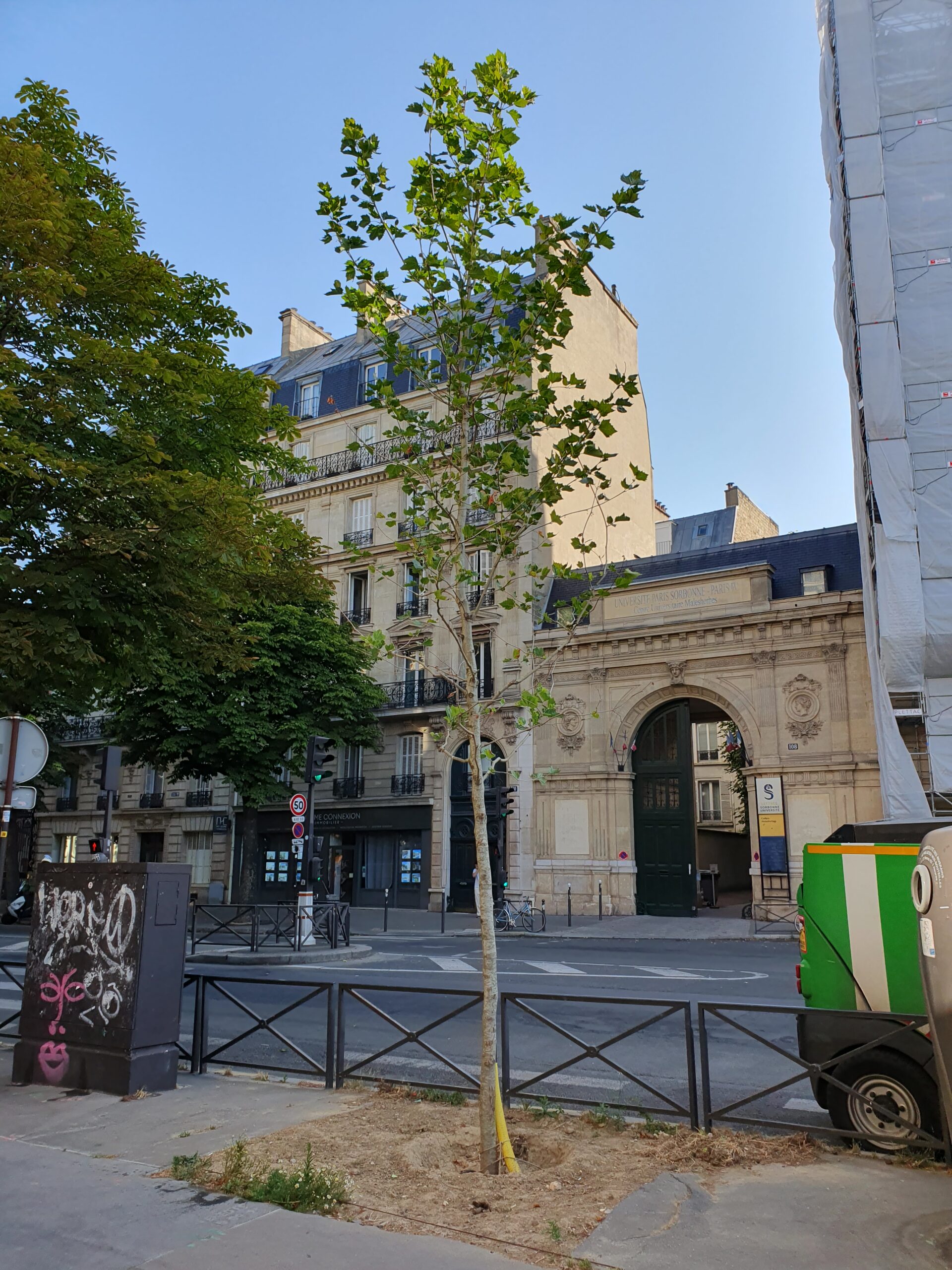
And here we are full circle, a year later, almost to the day.
Share this:

Gare de l’Est in the shadow of its bigger sister

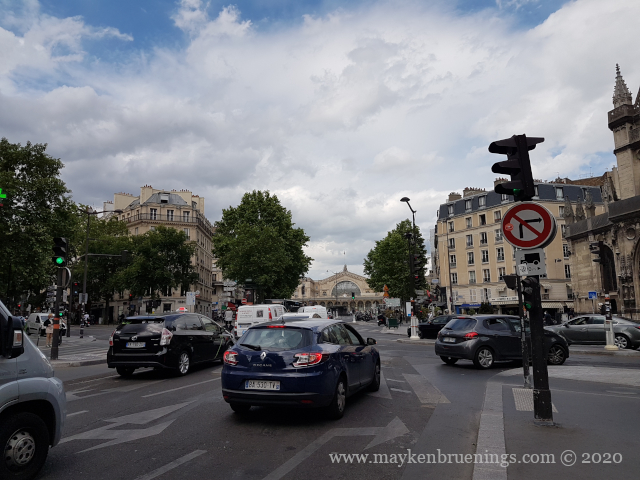
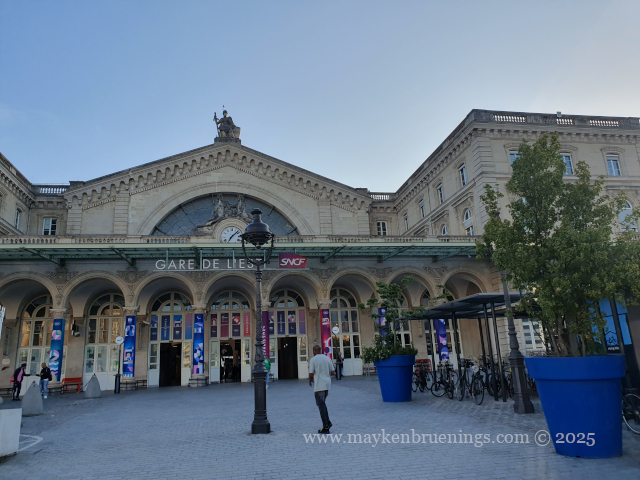
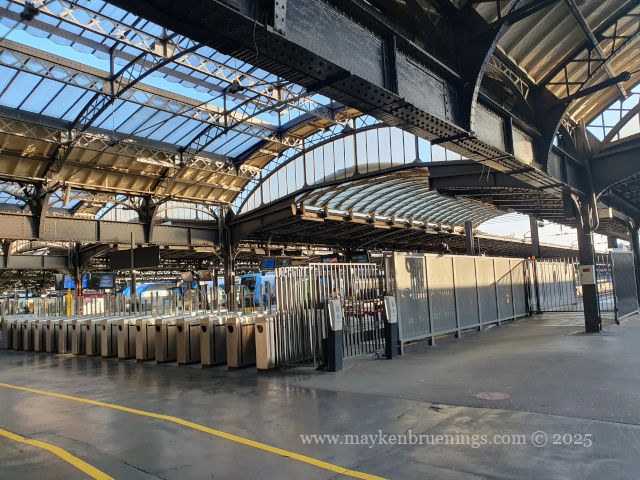
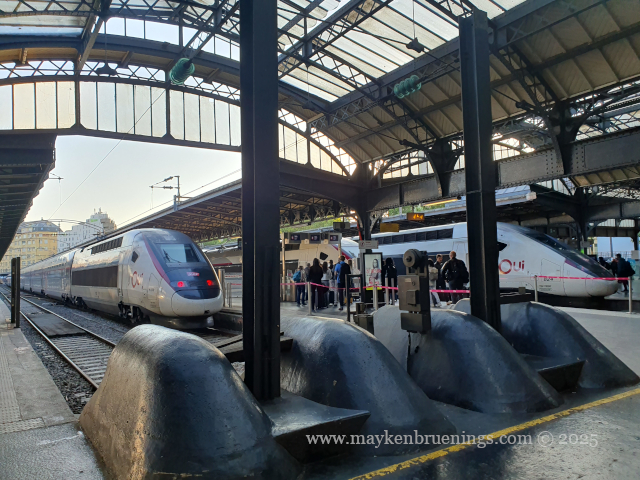
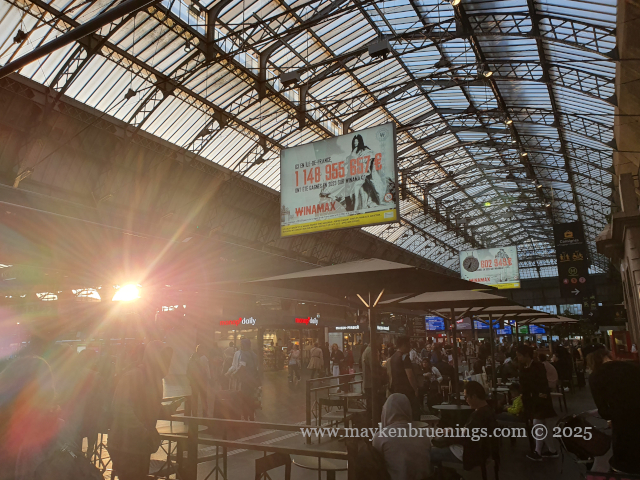
Paris Gare de l’Est is the little sister of Gare du Nord. In fact, the two stations with their imposing façades are located just 500m apart in the 10th arrondissement. The Gare de l’Est sits at the end of one of the long straight boulevards Baron Haussmann cut through the city, the Boulevard de Sébastopol which turns into Boulevard de Strasbourg. Fun fact: The train station was initially called Gare de Strasbourg.

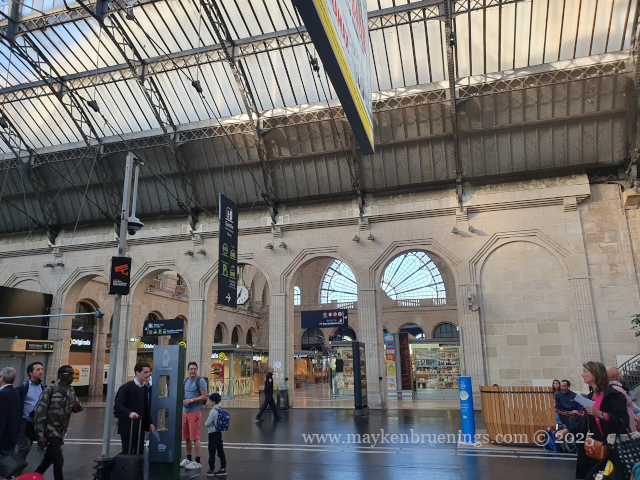
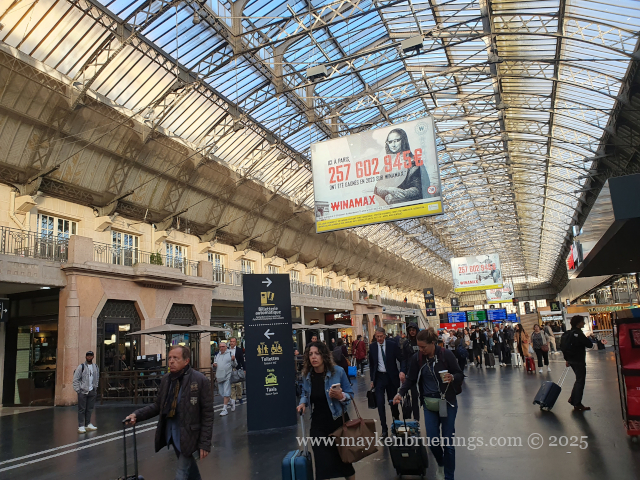
Its style is neoclassical, with some parts being Art Deco, notably the glass-roofed departure-arrivals hall. Note the beautiful half-circle rose window on the main façade.

Like all the other Paris train stations, the Gare de l’Est is a terminus station. Being the 5th-busiest of the six main stations, from Gare de l’Est trains go to–you guessed it–Strasbourg, which these days is served by the high-speed TGV Est on its way to Frankfurt, but also the rest of North-Eastern France (Champagne-Ardennes, Lorraine, Alsace), Luxembourg, the southern parts of Germany (for the North, go to Gare du Nord), Austria, and even Italy, as well as local trains (TER) serving the eastern part of the greater Paris area. In 1883, the first-ever Orient Express train to Istanbul made its departure from Gare de l’Est

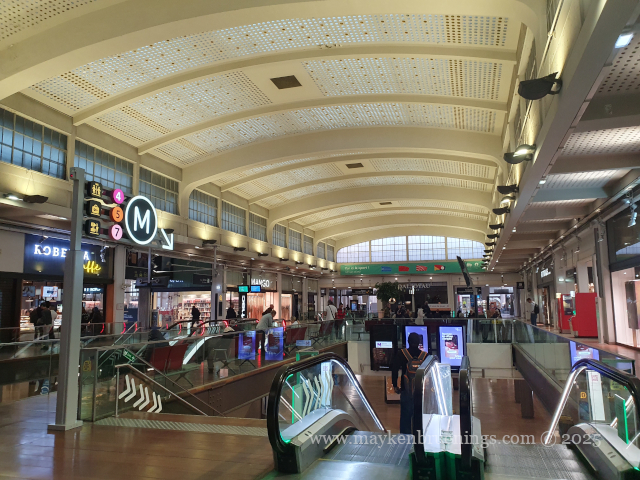
The Gare de l’Est can be reached by bus and métro (4, 5, and 7). From Gare du Nord, you can walk or take the métro 4 (one station) which serves both stations.

The Gare de l’Est has featured in numerous French movies, sometimes standing in for other stations as it is less busy. One you might know is Amélie (2001).

Below the tracks 2 and 3, there is a bunker from WWII that was in fact begun not long before the war and completed by the Occupant in 1941. It is, however, not open to the public.

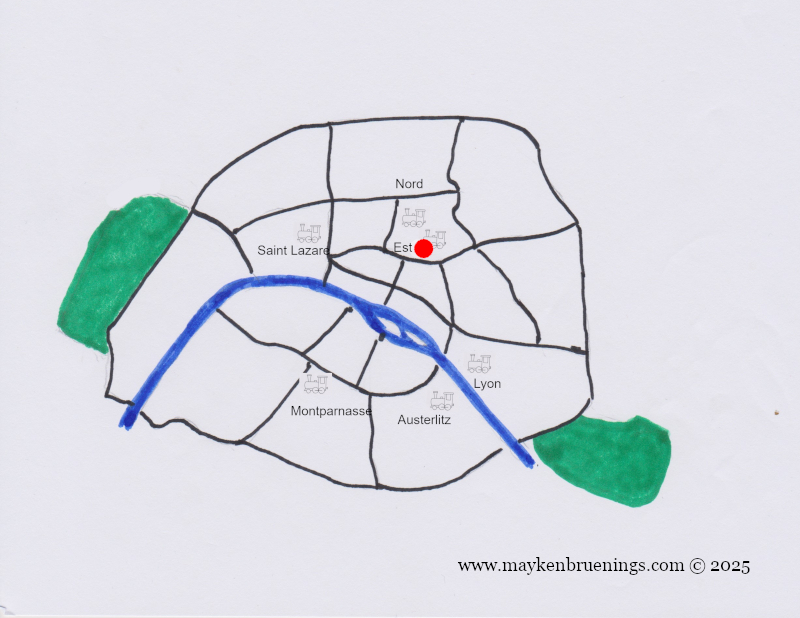
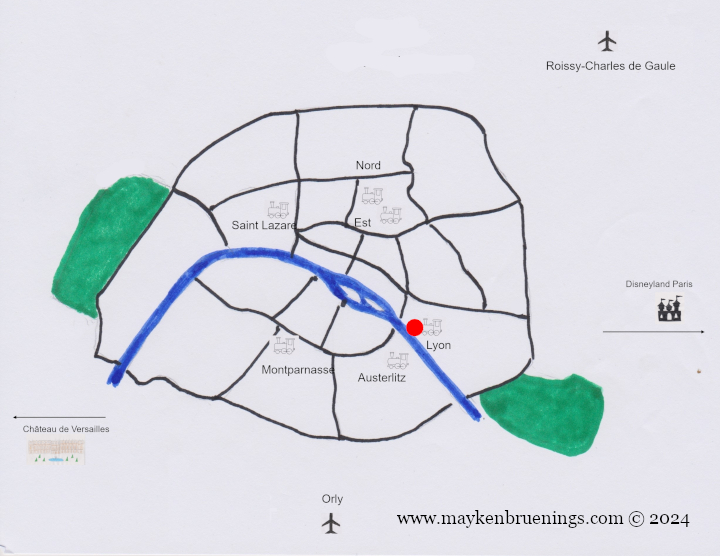
Gare de l’Est on a map of Paris
Share this:

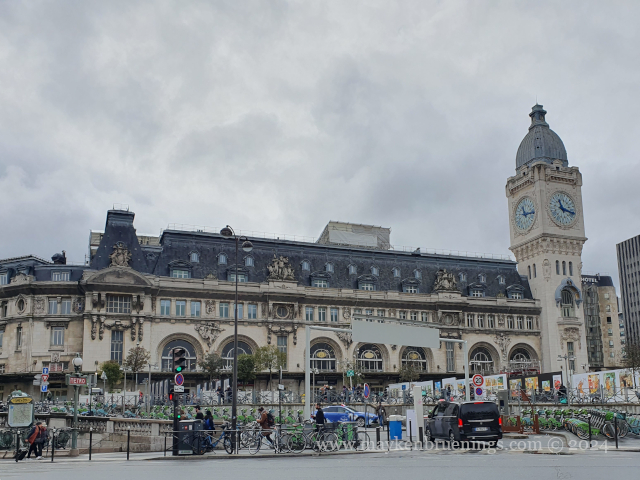
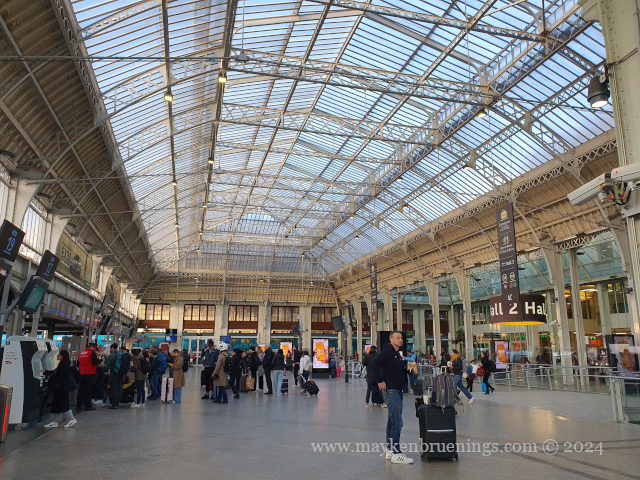
Lyon Station in Paris

When the train station sign says „Gare de Lyon“, you’re not in Lyon. If you were, you’d read either Lyon Perrache or Lyon Part-Dieu. But Gare de Lyon means you’re in Paris.

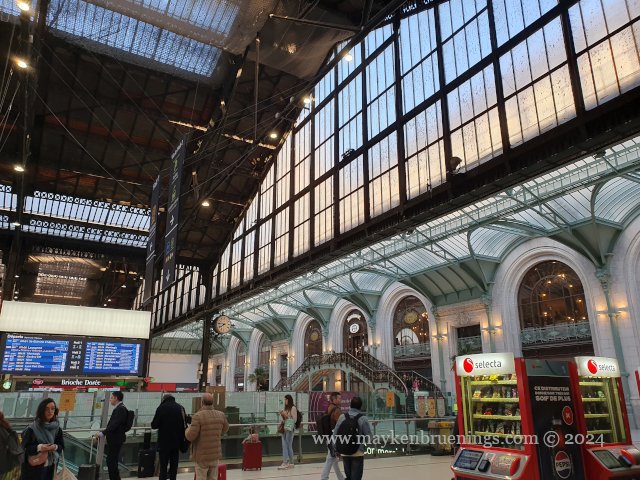
Hall 1

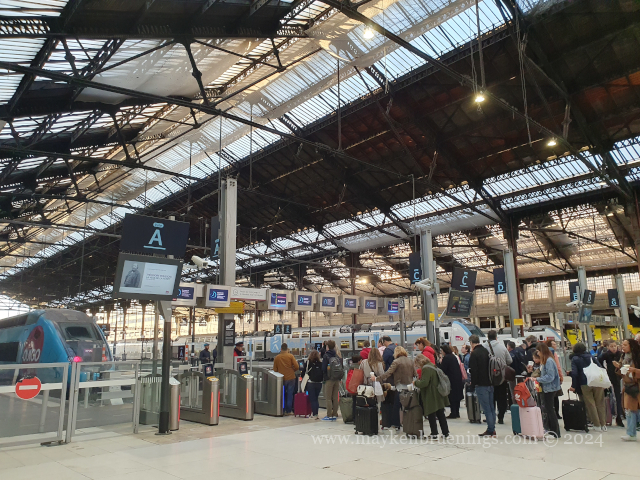
So, welcome to the second-biggest Paris train station after Gare du Nord. Gare de Lyon has two main halls, Hall 1 and Hall 2, with platforms named A, (no B), C, D… in Hall 1 and numbered starting with 13 in Hall 2.

Platforms in Hall 1 – the B is missing
Hall 2 – numbered platforms on the left

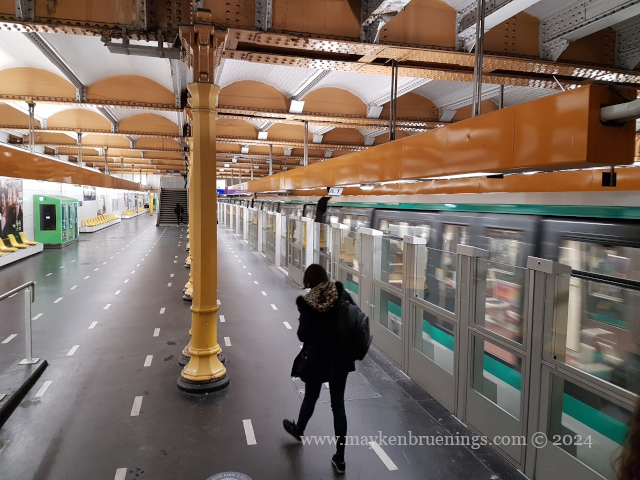
The Gare de Lyon is, like all other train stations in Paris, a terminus. Its high-speed trains (TGV) serve the southeast of France, the Mediterranean coast, and the neighboring countries: Spain, Switzerland, and Italy. Regional trains (Transilien) serve the southeast of the greater Paris area, and two RER lines run below the station, RER A and RER D, as well as the metro lines 1 and 14.

Located on the upper floor, the legendary Second Empire-style restaurant Le Train Bleu is a listed historical monument.

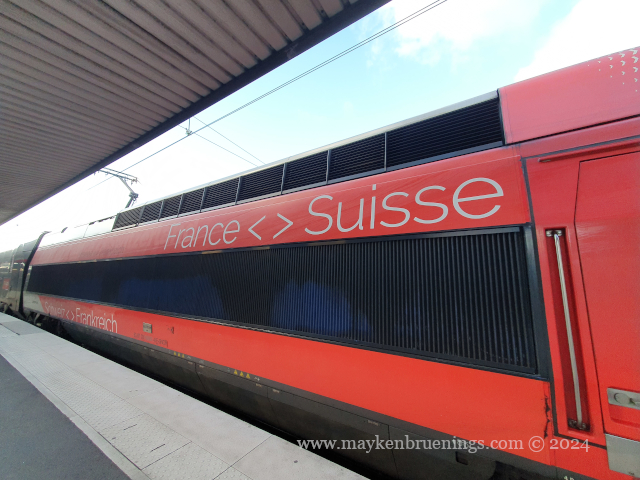
Gare de Lyon serves Switzerland with the TGV Lyria trains

The Gare de Lyon is located in the 12th arrondissement, and you can reach its nearest neighbor, the Gare d’Austerlitz (change here for trains to Orléans, Bordeaux, Toulouse, and Nantes), on foot by crossing the Seine on the Charles de Gaulle bridge (approximately 10 minutes’ walk).

Gare de Lyon train station in the 12th arrondissement

Share this:

Spot the Tower

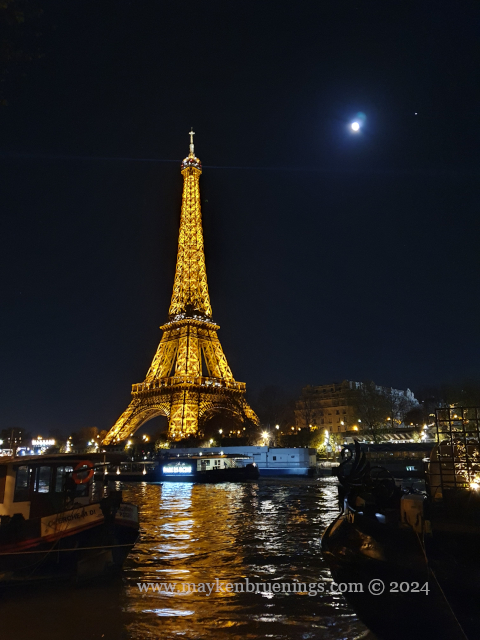
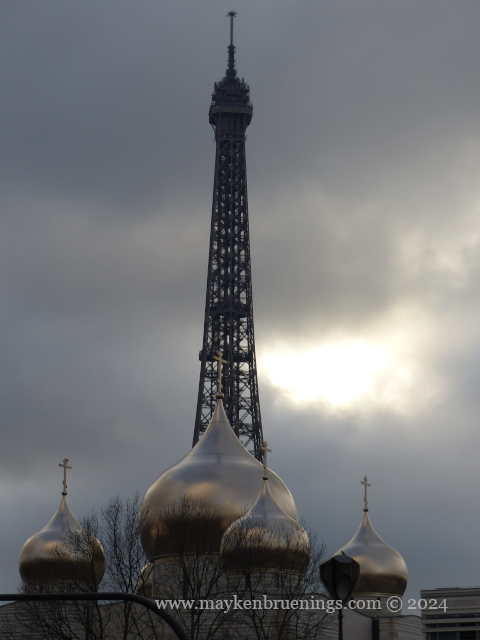
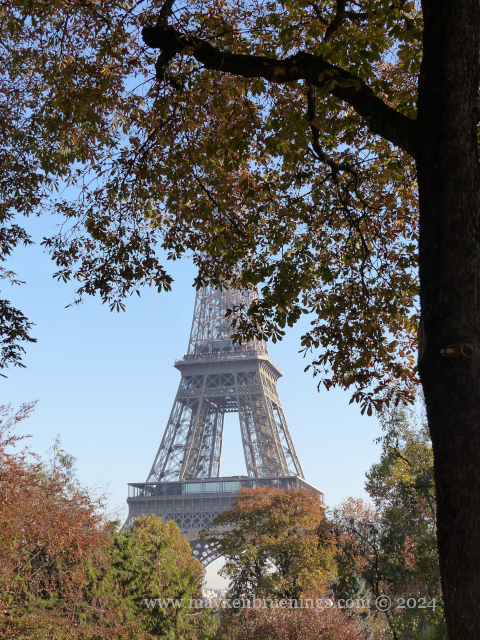
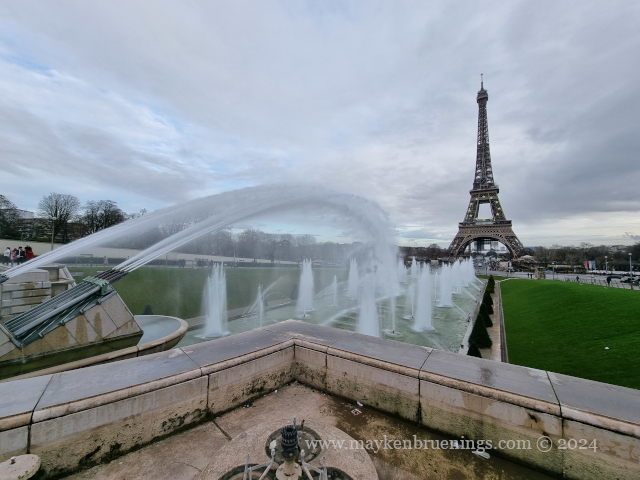
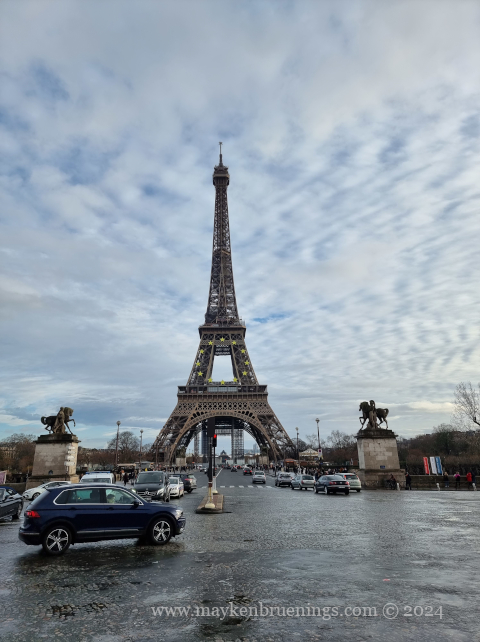
With its height of 300m, the Eiffel Tower can be seen from many locations in Paris. But where is the best place to see it? Follow me!

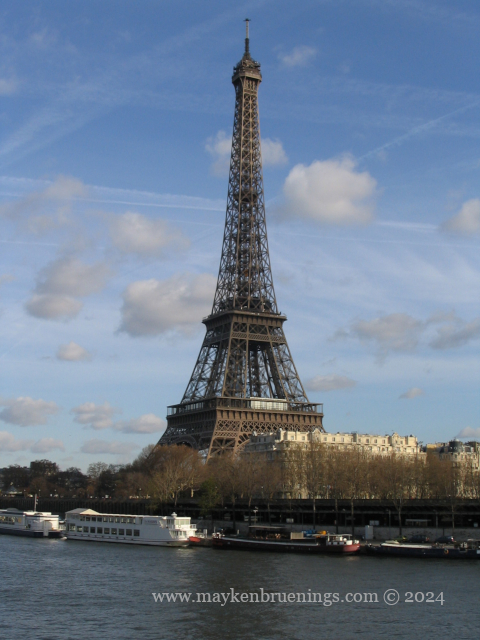
From across the river:

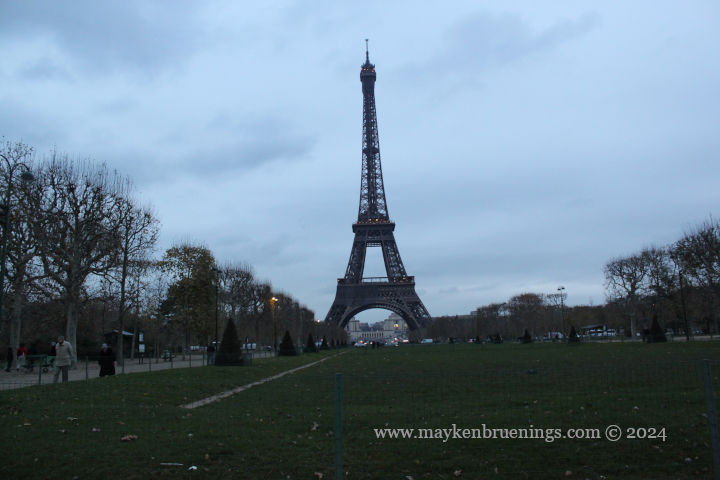
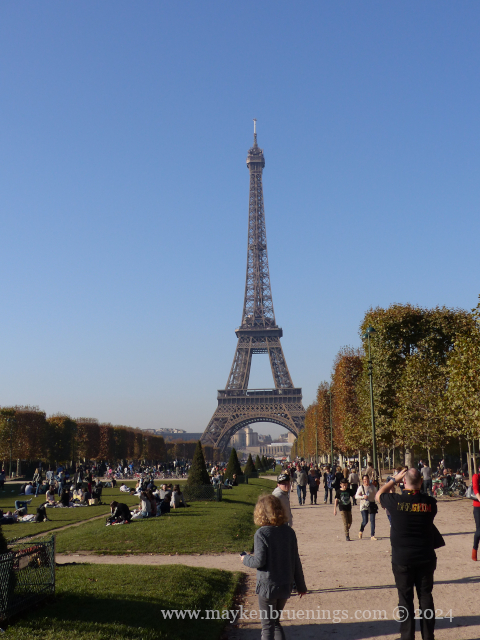
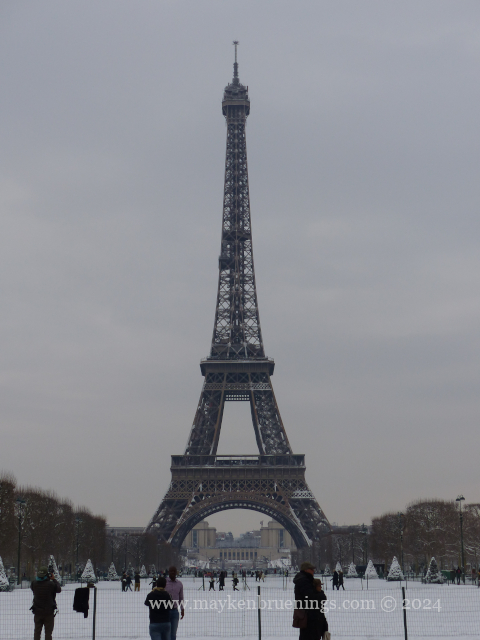
From the Champ de Mars:

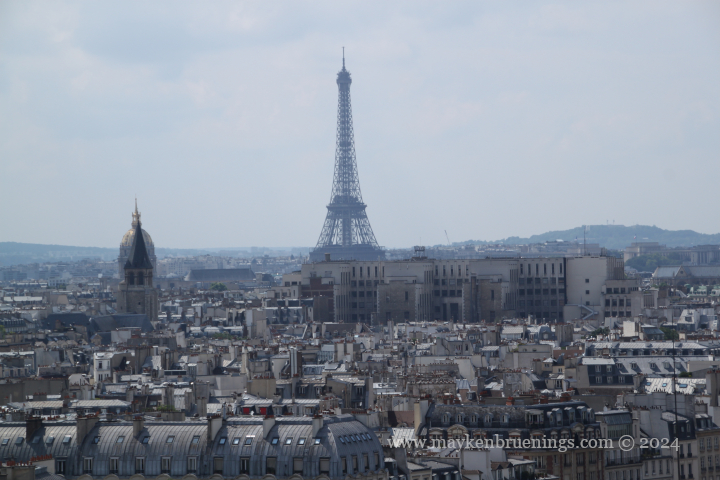
From the towers of Notre Dame:

From many bridges:

From the left bank side of the Pont de l’Alma:

From the Trocadéro:

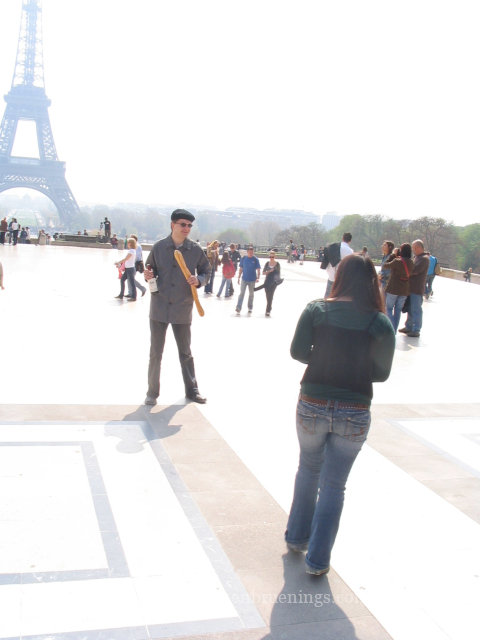
The Esplanade du Trocadéro is the most popular photo spot
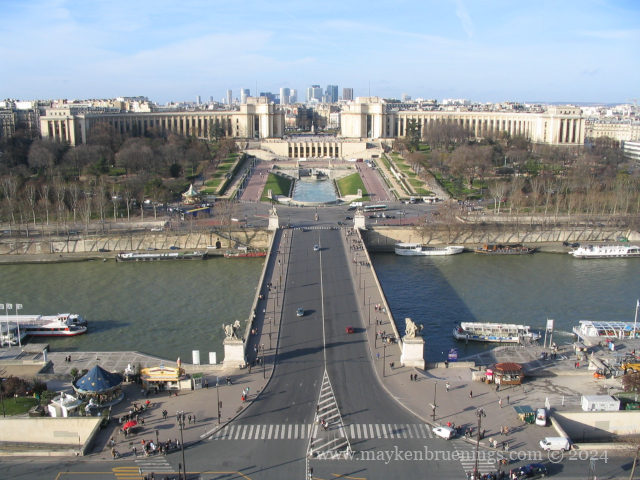
View from the Eiffel Tower back to the Trocadéro

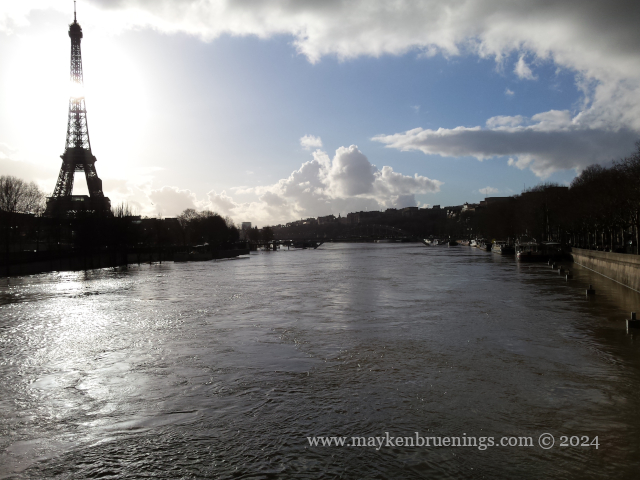
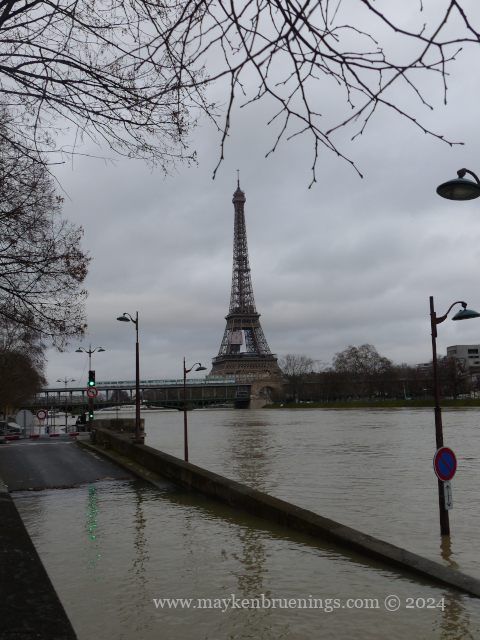
From the right bank embankment (even during a flood):

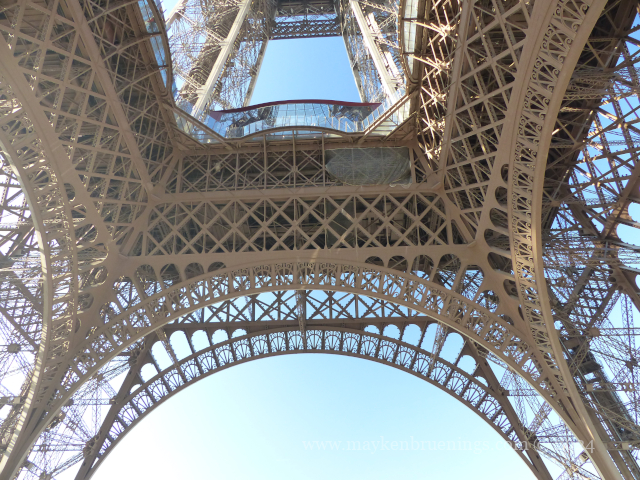
And of course, from directly below:

How to reach the Eiffel Tower viewing spots:

  • Métro lines 6 and 9, stop Trocadéro, for the Trocadéro
  • Métro line 6, between Passy and Bir-Hakeim, for a view from the train
  • Métro line 6, stop Bir-Hakeim and RER C, stop Champ de Mars, for the Tower
Share this: