The Paris Games, Part Ten: Olympics Live

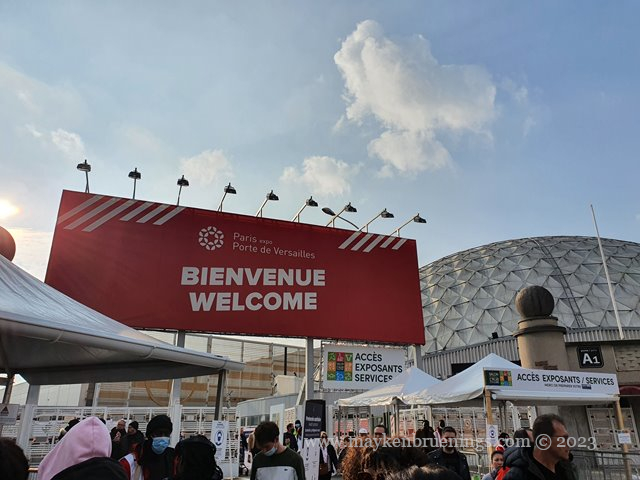
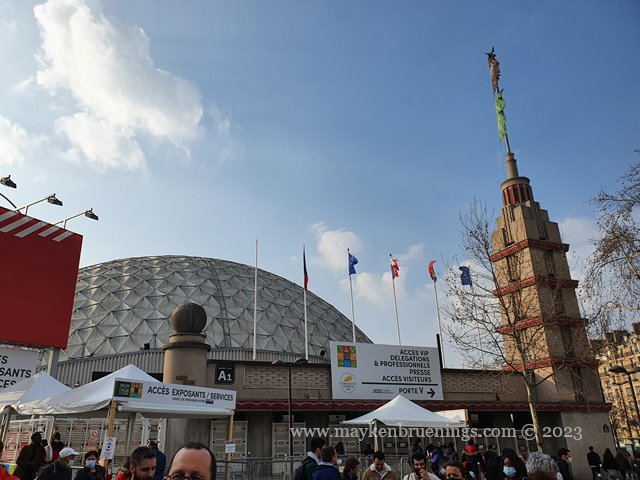
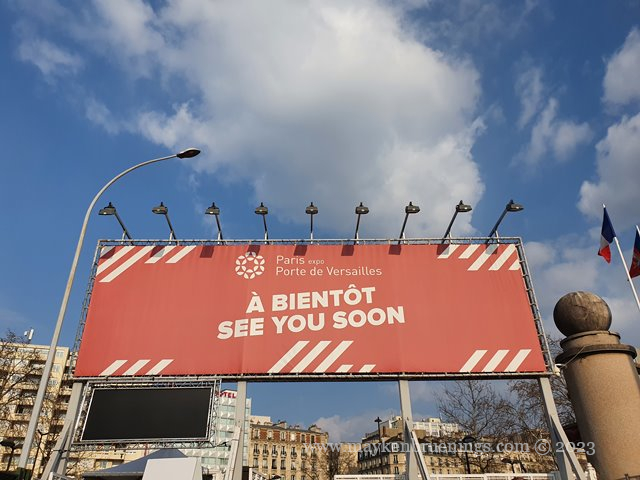
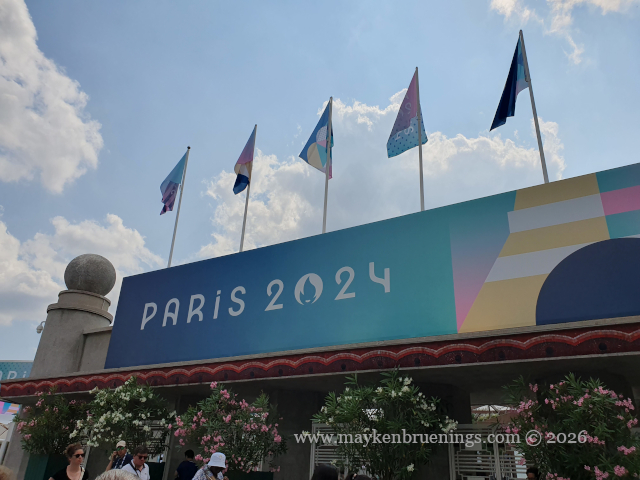
Paris Porte de Versailles fairgrounds were rebranded as Arena Paris Sud

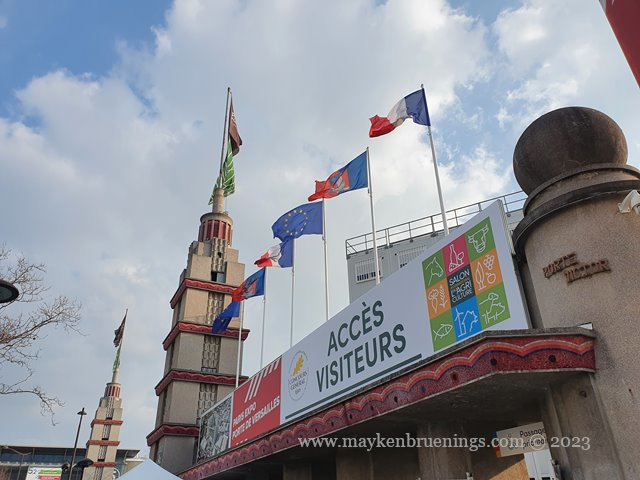
Friday came along, and I was far too early at Arena Paris Sud. The tram stop in front of the site was closed and you had to get off either at the one before or the one after, but again, pink signs and friendly volunteers were everywhere. Arena Paris Sud is the Paris fairgrounds, which I’m very familiar with due to it hosting the International Agricultural Fair every February. For Paris 2024, it hosted table tennis (featuring the French brothers Alexis and Félix Lebrun), handball, weightlifting, and volleyball. As I arrived, a big crowd of spectators left the grounds, apparently a handball match had just ended.
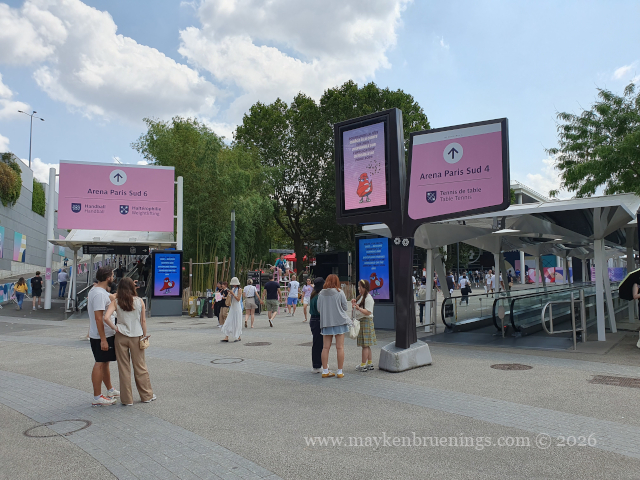
Left for handball and weightlifting, right for table tennis. (Volleyball is behind you.)

There were strict controls, not only of tickets but also of bottles. You had to take a sip from your bottle if it was full, but you could bring an empty one like I did and fill it up on the premises. Once inside, there was volleyball-themed entertainment for the visitors, and you could watch the two teams warm up. In my case, it was the favored Brazilian team against the outsiders from Egypt in a pool game that wasn’t shown on any of the French tv channels.
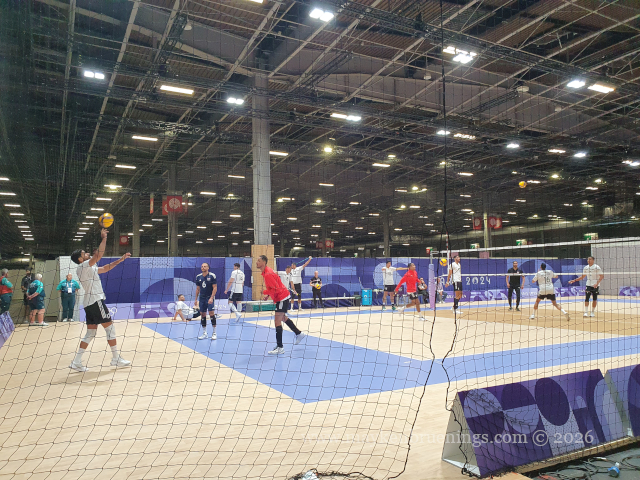
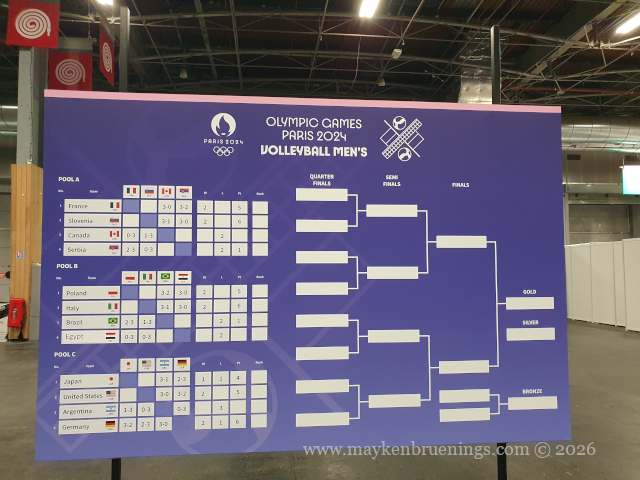
The Egyptian team warming up in Hall 1

Once we were seated, pre-game animations included an overview of the rules, and cues for us to encourage the players.
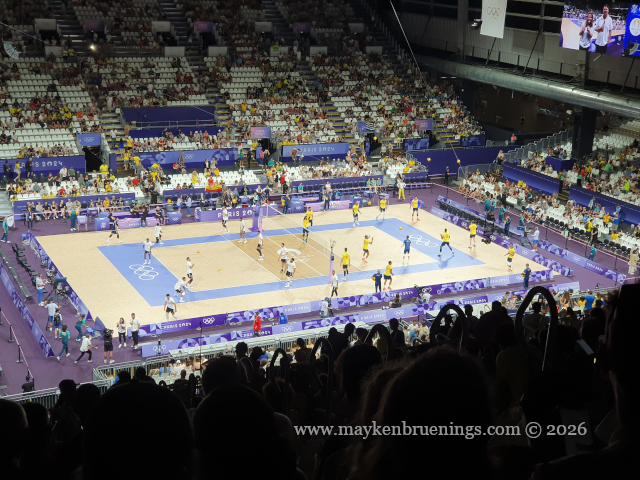
Warm-up in the arena

There was music too (“Walk like an Egyptian”), and during the national anthems, Brazilians outnumbered Egyptians among the spectators.
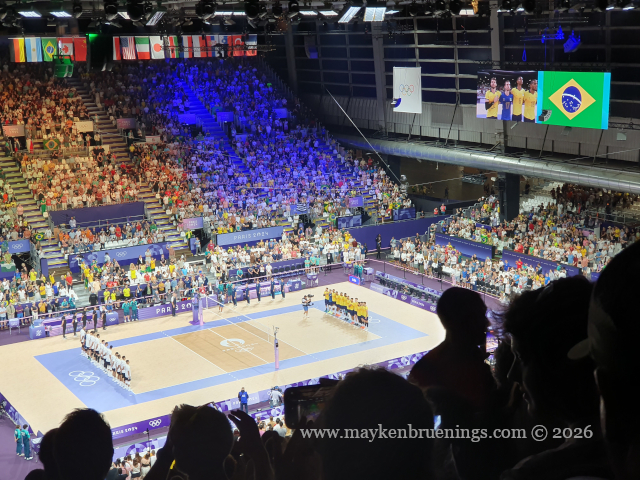
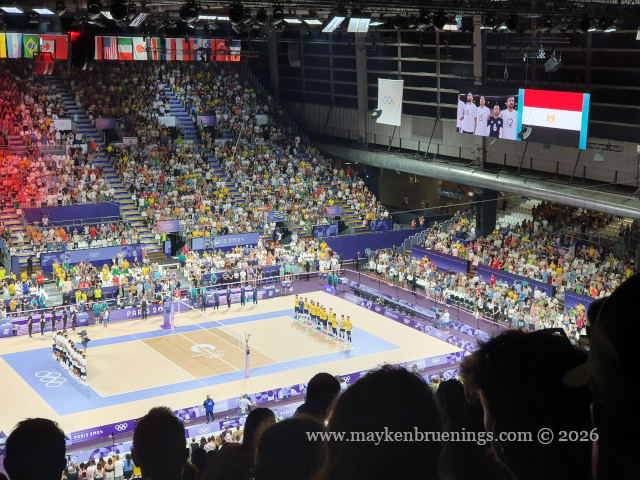
Even more important, there were the “trois coups de bâton”. This is a tradition from French theater, thumbing a staff three times on the floor to open the session. In more prestigious sessions, notables, celebrities, retired athletes, would give the signal. In my pool match, a volunteer did the honors. It still felt special. I was part of the experience, of the Olympic Games.
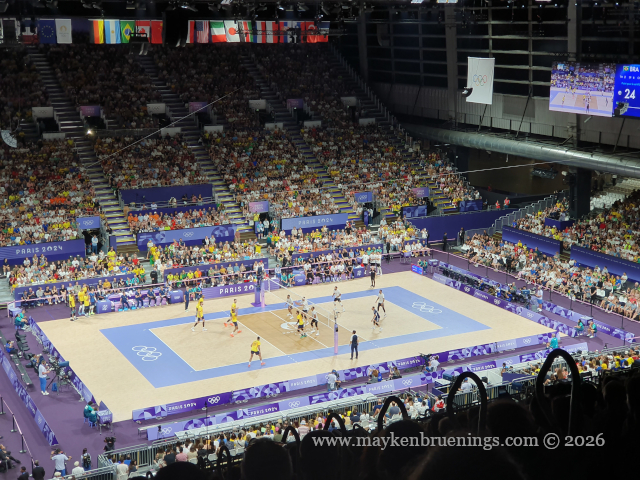
Unfortunately, the match was over quickly, the Brazilians beat the Egyptians 3:0 in 75 minutes. But my Olympic adventure wasn’t over yet. On the common premises of Arena Paris Sud, not accessible before the match, you could buy souvenirs at the official licensed shop and get your photo taken with the Olympic rings. You joined the line, and when it was your turn, a friendly volunteer would take your phone to snap a dozen pictures. Everyone waited patiently while you installed your kids, no one grumbled.
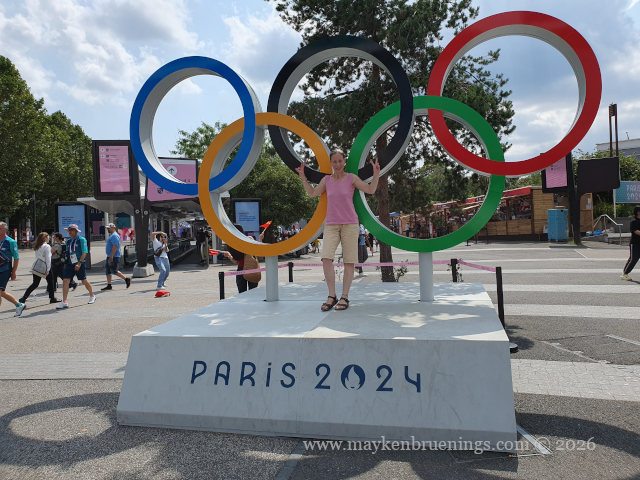
I’m at the Olympics!

Another volunteer sat in an umpire seat (think of a tennis match) and directed traffic, aka the various spectators ambling around after their sessions.
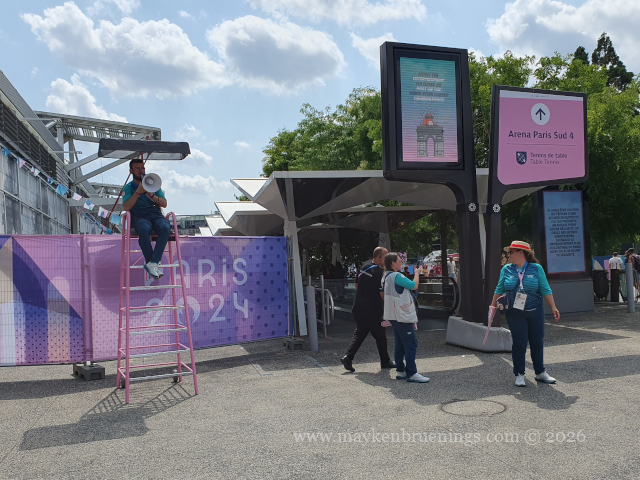
So much love for the volunteers! That guy in the umpire chair made some fun announcements.

Two ladies were in the line ahead of me, one carrying an umbrella to protect her from the sun. While volunteer 1 took the phones and the ladies went to pose with the rings, volunteer 2 held the umbrella over his colleague’s head.
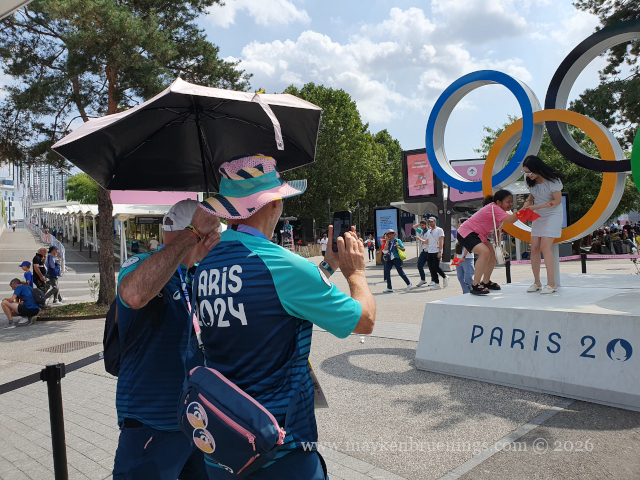
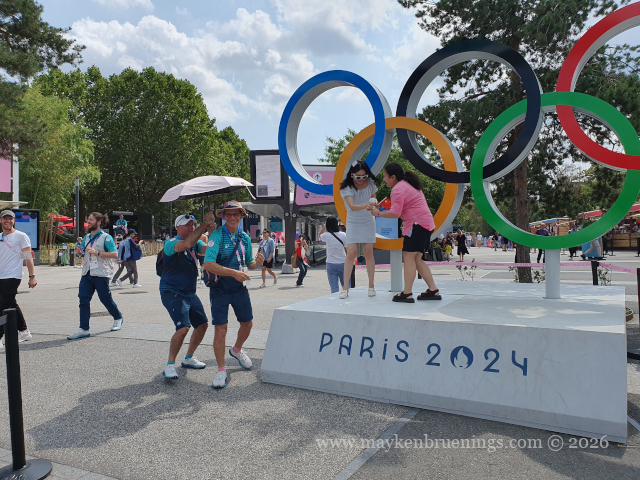
These two volunteers were hilarious!

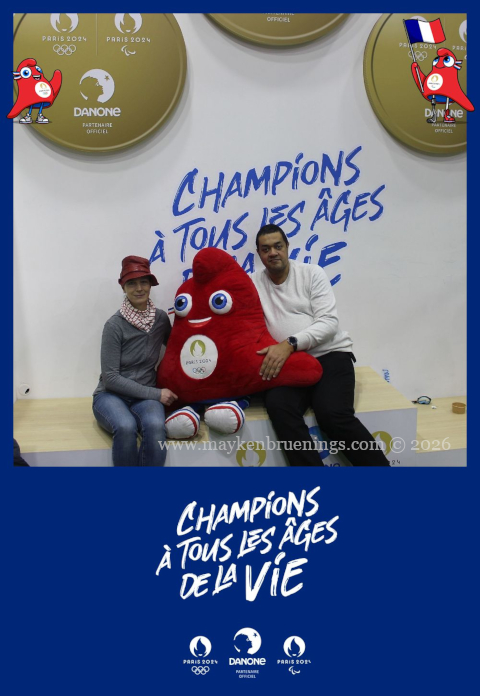
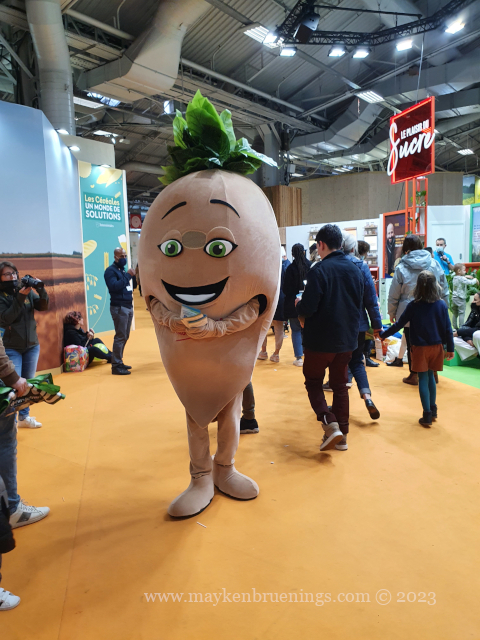
We were all having a good day. And mine got even better when I met Phryge, the Games mascot! Back in February, I was hesitant to embrace a giant plush version for a photo op at a sponsor’s stand at the Agricultural Fair, but here I was hugging and smiling and getting my photo taken.
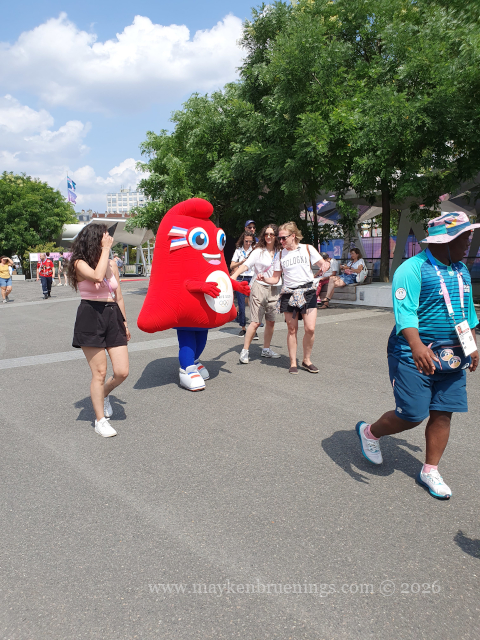
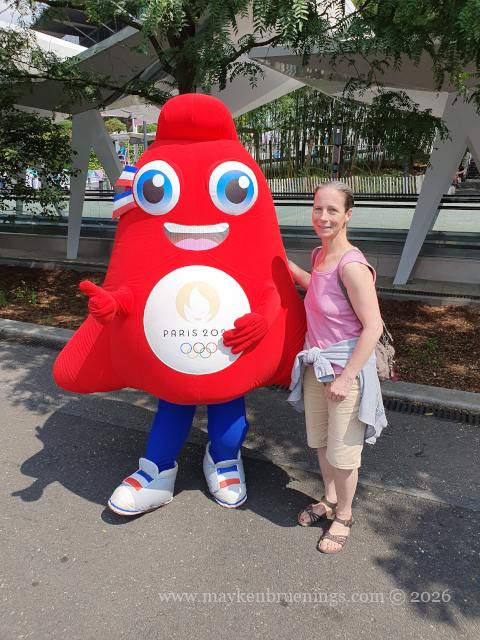
Look, it’s La Phryge!

As we left town for our summer vacation, the second week of the Olympics happened on tv for me. I missed out on cheering the athletes at the Olympic marathon, or the people at the “marathon for all” that followed it; I didn’t see the road cycle race. What I did was stay glued to the screen when Léon Marchand, whose name I’d not heard before, swam to quadruple individual gold, winning two of those in a single day, and topping it off with a team bronze in the relay. How much I wish I’d been able to get tickets for Olympic swimming!
Share this:

Cows cows cows

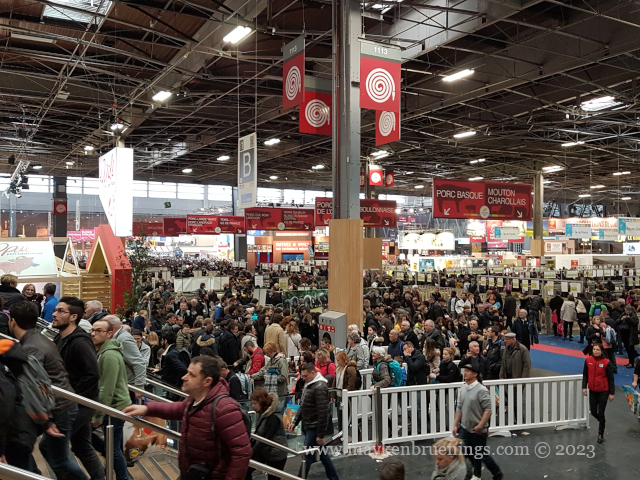
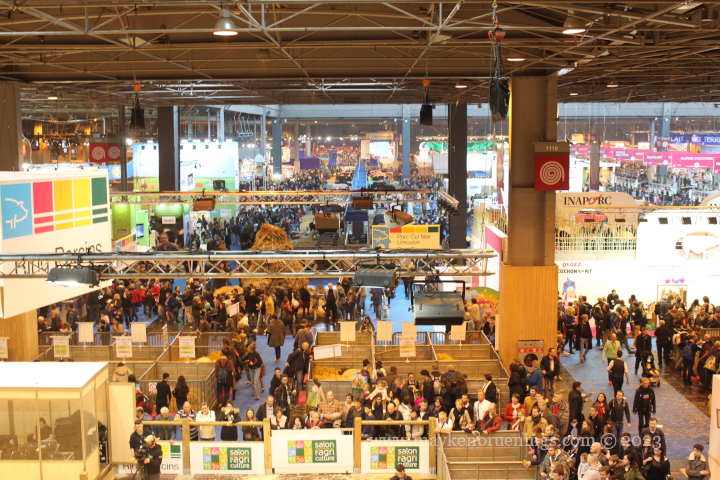
The International Agricultural Show (Salon International de l’Agriculture, or SIA) is a huge annual event, one of the world’s largest and most important, dubbed “the biggest farm in France”.

It lasts nine days at the end of February/beginning of March, and is open to the public for all of those, drawing hundreds of thousands of visitors each year (2019: 672 568 visitors according to the official website, four of which were me).

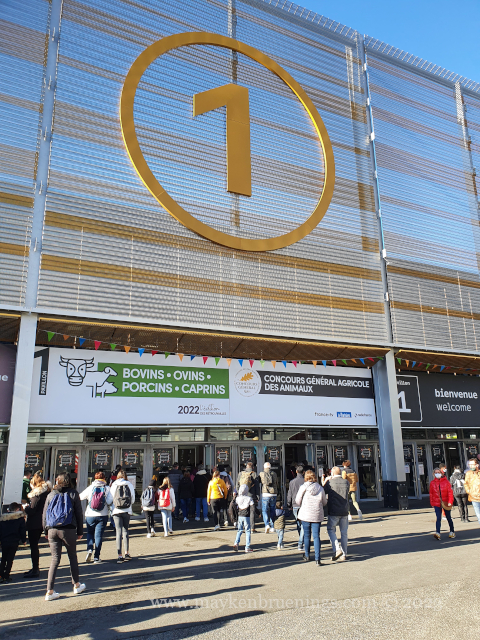
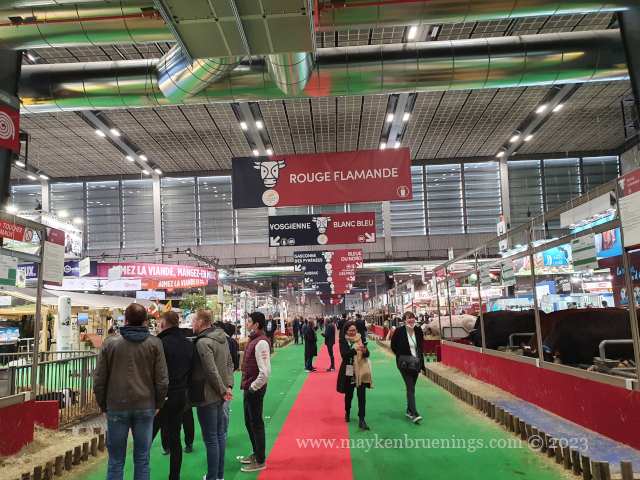
The show is held on the Porte de Versailles fairgrounds, where it occupies most of the halls, only the one where the Concours Général Agricole is held is closed to the public.

Agriculture is written large in France, as one of the main economic activities in the country. “Don’t anger the farmers” is advice any French politician knows well to heed, or face the consequences.

So it is no surprise that the show is opened by the French president himself. Jacques Chirac (president from 1995 to 2007) was a big fan of agriculture, and his memory is honoured today with a collection of photos in the main hall.

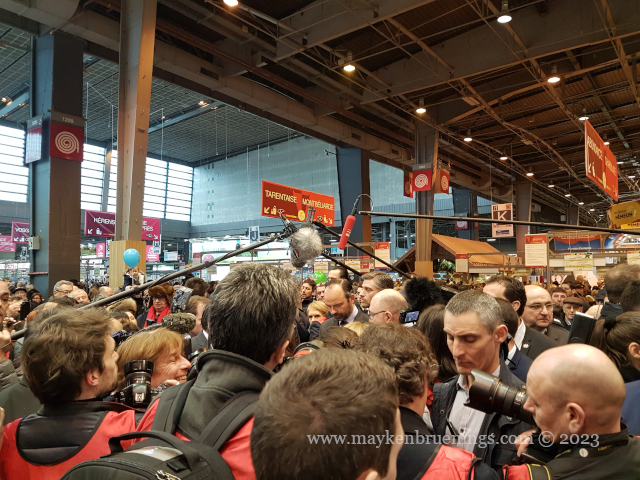
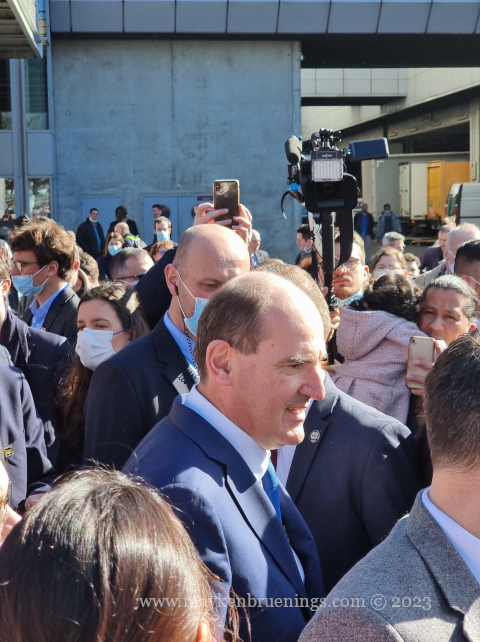
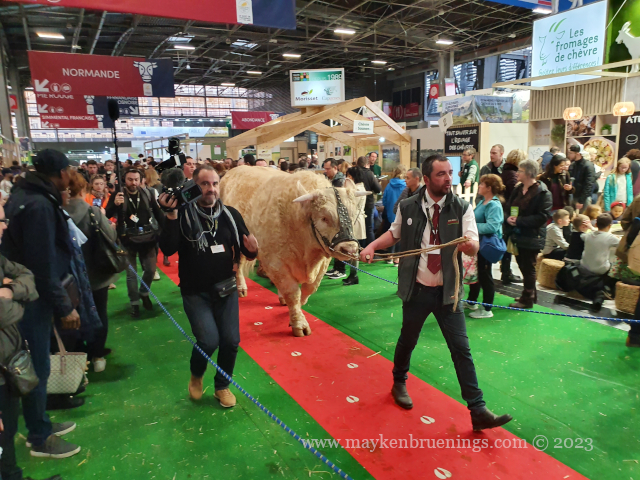
A number of elected officials, and in election years, candidates, parade through the show during the week, and it is not unusual to run into a crowd of journalists and bodyguards around, say, the prime minister.

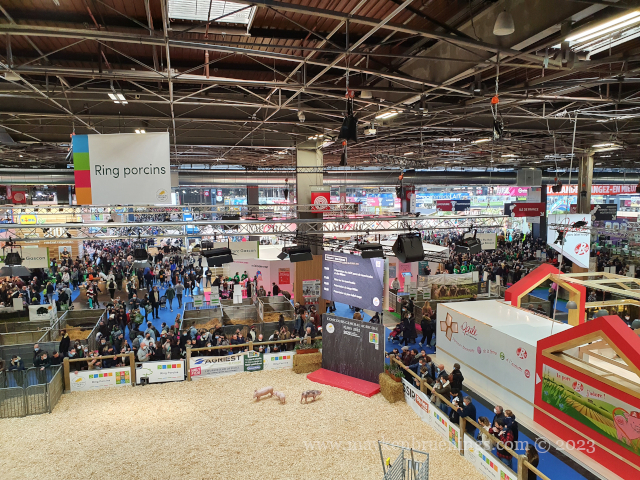
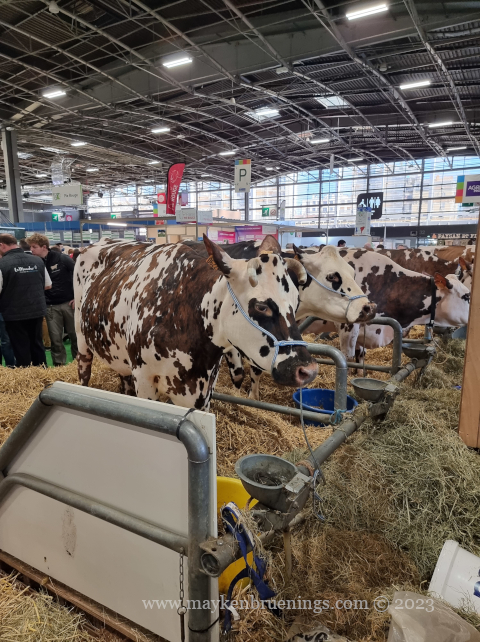
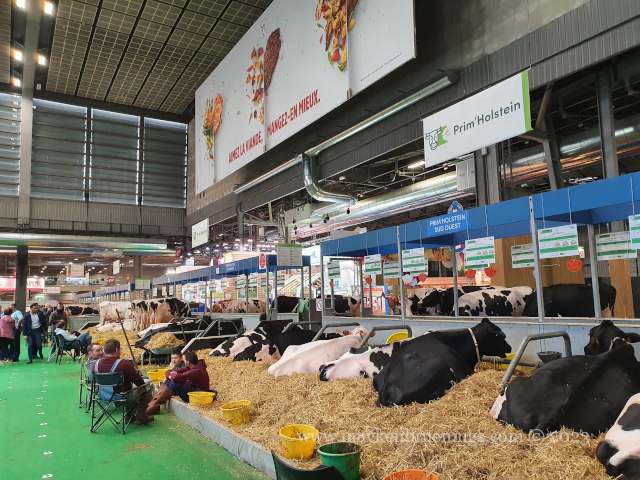
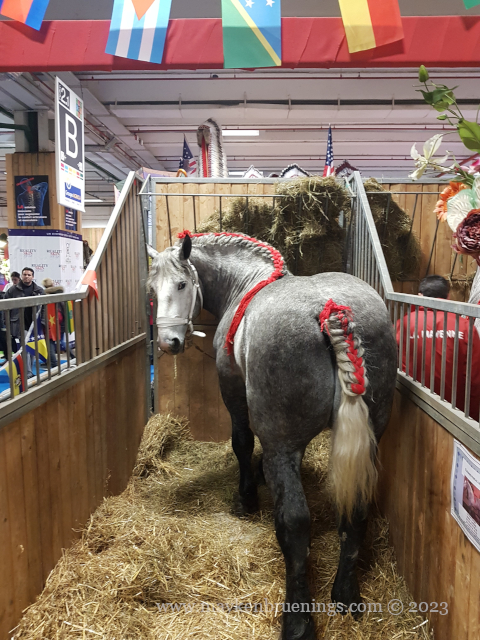
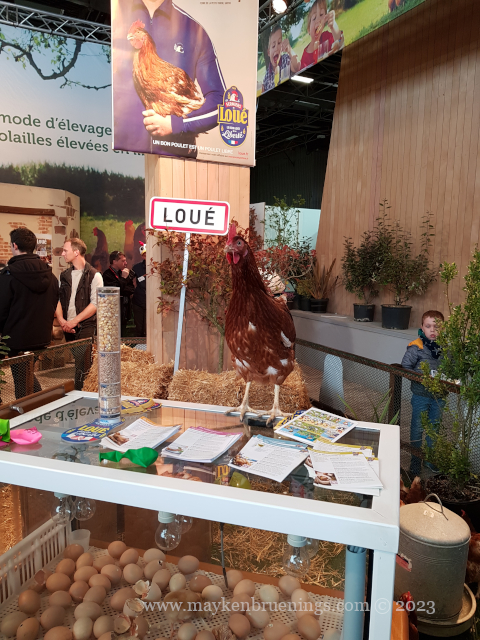
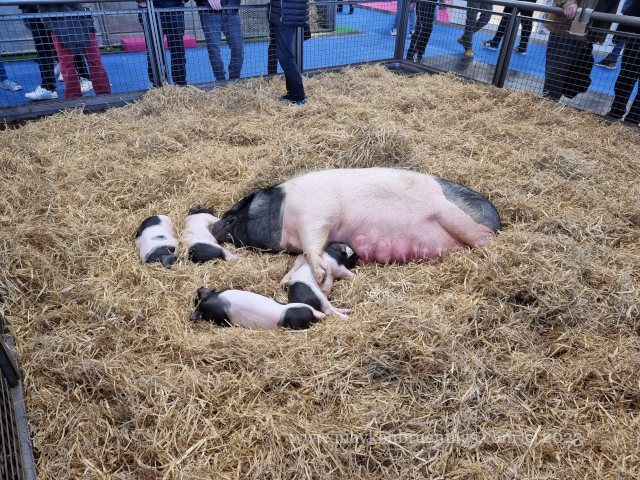
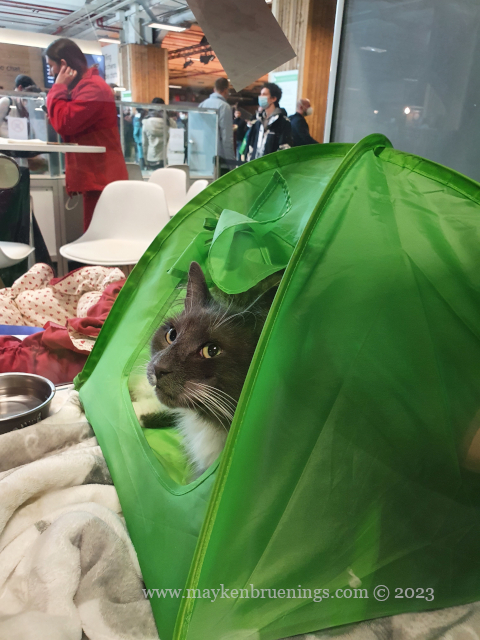
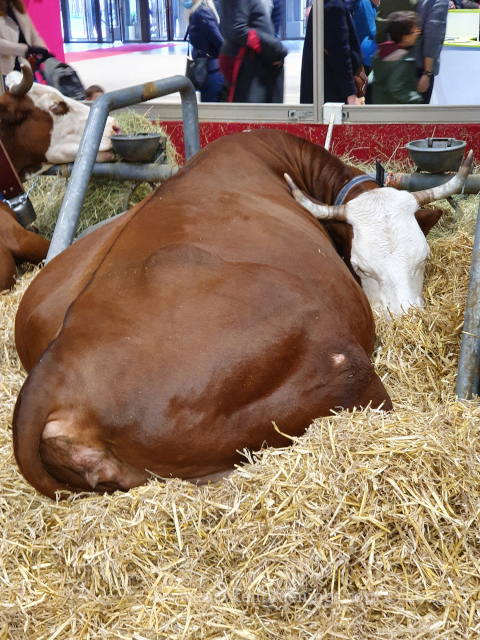
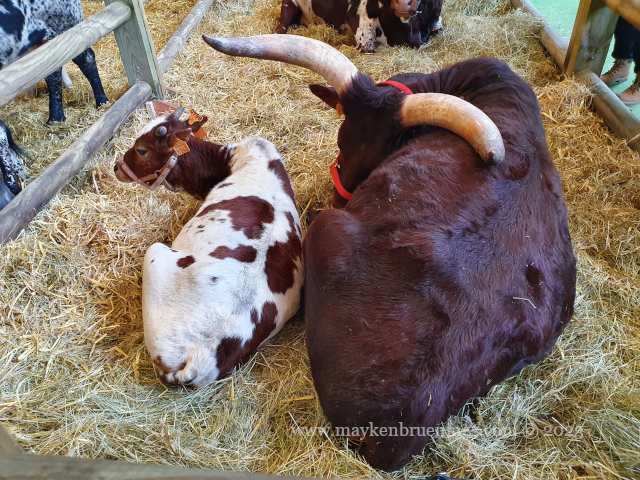
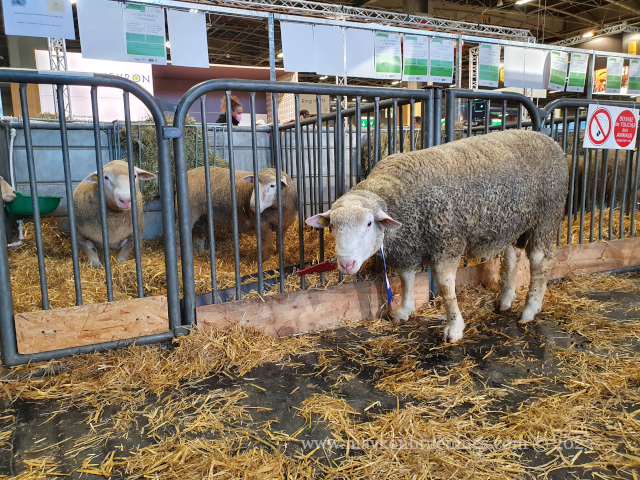
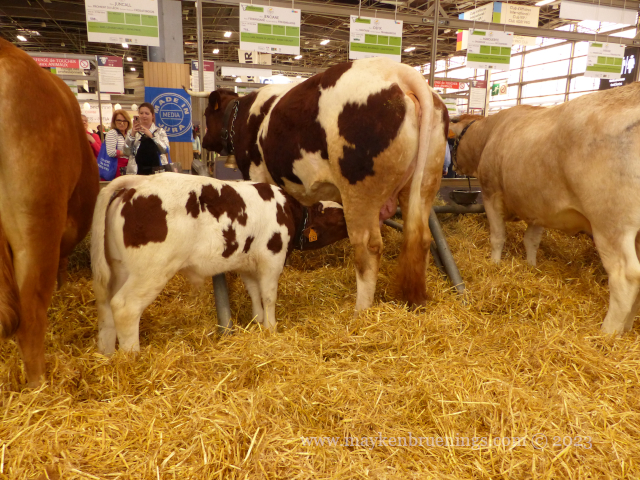
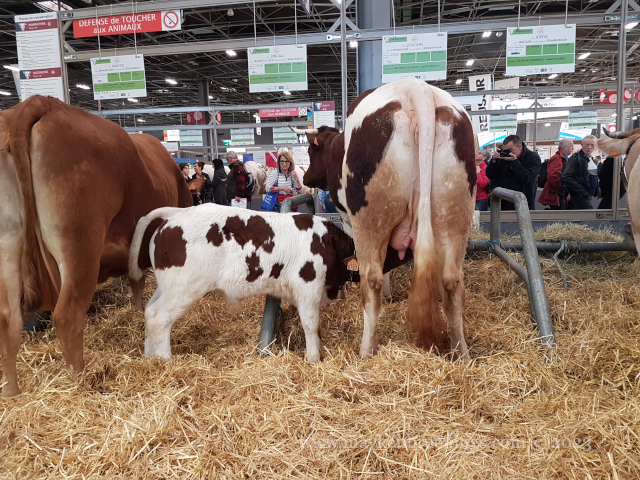
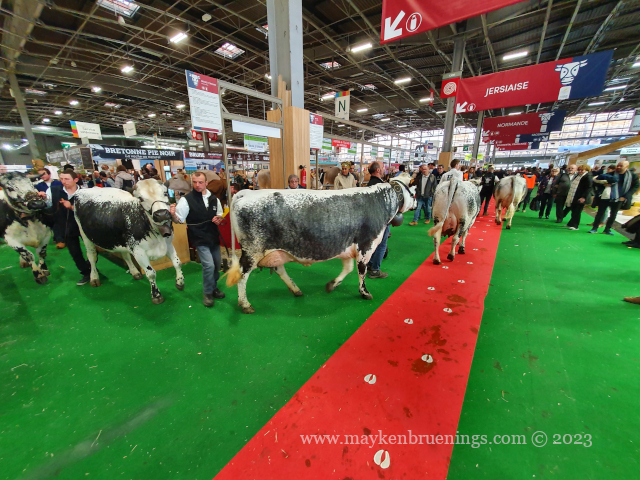
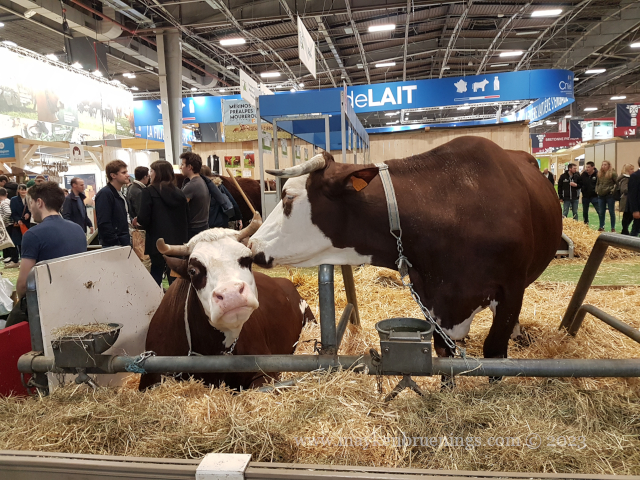
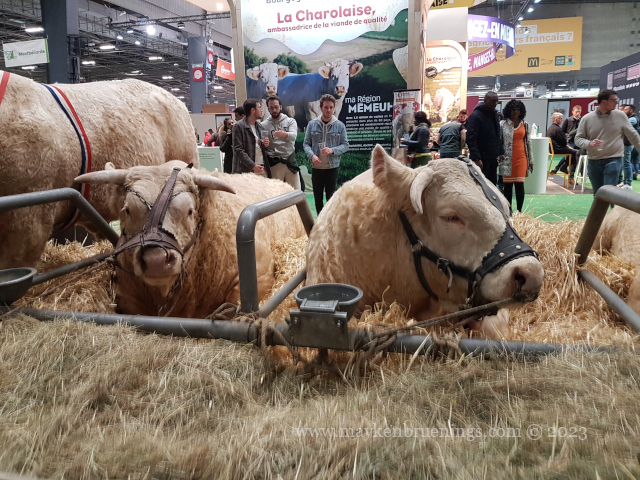
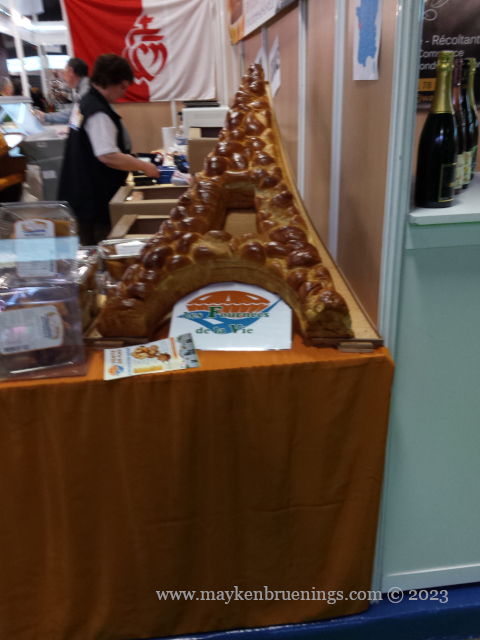
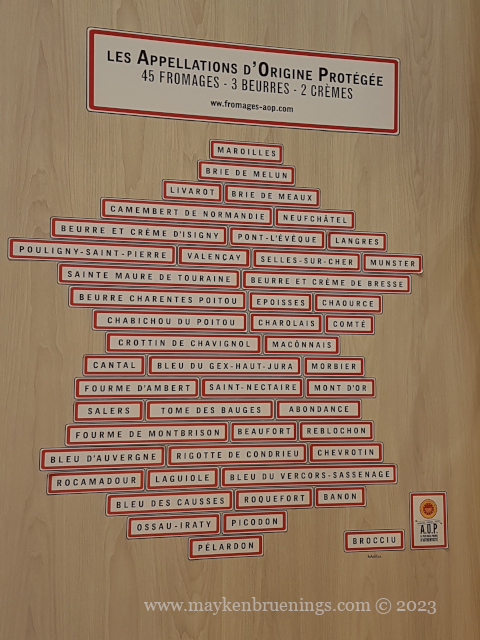
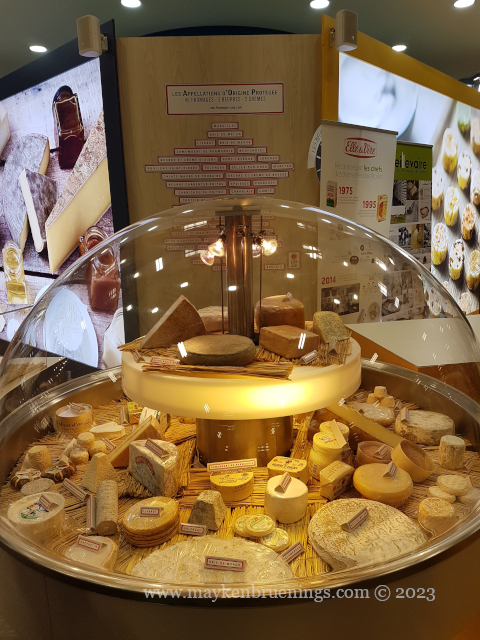
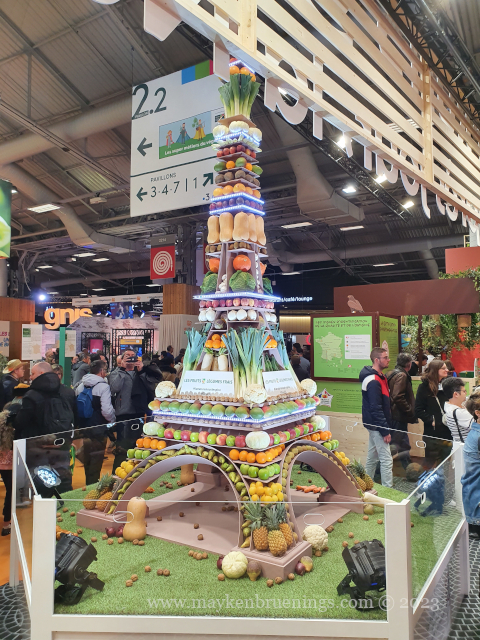
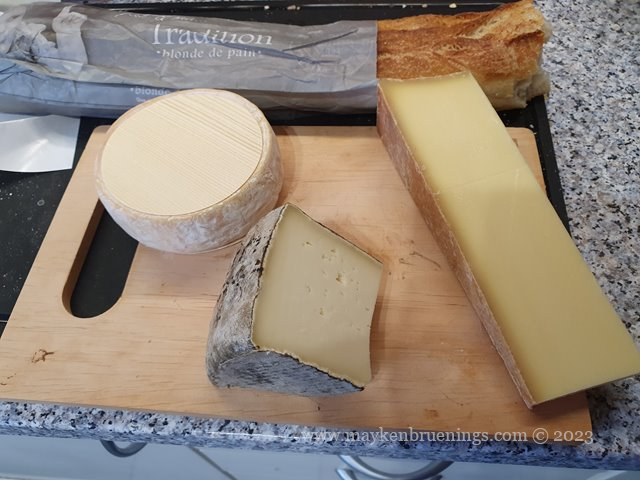
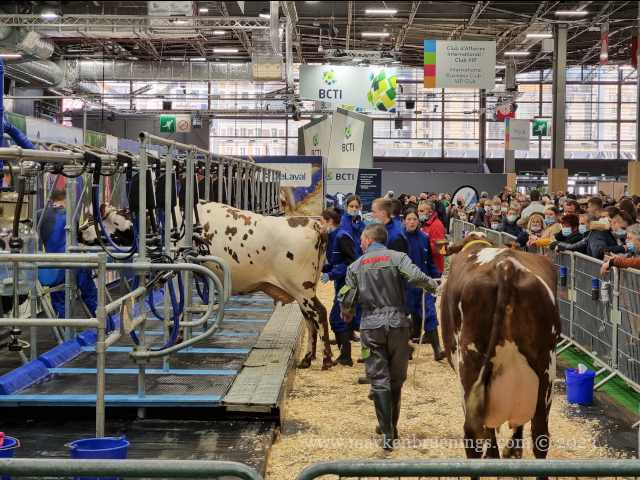
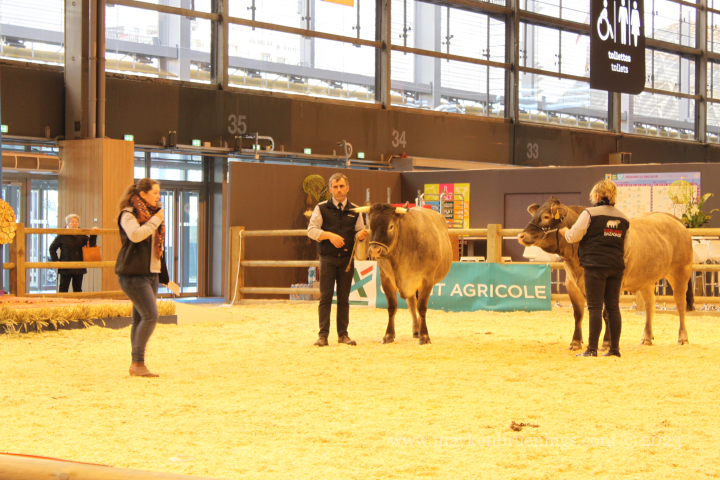
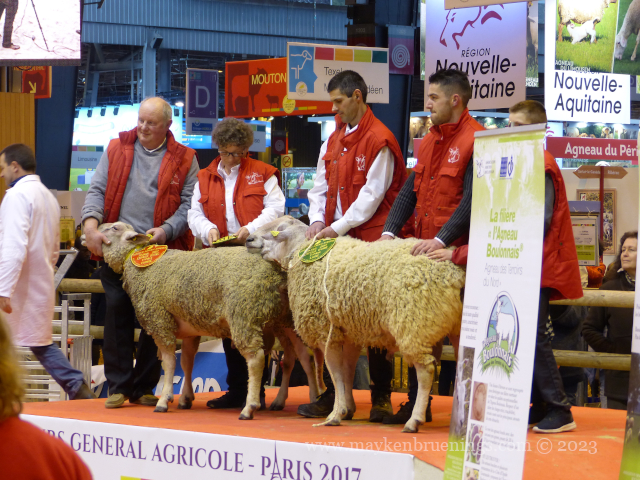
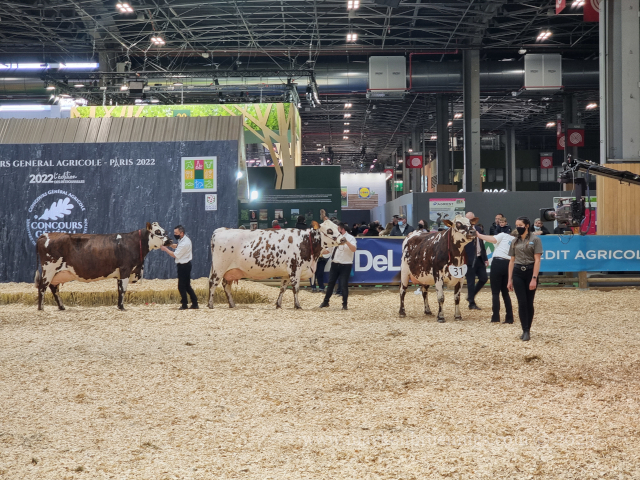
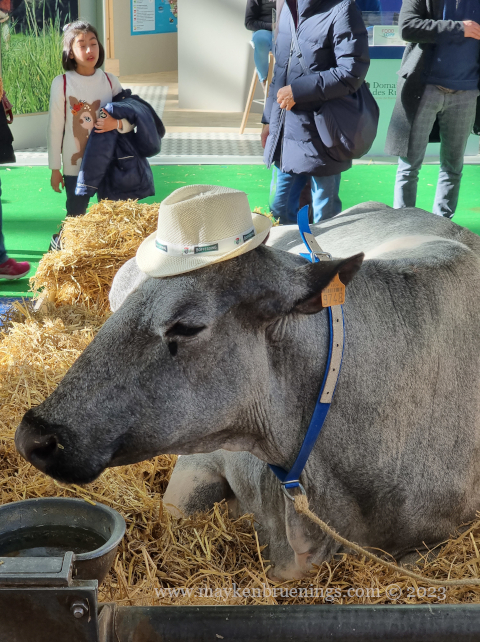
The main attractions of the show, according to who you ask, are either the food (two entire halls are reserved for delicacies from the different regions of France, French overseas territories, and a number of guest countries) or the animals – over 4,000 of them in the 2022 edition, representing 360 different breeds of cows, sheep, goats, horses, ponies, donkeys, bunnies, pigs, dogs, cats, and various poultry.

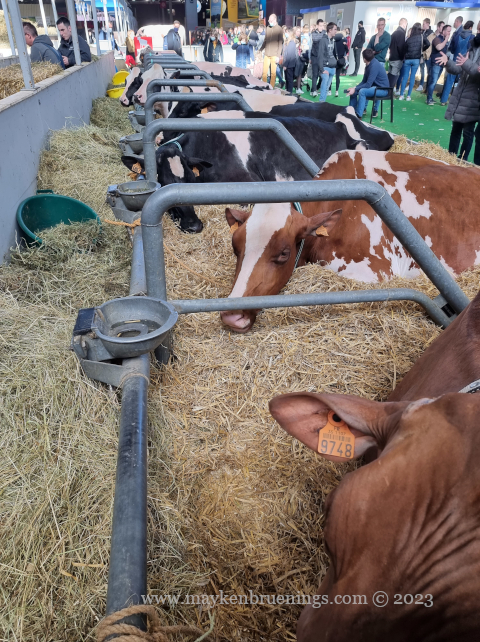
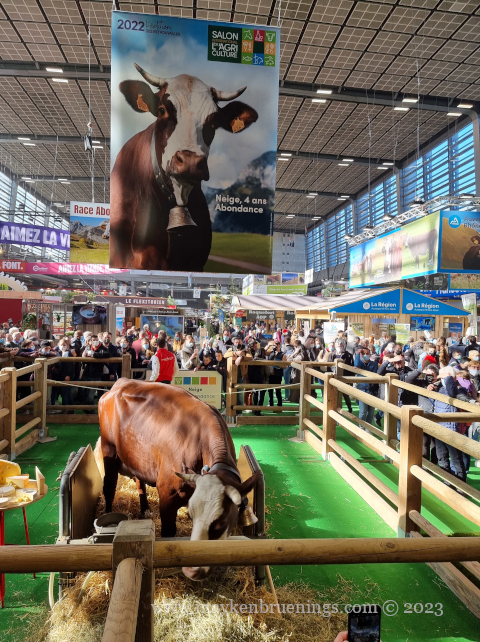
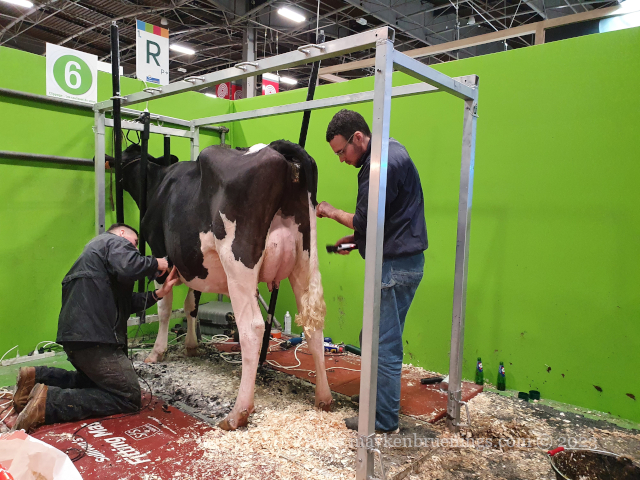
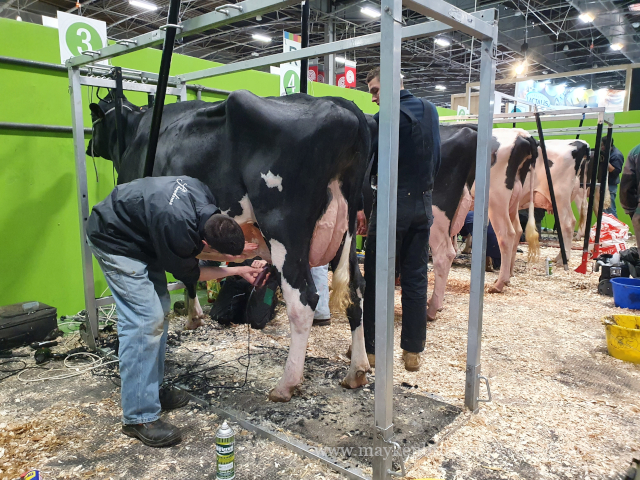
The stars of the show are unquestionably the cows. Since 2000, a cow has featured on the official posters, entry tickets and other promotional material. Every year, one bovine breed is in the spotlight, and for the past few years, an individual cow of that breed occupies the place of honor and becomes the star of the show. The 2022 cow, for example, was a 4-year-old cow of the Abondance breed from the Savoy Alps named Neige (Snow).

But it’s not all about the animals and the food, a major part of the show is also reserved for the presentation of technologies, companies, equipment, research, linked in some way or other to agriculture, from veterinarians to high-tech tractors to hunting outfitters.

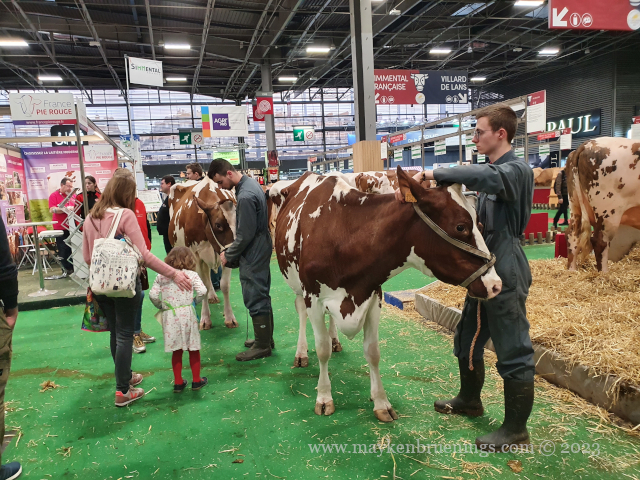
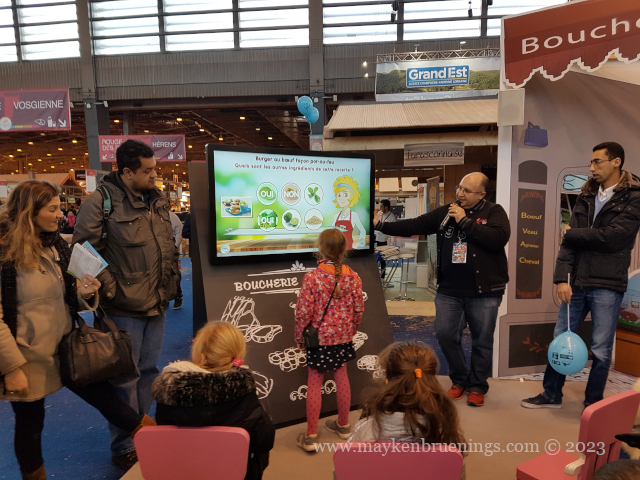
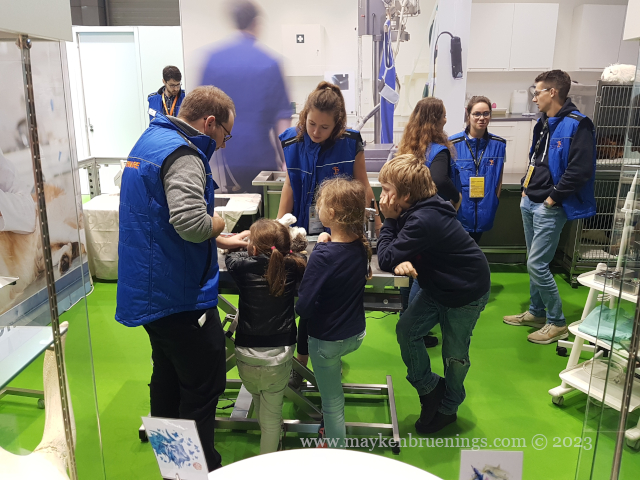
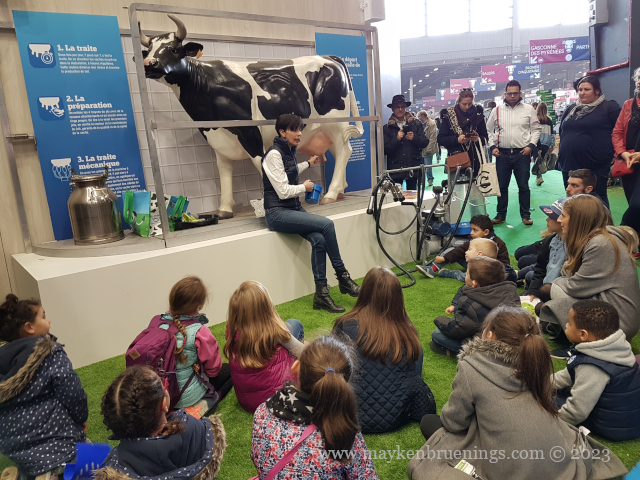
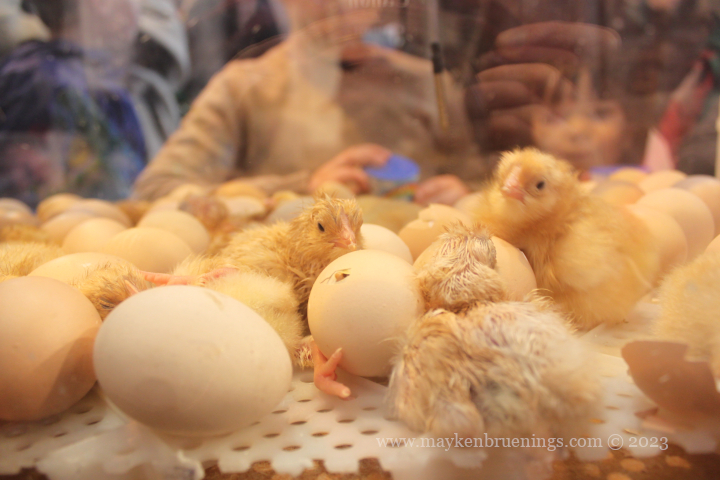
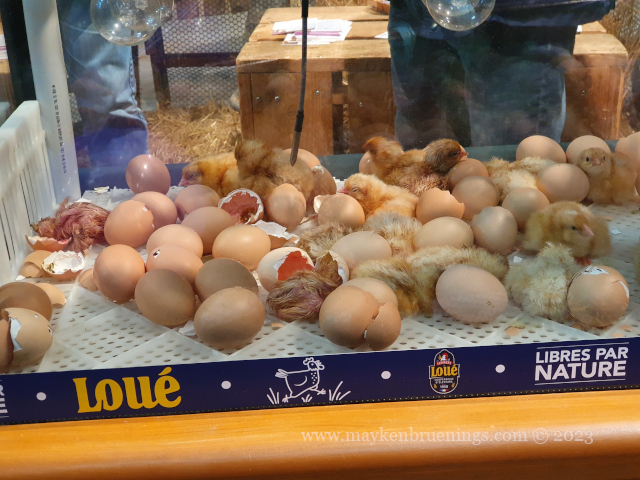
Another important aspect of the show is educating the public. Here kids (and adults) can see up close how cows are milked, chicks hatch, and win prizes in various activities and quizzes.

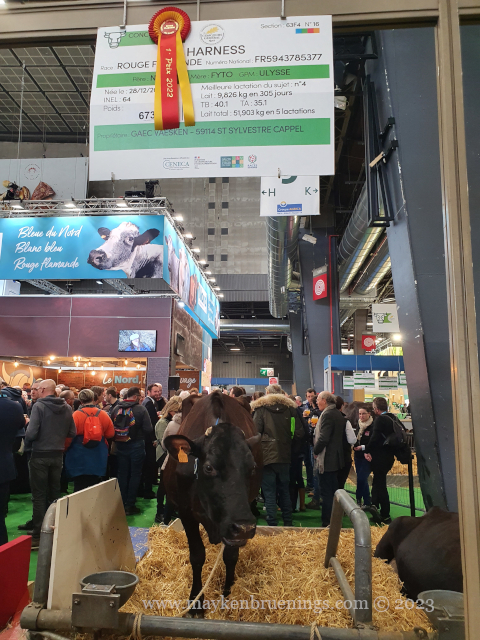
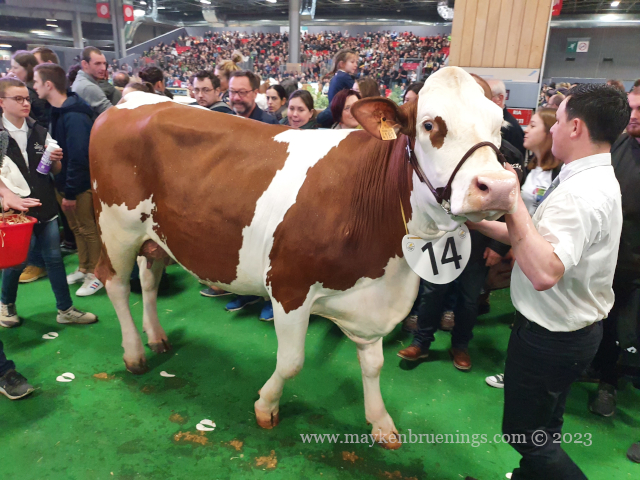
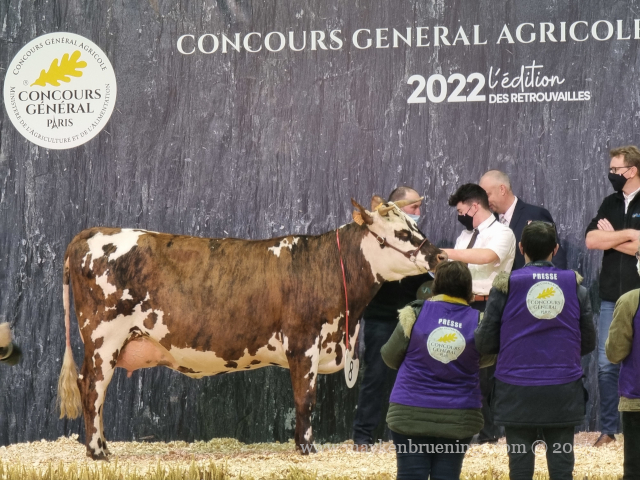
Speaking of prizes, all week long, the different breeds are presented in the ring, and proud farmers return home with medals and plaques. Food also gets prizes, at the prestigious Concours Général Agricole, and the gold, silver, or bronze medal will feature prominently on the products when they hit store shelves.

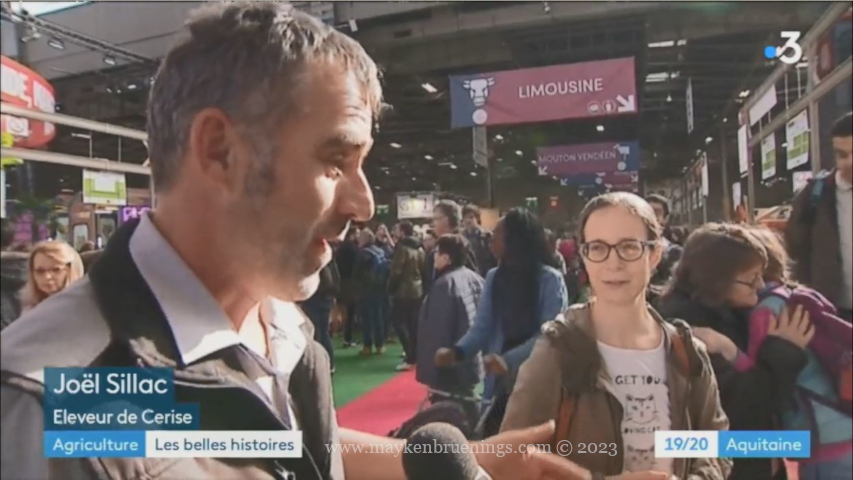
My favorite part? Hugging cows, winning a useful prize (like an eggplant screen wipe or a lunch box) or adding another cow-themed object to my collection. Occasionally I get interviewed for the radio or TV, and I’ve made friends with the owner of the 2016 poster cow Cerise (a Bazadaise from the Landes, in southwestern France).

Share this: