Do you like chestnuts?
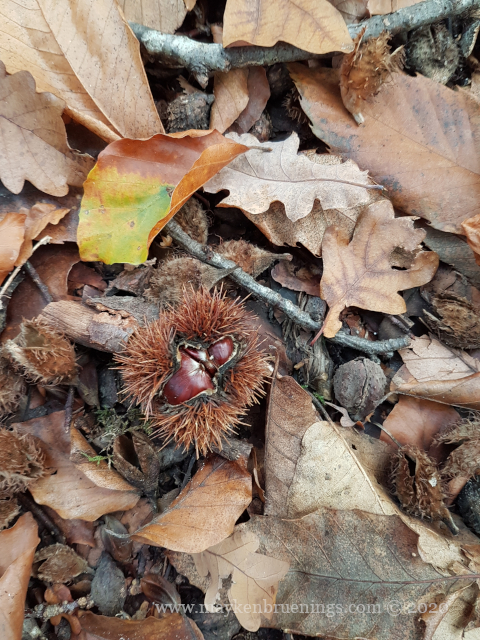
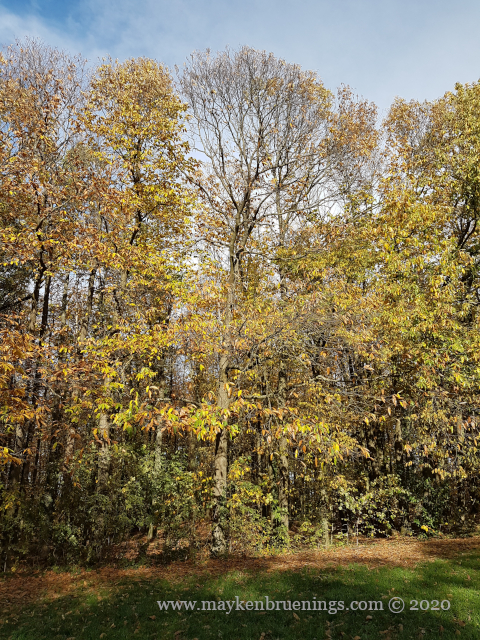
Chestnuts (châtaignes or marrons) are the fruit of the chestnut tree, le châtaignier, which is native to the Mediterranean region but also grows in more northern parts of Europe, including all of France and Germany.
Notably in the regions of the Cévennes and the Limousin in south-central France, chestnuts used to be an important food source, hence the tree’s nickname of arbre à pain, bread tree.
Dried and ground, the chestnuts make for a kind of flour that needs to be mixed with some wheat flour in order to make bread, pancakes, or pastries, which you find mainly in Corsica.
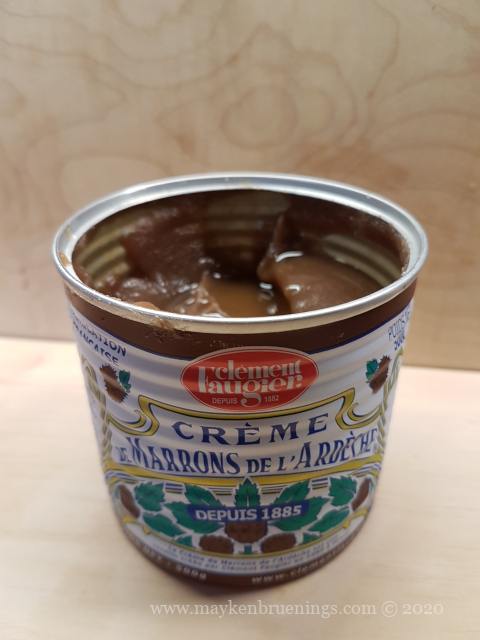
The département of Ardèche (in south-eastern France) is famous for its chestnut specialty crème de marrons, chestnut cream, which you can purchase at any French supermarket in the jam section.
If you are looking for roasted chestnuts from a street vendor, follow their cries of “Chauds les marrons!”
Another French specialty are marrons glacés, candied chestnuts, a popular Christmas sweet.
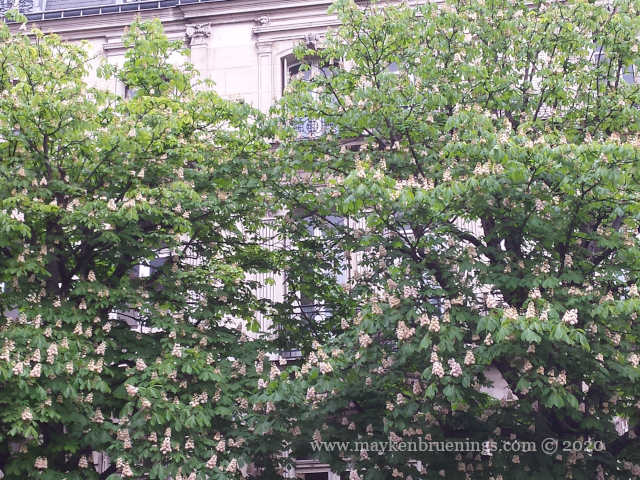
The sweet chestnut is not to be confused with the horse chestnuts, utterly inedible. The horse chestnut tree is the one producing white pyramids of flowers that are called candles in German.
During a recent walk in the woods—I write this as of mid-November—I came across a group of chestnut trees that had the ground littered with chestnuts. Some were still in their burrs, but most lay among the leaves. Picking them up proved more fun than expected, for as soon as I had spotted one chestnut, I suddenly saw them everywhere. Within a few short minutes, I had collected 650g of them.
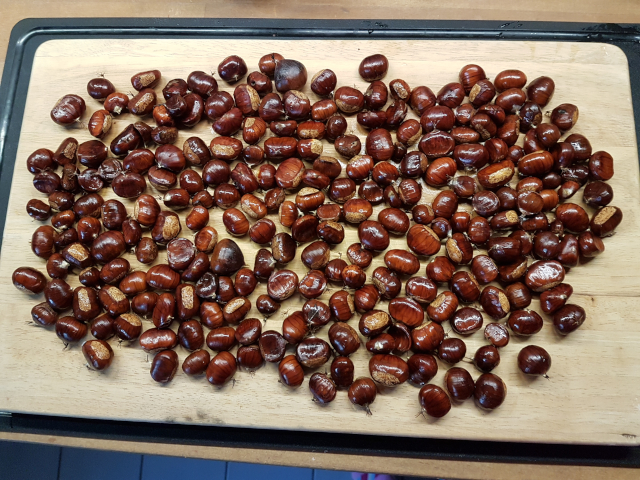
I’d never made roasted chestnuts myself, I usually buy them from a street vendor. But I found a very simple recipe I’d like to share here.
Roasted Chestnuts
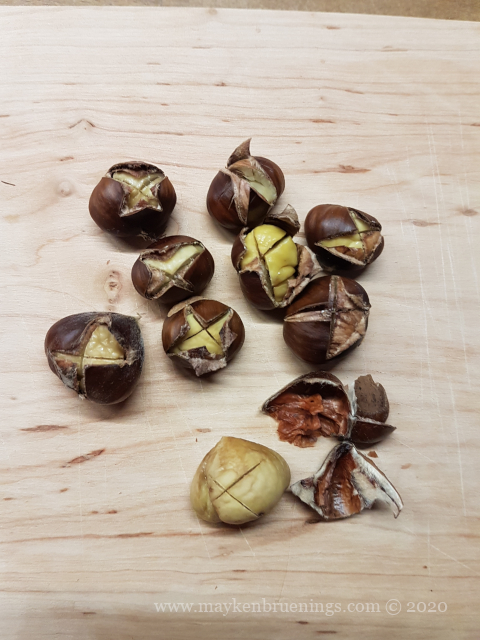
Rinse your chestnuts and let them dry. Then make an X-shaped incision into each.
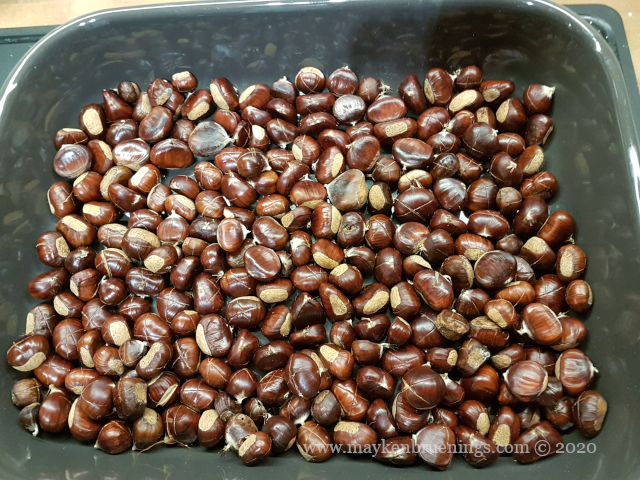
Preheat the oven to 220°C (about 430°F).
Put the chestnuts into the oven on a baking sheet or into a flat oven dish for about 20-25 minutes, until they begin to blacken.
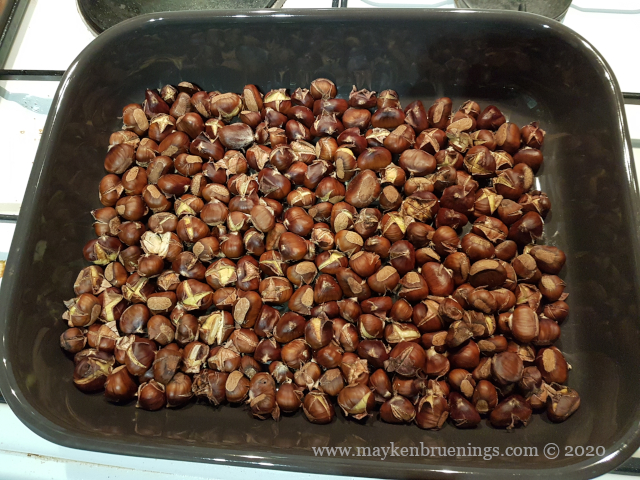
Let them cool down before removing the skin which is not edible (or at least, not very digestible).
Enjoy.