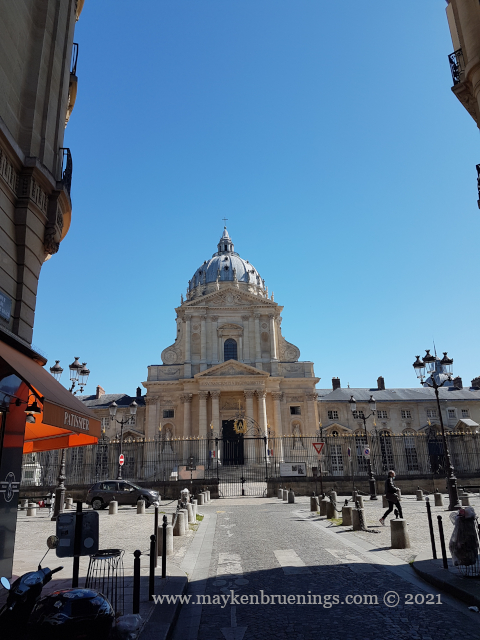
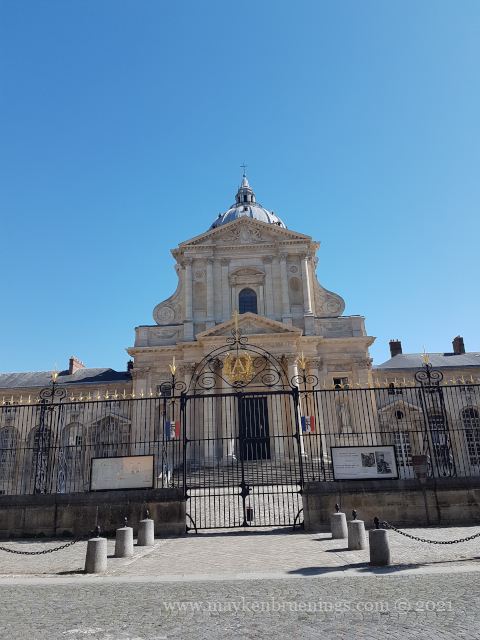
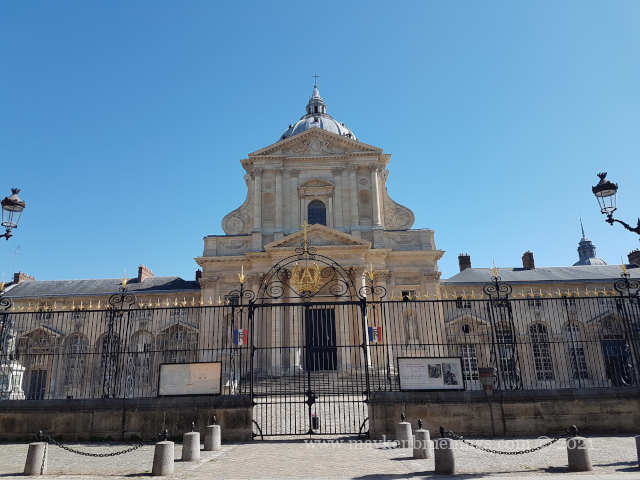
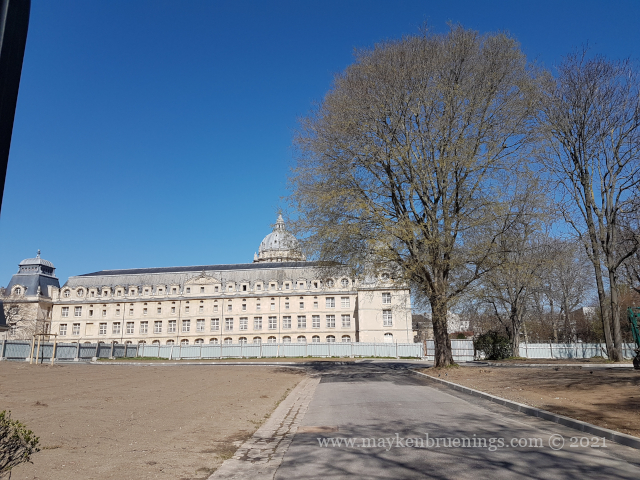
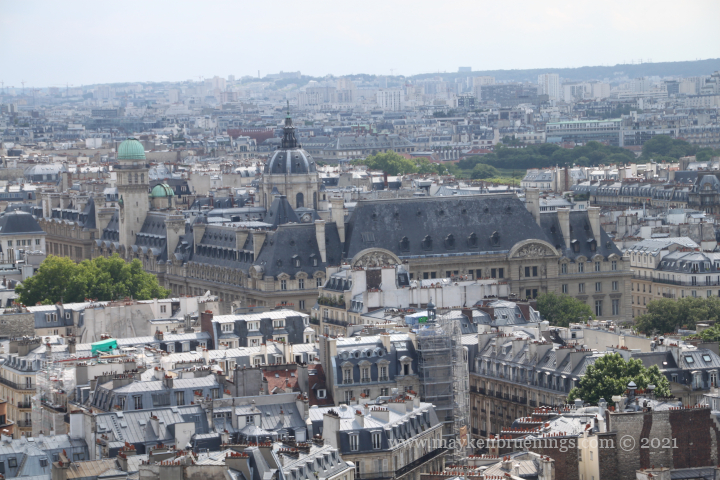
In 1645, seven-year-old Sun King Louis XIV, and his mother, Anne of Austria, laid the first stone of the Val de Grâce church. The queen mother this fulfilled an oath she had made earlier, to thank God for giving her a son.
Up until the French Revolution, the ^Val de Grâce was the church of the Royal Val de Grâce Abbey. It is located on the grounds of the Val de Grâce hospital. Thanks to the Benedictine nuns providing medical care to injured revolutionaries, the church was spared much of the desecration and vandalism churches such as Notre Dame and Saint Eustace suffered during the French Revolution. Still, it became a military teaching hospital in 1796.
It remained a military hospital until 2016 and treated normal patients as well as the French presidents Jacques Chirac and Nicolas Sarkozy during their respective mandates.
Today, only the training, research and museum activities remain on site. In 2020, the French president Emmanuel Macron announced it would house three new research institutes, a campus to be completed by 2028.
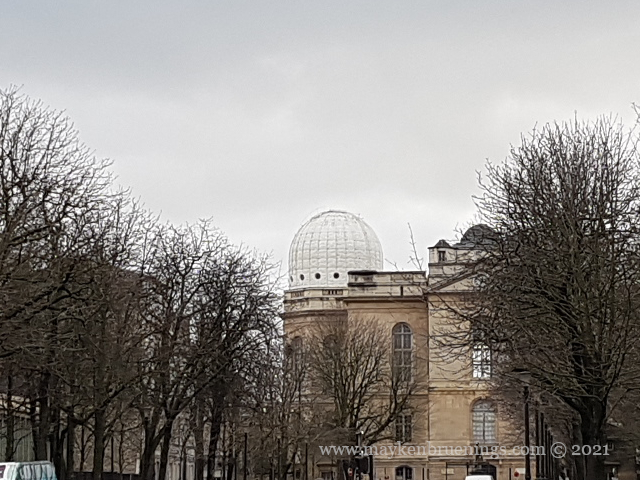
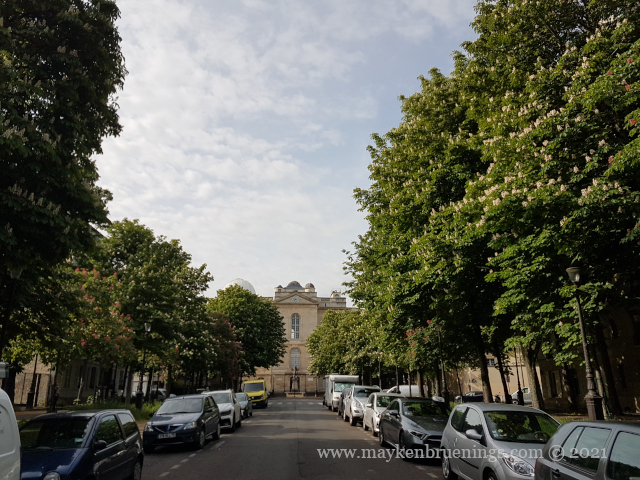
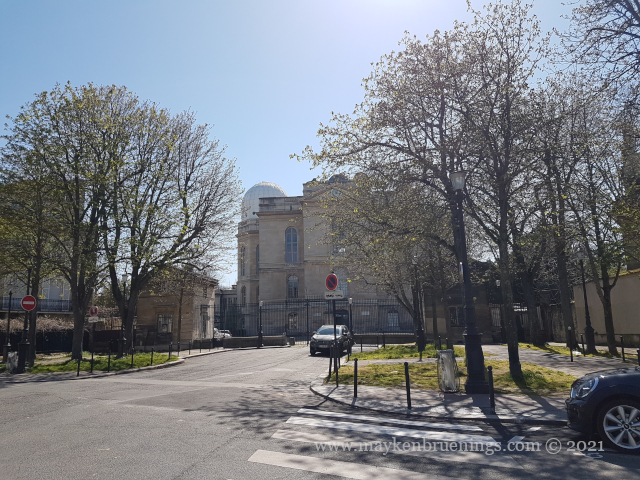
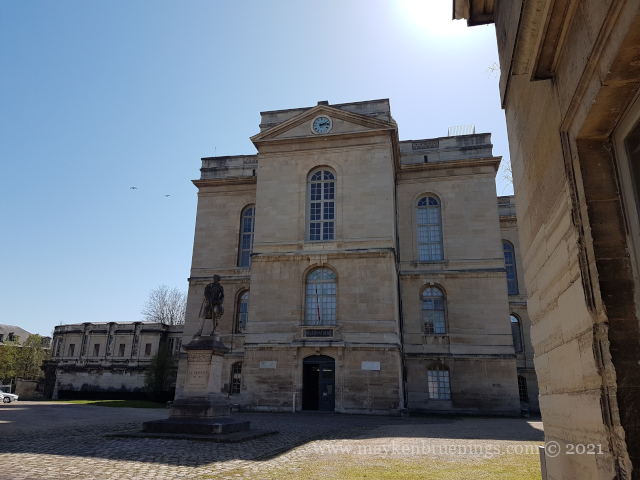
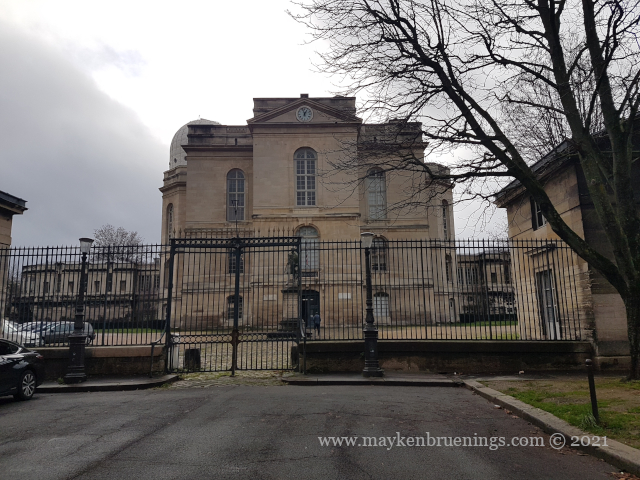
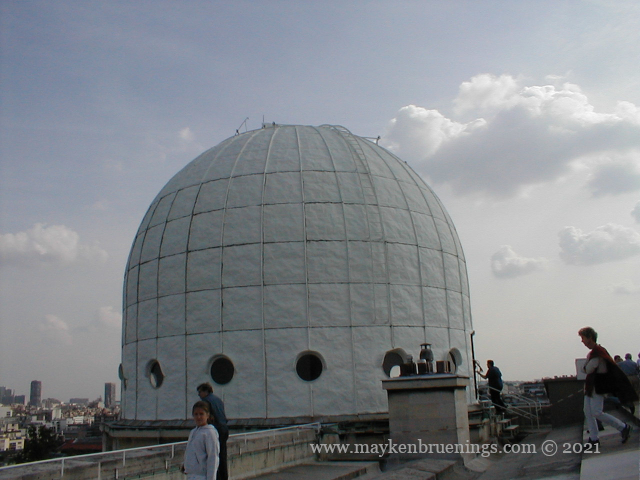
The Paris Observatory was founded in 1667 under Sun King Louis XIV and is the oldest observatory in the world still in operation.
It was to be situated on the Paris Meridian (today at 2°20′ East), which was for a long time in competition with the Greenwich meridian. On Solstice Day 1667, mathematicians traced the lines on the ground where the observatory was to be built. The Paris meridian bisected the site. Today, it is traced on the ground inside the observatory, and the Avenue de l’Observatoire runs along its axis.
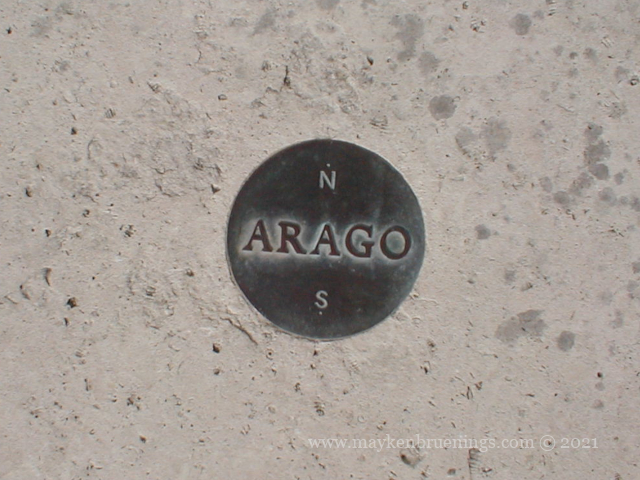
The Paris Meridian can also be traced in the city of Paris by the Arago medallions. 135 originally, some of them have disappeared since 1994. They are named after François Arago, director of the Observatory in the 19th century.
The first directors of the Observatory were four generations of Cassinis: Giovanni Domenico Cassini, Jacques Cassini, César François Cassini de Thury and Jean Dominique Comte de Cassini. They held the office until the French Revolution.
The copula of the observatory houses the Arago telescope. Completed in 1854, it was the biggest of its time, and remained in use for over a hundred years. In the 1880, it conducted photometry measurements of Jupiter’s moons (only four were known at the time, though).
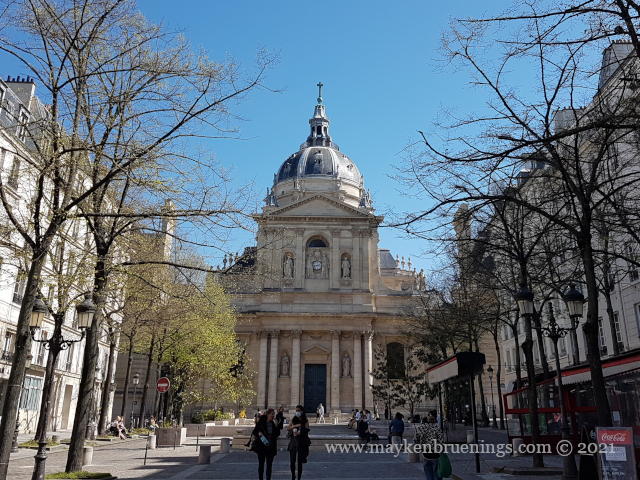
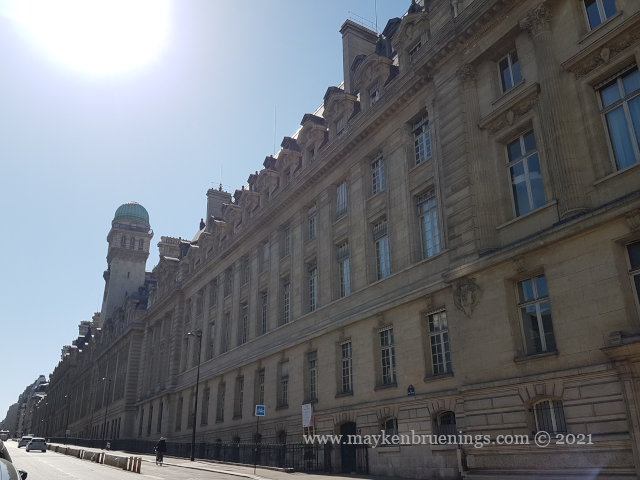
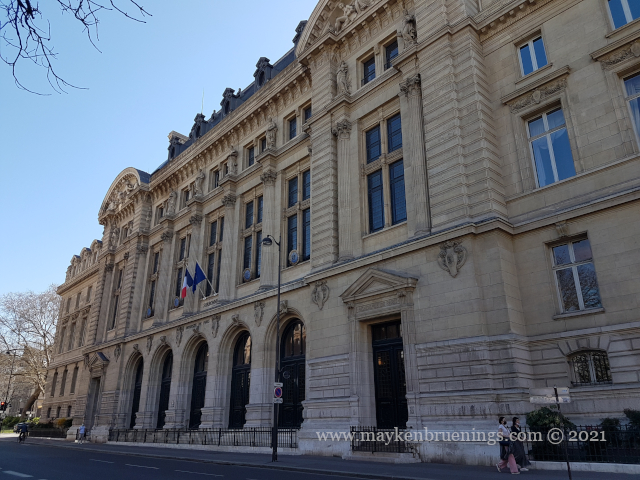
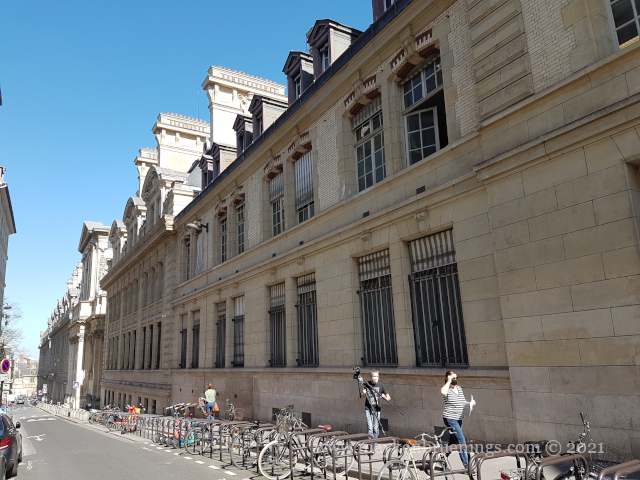
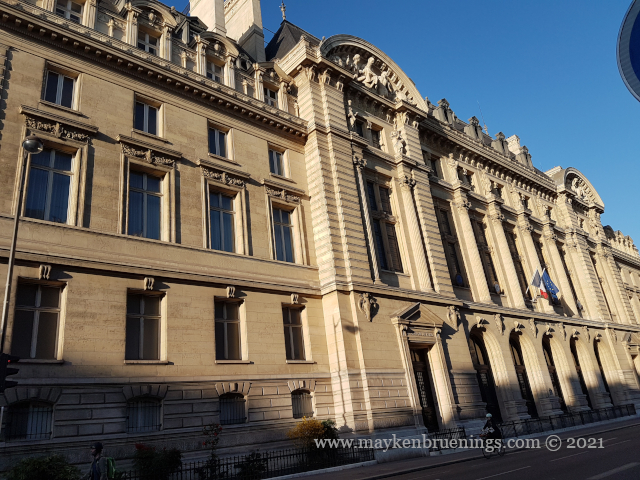
The Sorbonne is a building in the 5tharrondissement in the Latin Quarter. It is named after 13th-century theologist Robert de Sorbon, founder of the Sorbonne College of the Université de Paris, college of theology. The term Sorbonne is also used as metonym for the former Université de Paris (1200-1793 and 1896-1971).
The Baroque façade belongs to the Saint Ursula chapel, completed in 1642. Following the law of the separation between Church and State, it was deconsecrated and is now used for receptions and exhibitions. It was at the Sorbonne that Pierre de Coubertin founded the International Olympic Committee in 1894.
Today, the Sorbonne is the seat of the Paris Board of Education. It also houses part of the activities of the universities Paris 1 Panthéon-Sorbonne, Paris 3 Sorbonne Nouvelle and Sorbonne Université. The Sorbonne University Library serves all these universities and the Université de Paris.
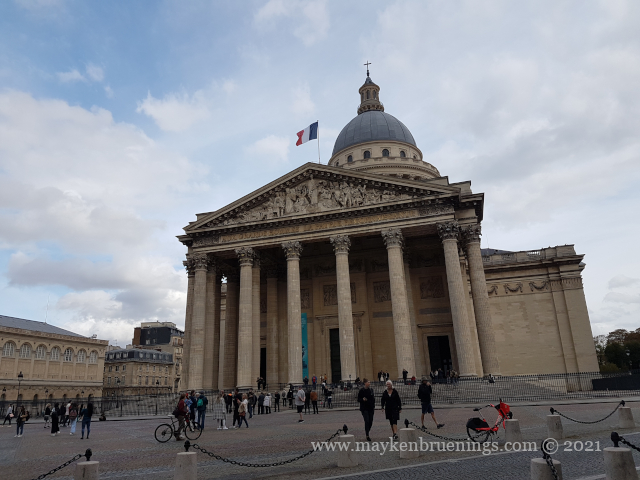
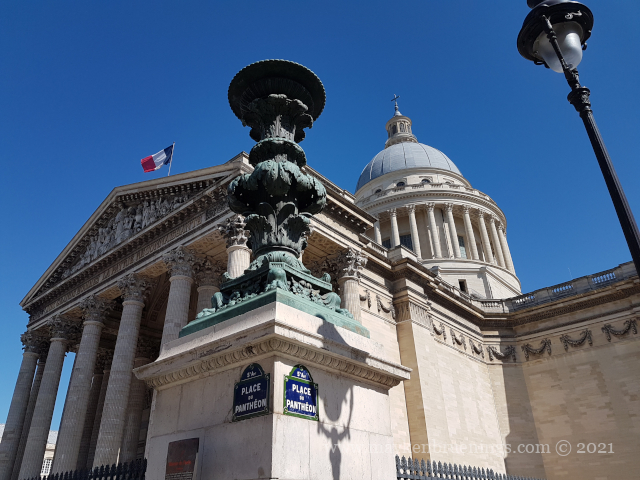
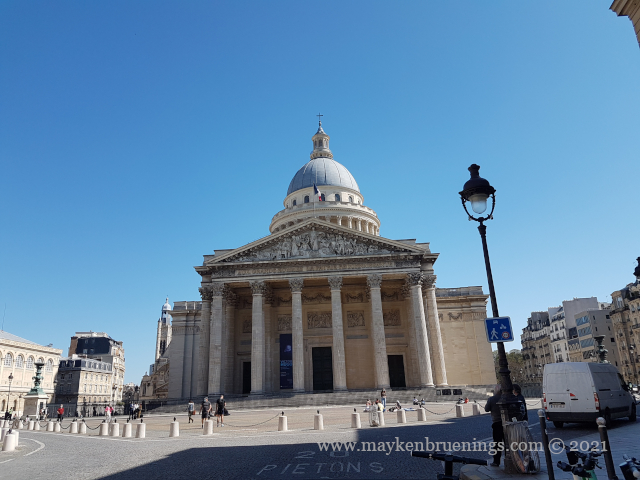
The Pantheon is located on the Sainte Geneviève mountain in the heart of the Latin Quarter. Built in the 18th century, it was originally meant to accommodate relics of Sainte Geneviéve, the patron saint of Paris, but since the French Revolution, it honors distinguished French citizens, as the inscription on the front says:
AUX GRANDS HOMMES LA PATRIE RECONNAISSANTE To the great men, from a grateful nation
When the remains of a distinguished person are transferred to the Panthéon, they obtain a almost mythical status. Only very few panthéonisés have been directly buried there, such as Victor Hugo. The “grands hommes” are still in a large majority men, the first woman was the wife of a grand homme whose family only agreed to the transfer if his wife’s remains could accompany his. The first woman to accede to Pantheéon status on her own merits was Marie Curie. Only three more women have followed her since, two Résistantes, and more recently, Simone Veil.
How do you become a grand homme? Only the national assembly can propose new candidates for the Panthéon, the final decision is made by the president.
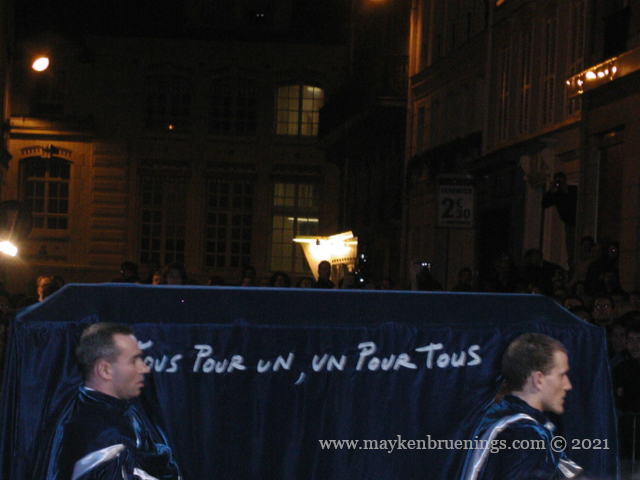
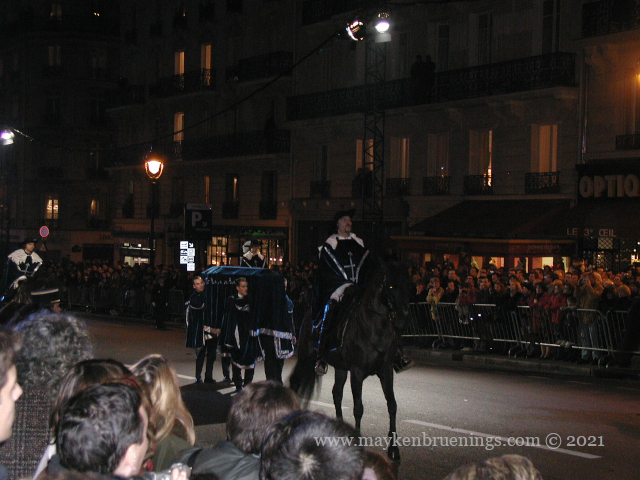
On November 30, 2002, Alexandre Dumas, author of The Three Musketeers, was transferred to the Panthéon.
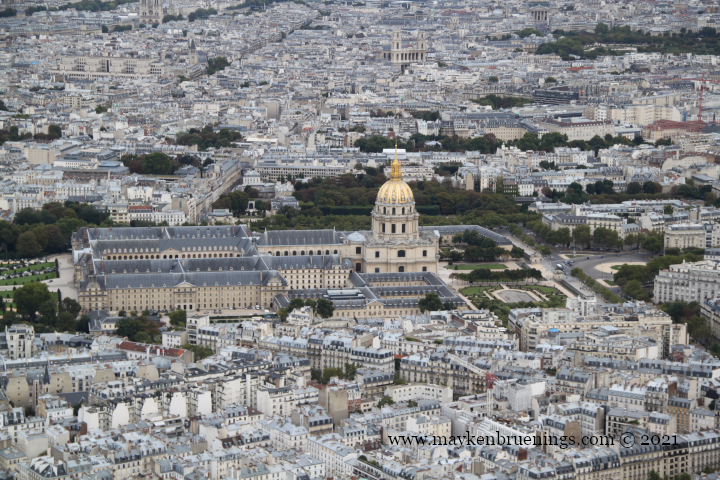
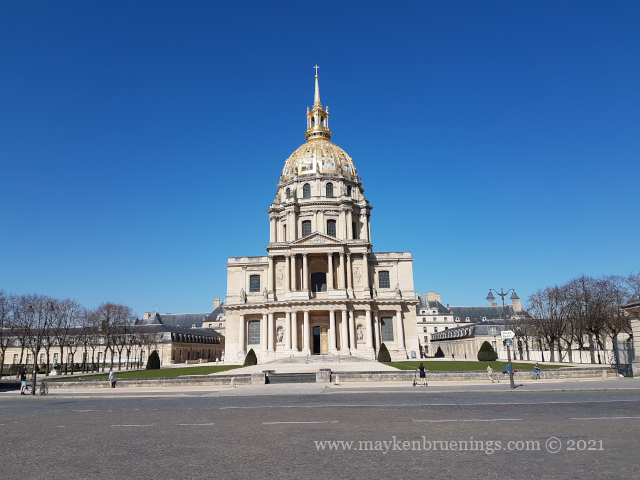
The Hôtel des Invalides (remember: not every hôtel is a hotel) is a building complex built on the orders of the Sun King Louis XIV for the invalids of his armies. Today it is still true to its initial purpose, but in addition to a retirement home for war veterans, it houses the Army Museum, the military models museum Musée des Plans-Reliefs, the Museum of contemporary history, two churches (at the time one was for the soldiers, one for the royal family) as well as the tombs of several French war heroes. And of course, the tomb of Napoléon Bonaparte who died 200 years ago this year in exile.
The Dôme des Invalides can’t be mistaken for another one – it is covered in 12kg of gold that glitters in the sunlight.
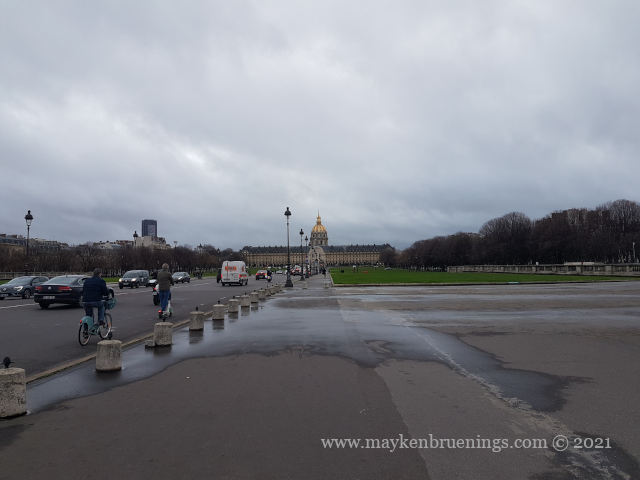
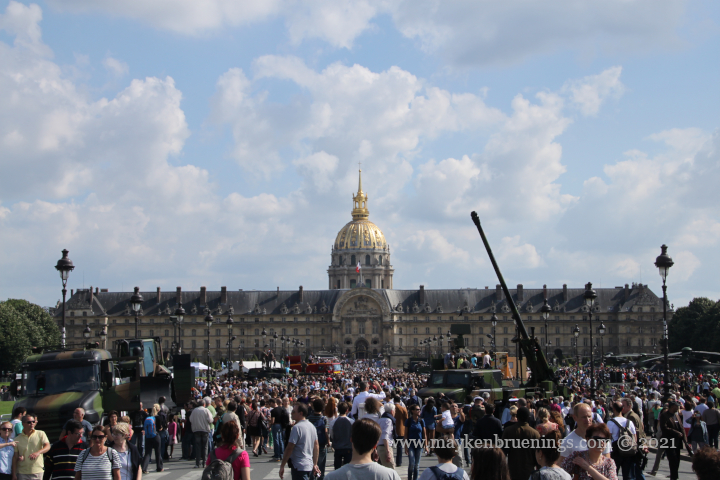
The Esplanade des Invalides on an ordinary day and on Bastille Day (July 14)
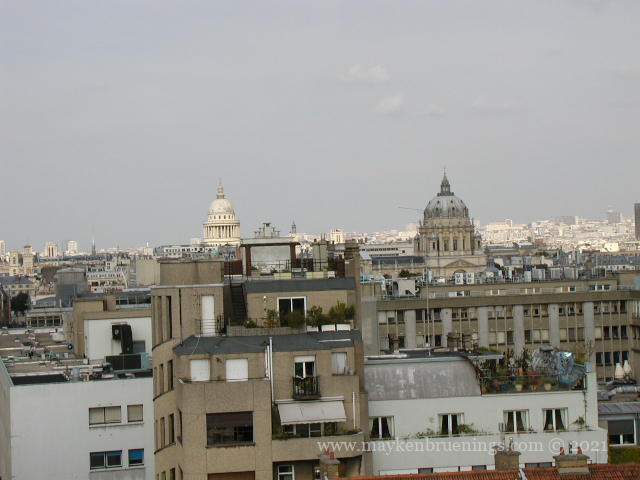
There are a number of cupolas in the Paris skyline. In this new series, Cupolas of Paris, we will have a look at the most prominent ones and what is hidden below them:
The Dôme des Invalides – 7tharrondissement – built under Sun King Louis XIV in the 17th century
The Panthéon – 5tharrondissement – built in the 18th century
The Sorbonne – 5tharrondissement – built in the 17th century
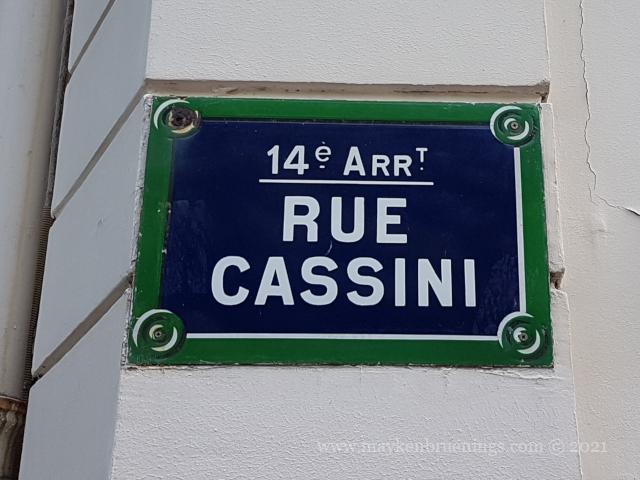
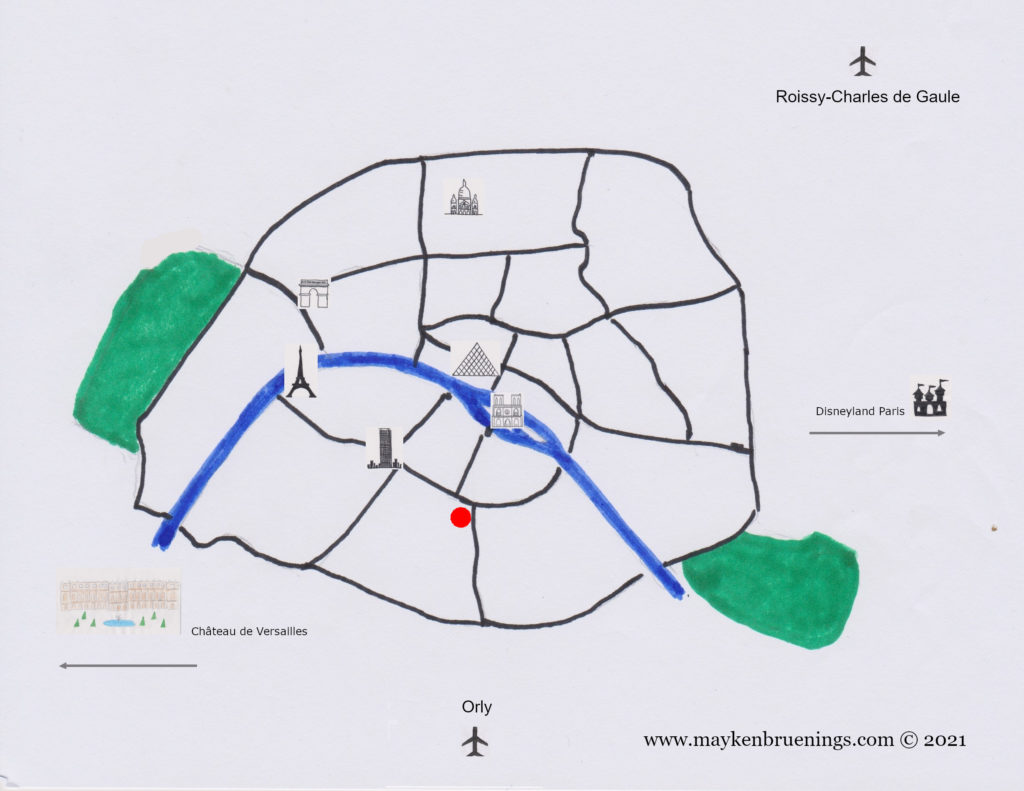
The Observatory – 14tharrondissement – built under Sun King Louis XIV in the 17th century
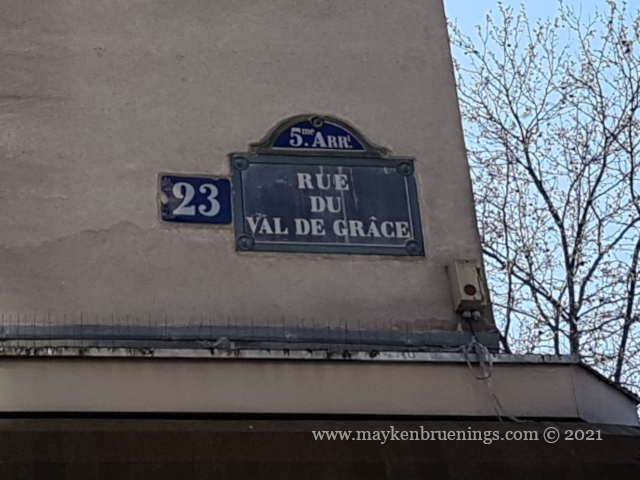
The Val de Grâce – 5tharrondissement – built under Sun King Louis XIV in the 17th century
The Institut de France – 6tharrondissement – built under Sun King Louis XIV in the 17th century
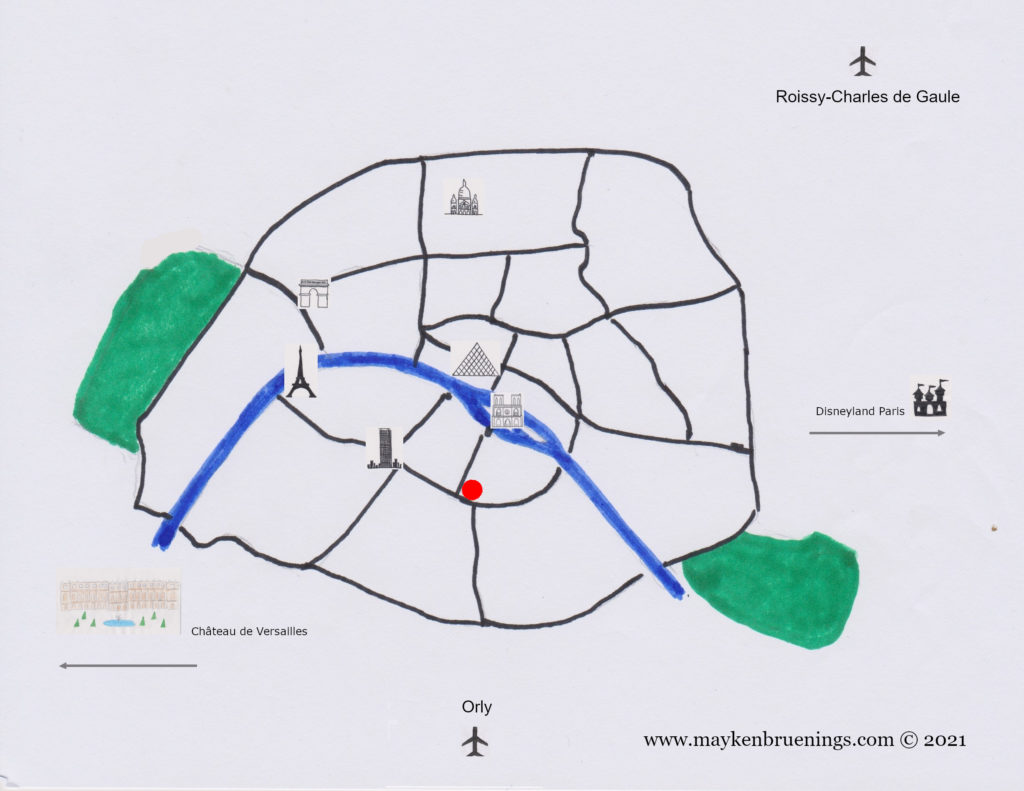
1 Invalides – 2 Panthéon – 3 Sorbonne – 4 Observatory – 5 Val de Grâce – 6 Institut de France
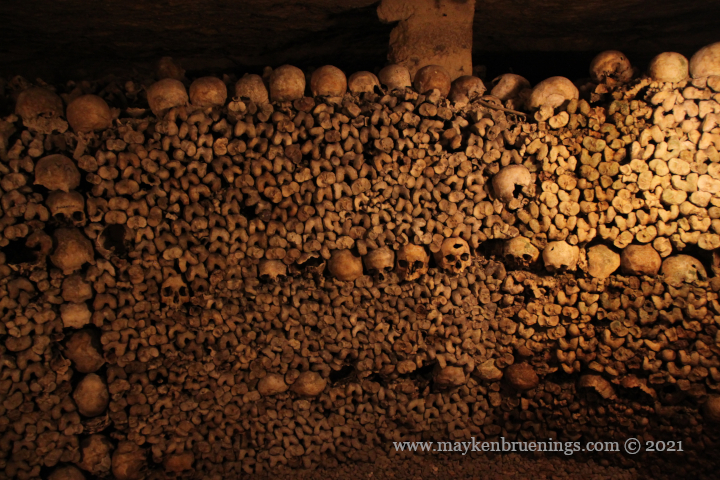
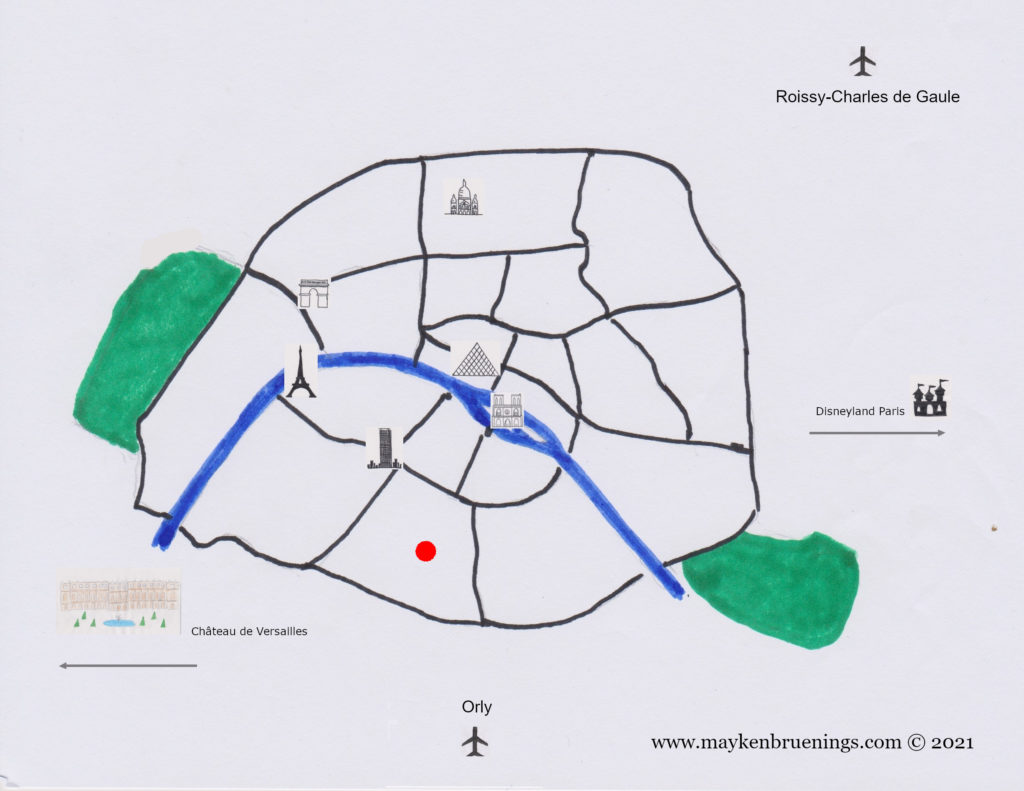
The Denfert-Rochereau intersection in the 14tharrondissement is known by tourists mainly for the entrance to the catacombs and for the departure of the airport buses to Orly airport. There is, however, a whole lot more. Let’s have a look at the intersection.
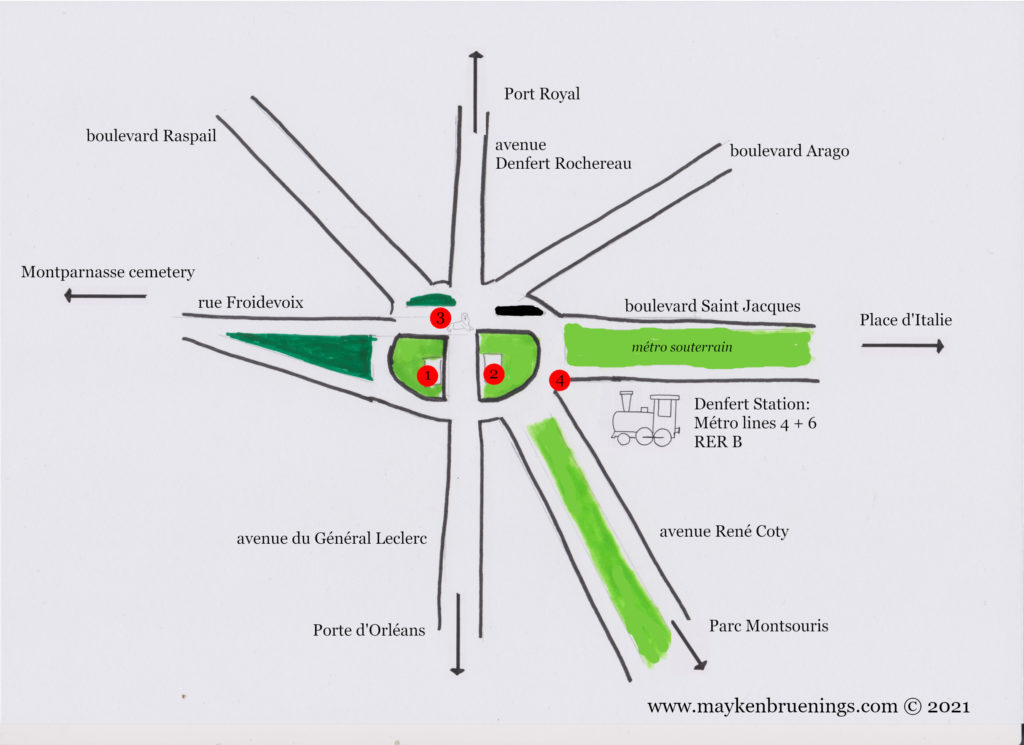
No fewer than seven streets intersect here. First, the north-south axis:
Avenue Denfert Rochereau to the north, it leads to Port Royal.
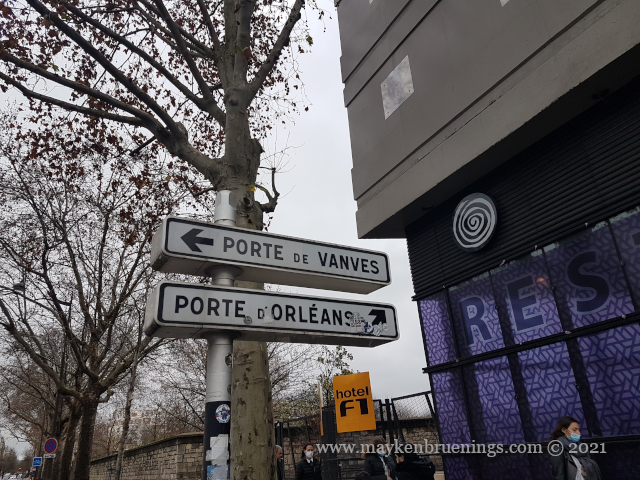
Avenue du Général Leclerc to the south, it leads to Porte d’Orléans (see also La Libération).
To the west, rue Froidevaux, which runs alongside Montparnasse cemetery in the direction of Montparnasse.
To the east, boulevard Saint Jacques which turns into boulevard Auguste Blanqui and runs towards Place d’Italie, with a partially overground stretch of metro line 6.
To the northeast, boulevard Arago, and to the southeast, along the train line, avenue René Coty, leading to the Parc Montsouris.
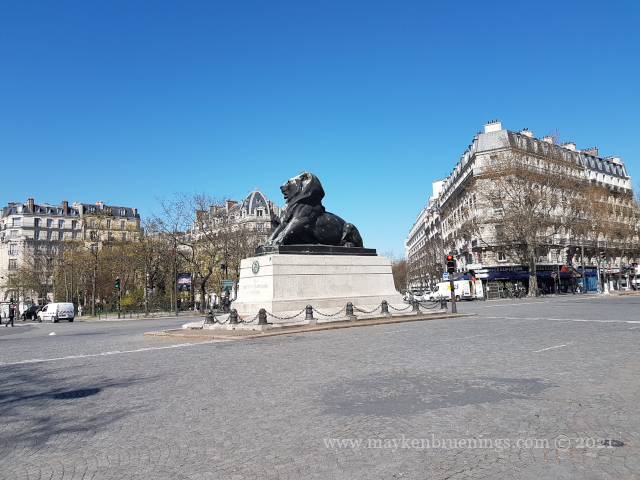
Now for the intersection itself. At its center thrones the Belfort Lion of Paris (3). It is a one-third size copper replica of the Belfort Lion, both of which were created by Auguste Bartholdi. It looks in the direction of the Statue of Liberty, also created by Bartholdi. The Belfort Lion in the city of Belfort, in eastern France, is a red sandstone monumental sculpture commemorating the heroic French resistance during the siege of Belfort during the Franco-Prussian war.
A view of the northern side of the intersection
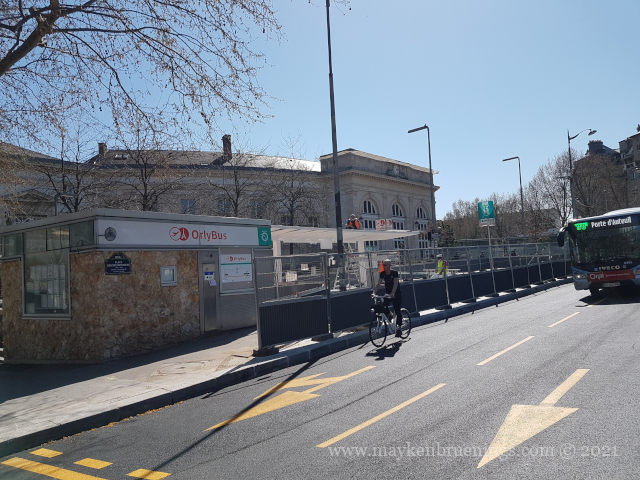
On the east side of the intersection, between Saint Jacques and René Coty, is the Denfert Rochereau station, served by metro lines 4 and 6 and the RER B which leads to both Paris airports, Roissy-Charles de Gaulle in the north and Orly in the south. Outside the station, there’s the Orly airport bus station (4).
Denfert station, currently undergoing works
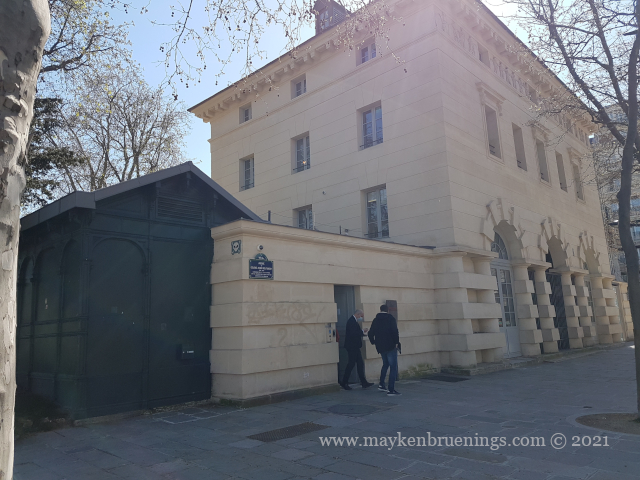
At the center of the intersection, south of the lion, the lodges of the barrière d’Enfer, an entry point of the General Farmers tax wall house two museums: the Paris catacombs on the east side (2) and the Museum of the liberation of Paris on the west side (1).
Denfert tax lodge with entrance to the Catacombs
Avenue du Colonel Henri Rol-Tanguy, tax lodges and Denfert station
The lower part of the Place Denfert was renamed in 2004 to Avenue du Colonel Henri Rol-Tanguy to honor this communist resistant (1908-2002) who led the insurrection of the capital in August 1944 from his command post in the catacombs underneath the intersection.
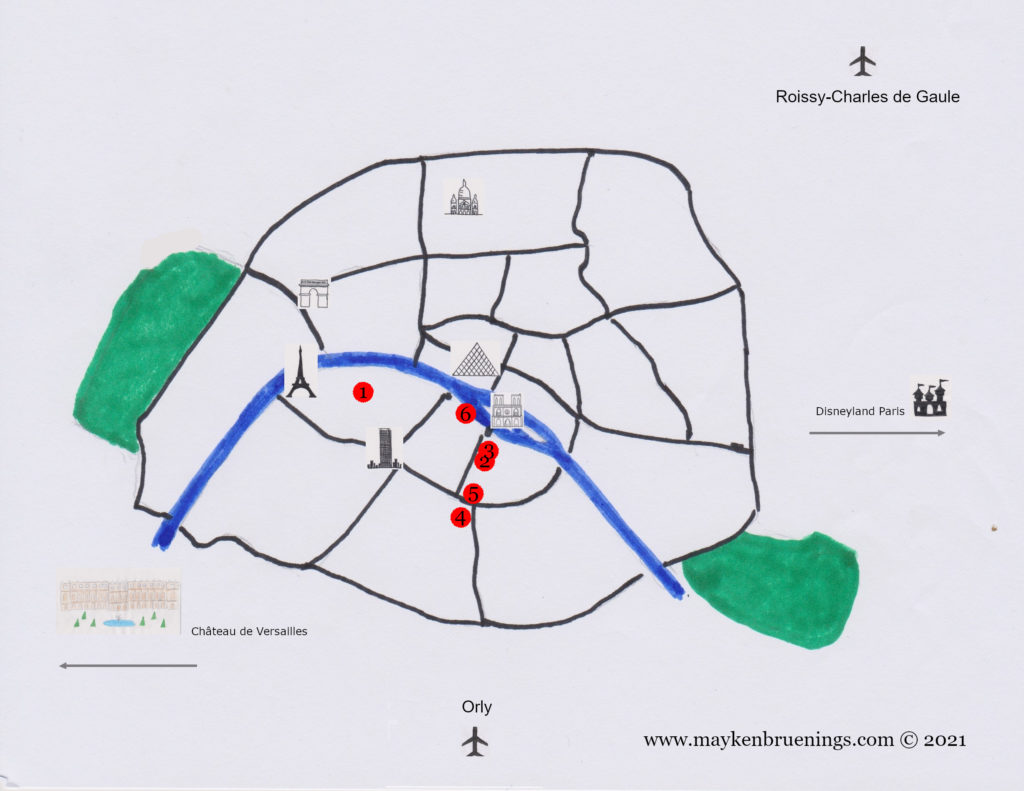
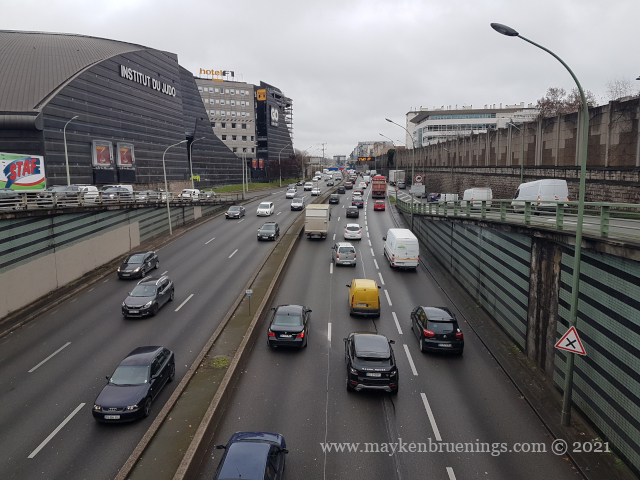
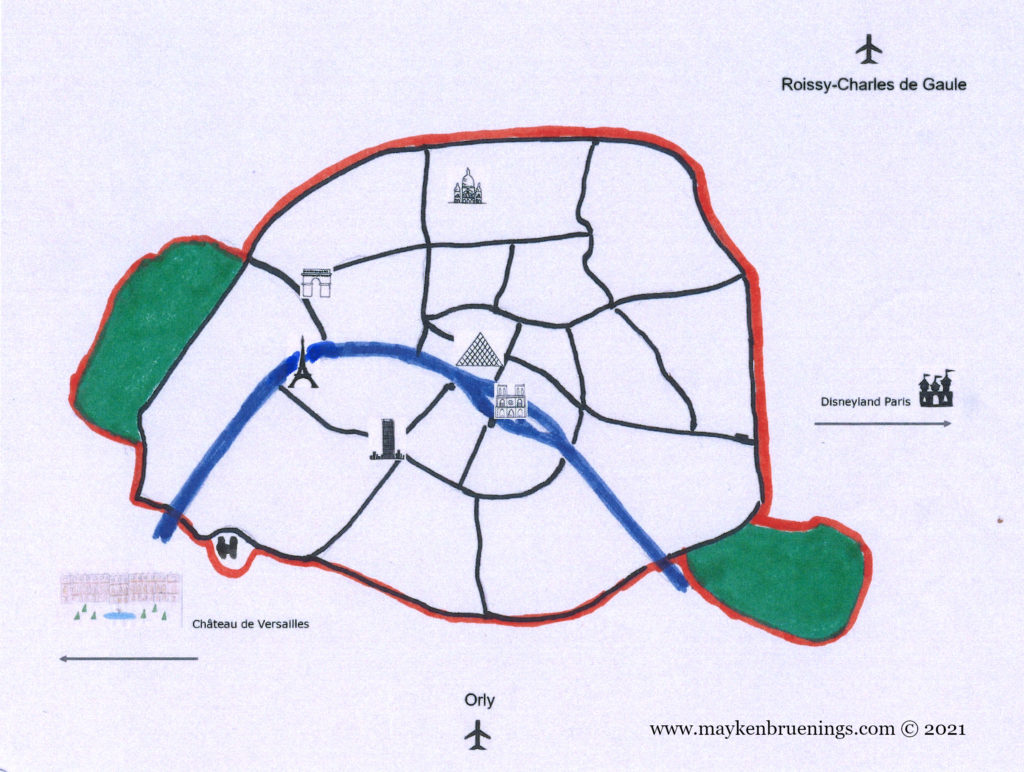
Today, the limits of the city of Paris which is at the same time the département of Paris (n° 75) coincide with the expressway Boulevard Périphérique (“le Périph’” or “BP”), a 35km-long dual carriageway with the particular rule that entrants have priority over those already on the expressway. The speed limit is 70km/h but most of the time traffic jams don’t allow for that speed anyway. The Périphérique intérieur runs clockwise, the Périphérique extérieur counter-clockwise.
The “Périph” at Porte d’Orléans
The strip between the boulevards des Maréchaux (“les Maréchaux”) and the Périph’ is occupied by social housing, schools, and sports equipment.
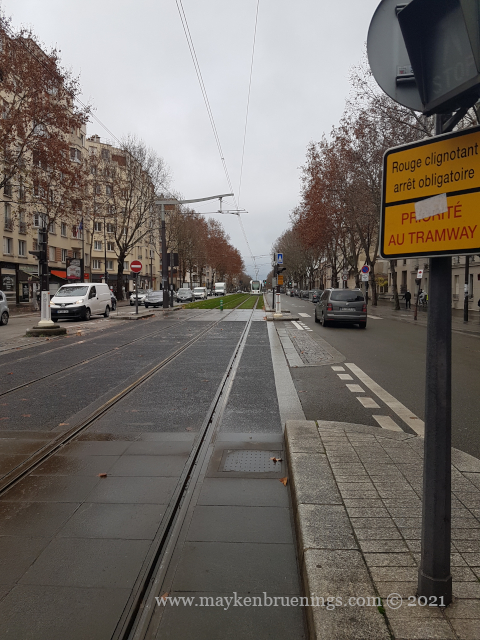
Tramway on the Boulevards des Maréchaux
There are three “extensions” to the surface of the city of Paris that lie outside of this limit: the Bois de Boulogne park to the west, the Bois de Vincennes park to the east, and the Paris heliport in the southwest near the Seine river, belonging to the 15tharrondissement.
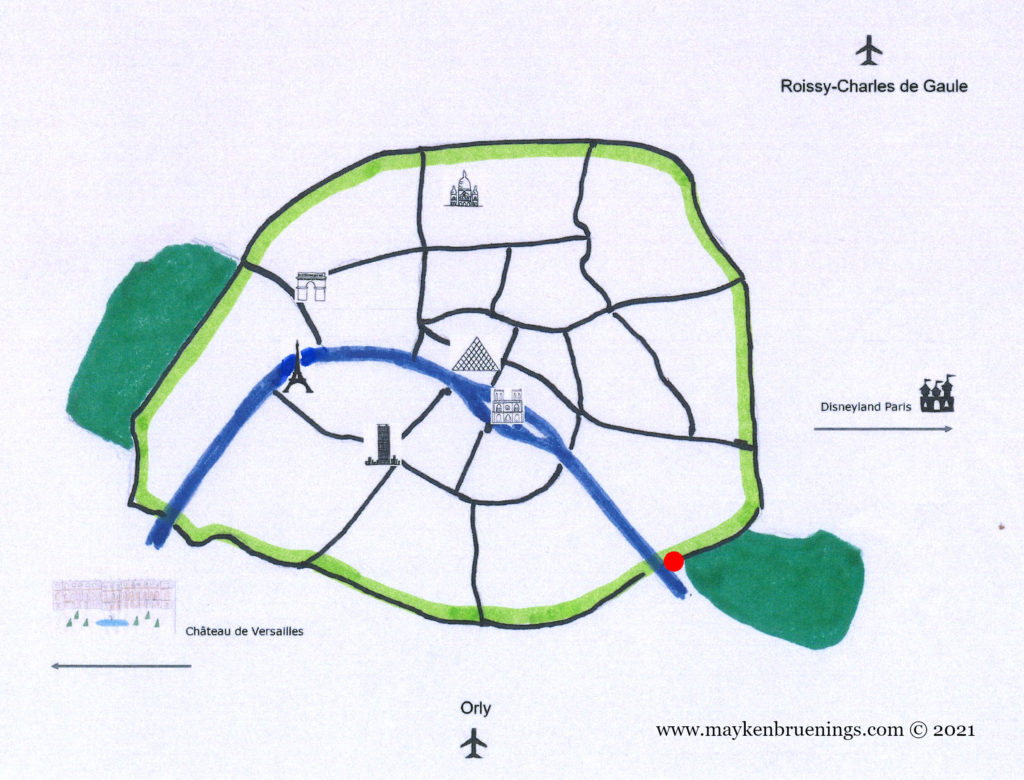
The final city wall that was an actual wall was built between 1841 and 1844 on the orders of Adolphe Thiers, President of the Council, a position that corresponded to that of Prime Minister. It ran around the entire city, a space of almost 80km² and followed the boulevards des Maréchaux, a 33,7km-long ring road named after Marshals of the First French Empire that circles Paris and can today be traced by the PC (Petite Ceinture) buses (west) and the tram lines T3A (south and east) and T3B (east and north).
It was destroyed between 1919 and 1929, and only very few short sections remain, such as Bastion 44 in the rue du Bastion in the 17tharrondissement, the Poterne des Peupliers (a postern) in the 13tharrondissement or Bastion 1 at Porte de Bercy in the 12tharrondissement, in the middle of the Bercy interchange.
The Adolphe Thiers wall (in light green) and the location of Bastion n° 1
Who brings the Easter eggs where you live? I’ve grown up with the trusty Easter bunny, but when I came to France, I found to my surprise that the bunny is only a recent “import” and that traditionally, the Easter eggs are brought by someone else. Seeing chocolate chicken in stores along with eggs and bunnies, you might be tempted to guess the French have kept it realistic and told their kids the Easter hen brings the eggs. But that’s not what it is at all!
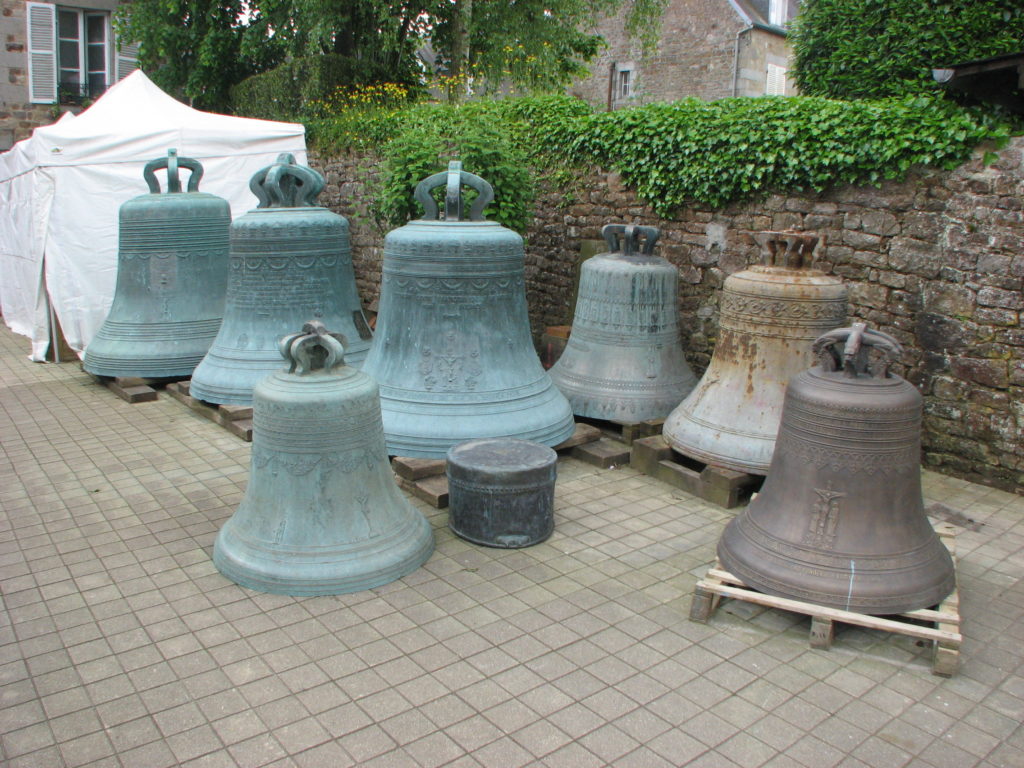
In France, the Easter eggs are brought by the church bells on their return from Rome.
traveling church bells
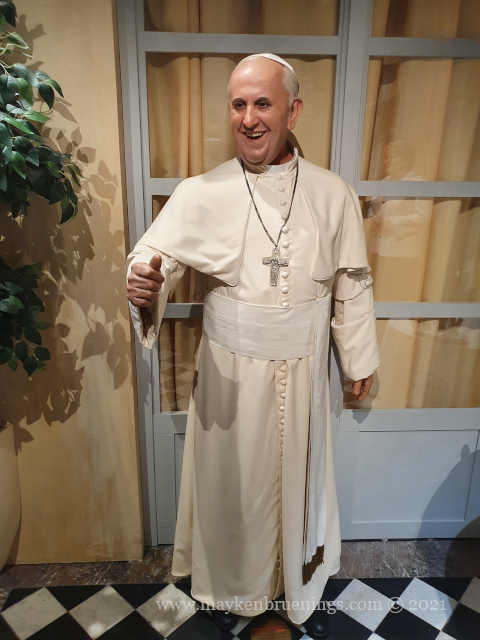
You see, after Holy Thursday, French church bells go silent until Easter Sunday, to mark the mourning for Jesus Christ, a Catholic tradition that goes back several centuries. Children are told the bells go to Rome, to get blessed by the Pope, and upon their return, they bring the eggs and hide them for the children to find.
The Pope, ready to bless church bells?
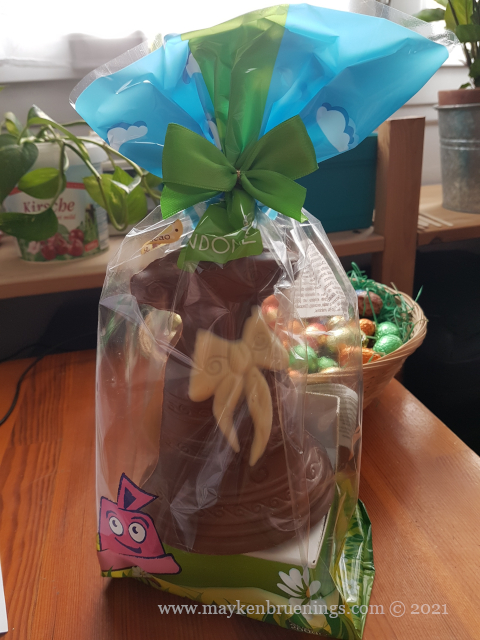
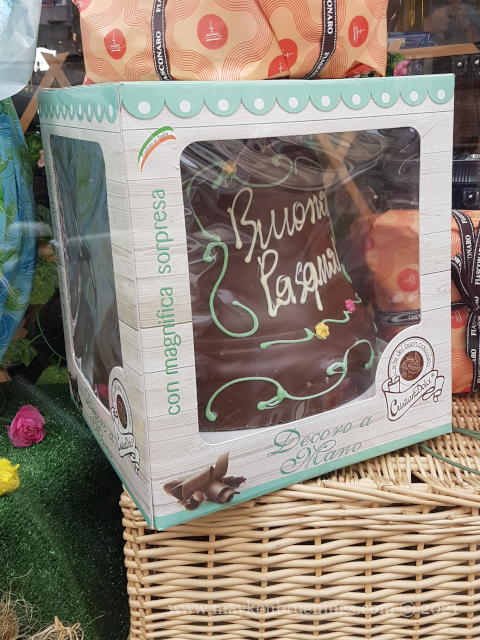
Hence the chocolate bells you will find in French (and also Italian) stores alongside eggs, hens, and Easter bunnies.