Remember the expensive tickets? Finally, some promised cheap tickets showed up. Granted, it was on the official ticket exchange where you could resell your strictly personal ticket. With the Games already in full swing, I scored a 24 € ticket for a volleyball match on Friday morning. (I wanted a sport I know at least the basic rules off, and swimming was still very much out of reach.)
And there were also the street events. That’s what they called everything happening out in the open: road cycling, marathon, triathlon. Given the high security zones mentioned earlier, you’d think watching something for free would be impossible. Well, it wasn’t.
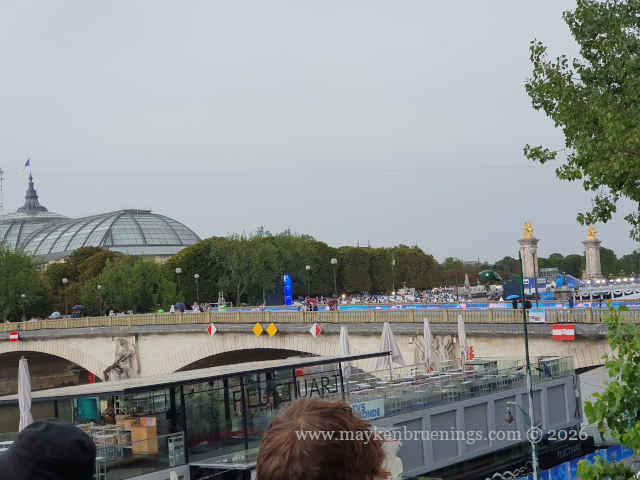
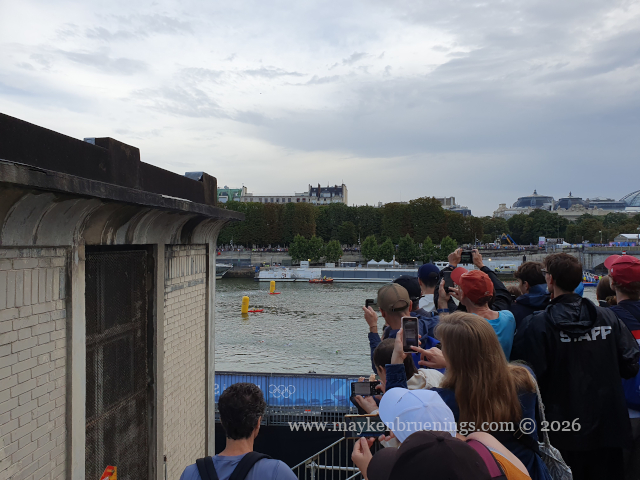
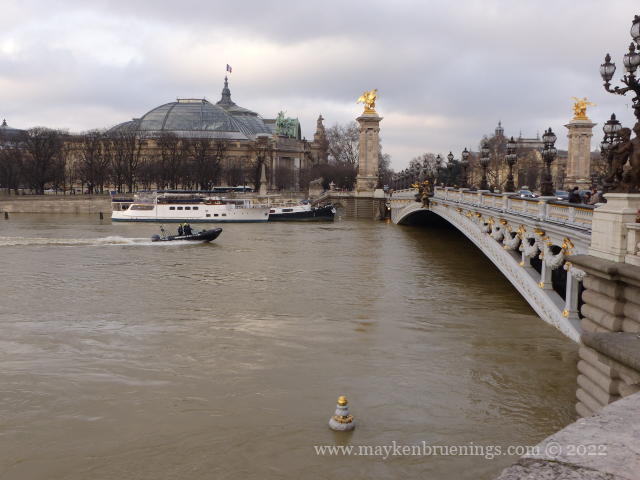
Alexandre III Bridge where the triathlon is about to start (Grand Palais in the background)
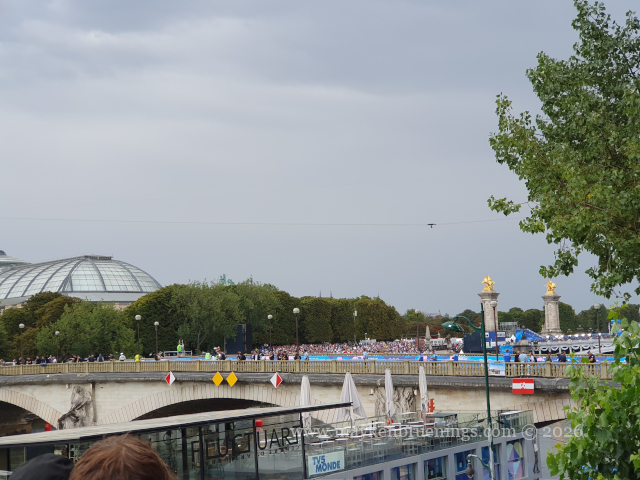
When I went to see the triathlon, the only problem was the (much maligned) water safety issue. The first day’s races had to be postponed, and even on the second day, it was still raining in the morning. The Pont Alexandre III bridge had stands for paying spectators and also the finishing line, while we onlookers crowded every available spot along the riverbanks.
You can see the paying spectators in the stands and the camera drone hovering in the air.
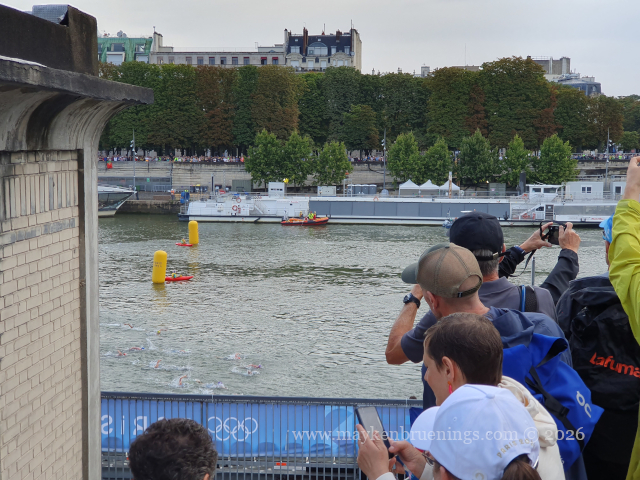
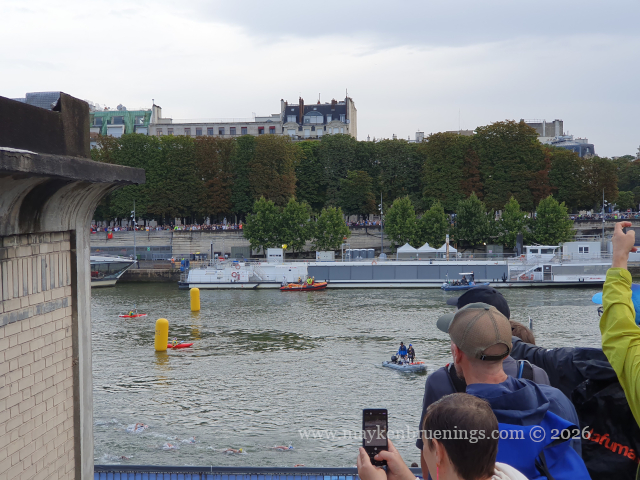
I literally went to see the triathlon on my way to work. Where I stood, we heard the starting signal, then saw the swimmers arrive and round the buoy, repeat this feat and then vanish from sight.
The triathletes have to swim around the yellow buoy.
Here they are in the foreground between the barrier and the first buoy.
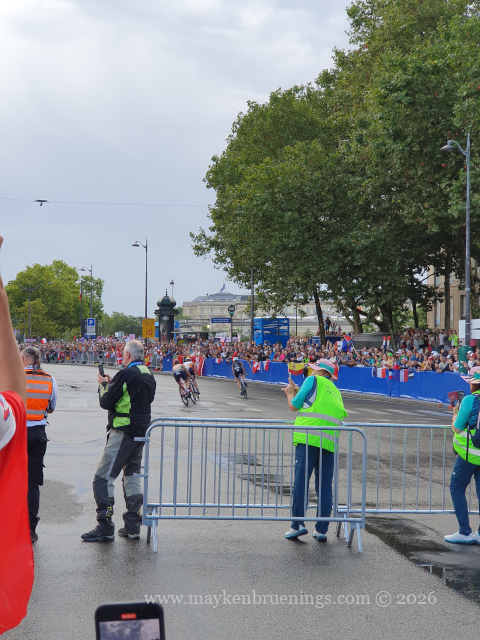
While I made my way through the crowd back onto the street and toward the métro station, the athletes had already finished their first cycling lap and were racing past faster than I could point my camera.
I checked out the running part later on the replay, wondering which of the many colorful swim caps I had seen in the river had been the French triathlete Cassandre Beaugrand who’d gone on to win gold.
World Fairs, or universal exhibitions, exist since the industrial revolution in the 19th century. Since 1931, they are overseen and regulated by the International Bureau of Expositions. The first World Fair was held in London in 1851. It is said to have been inspired by the French Exposition nationale des produits de l’industrie agricole and the Exposition des produits de l’industrie française, the latter having existed since 1798.
Prior to 1931, 20 World Fairs were held, five of those in Paris. As in other countries, these Expositions universelles, despite consisting mostly of temporary structures, have left a mark on the host city.
1855
The Palais de L’Industrie was built on the Champs Élysées. It was inaugurated by Napoléon III and was the emblem of the World Fair which had over five million visitors. Contrary to the Crystal Palace of the 1851 London World Fair, the Palais de l’Industrie was meant to become a permanent exhibition space.
1867
The second World Fair to be held in Paris took place on the Champ de Mars, as decided by emperor Napoléon III three years prior. The transformation of Paris by Baron Haussmann had just been completed. On the Champ de Mars, a military site, a giant oval building was constructed, the Palais Omnibus. A young entrepreneur specializing in metallic structures, was tasked with building the galérie des machines, where cranes, weaving looms, machine tools, power hammers, locomotives etc. would be displayed. His name was Gustave Eiffel.
1878
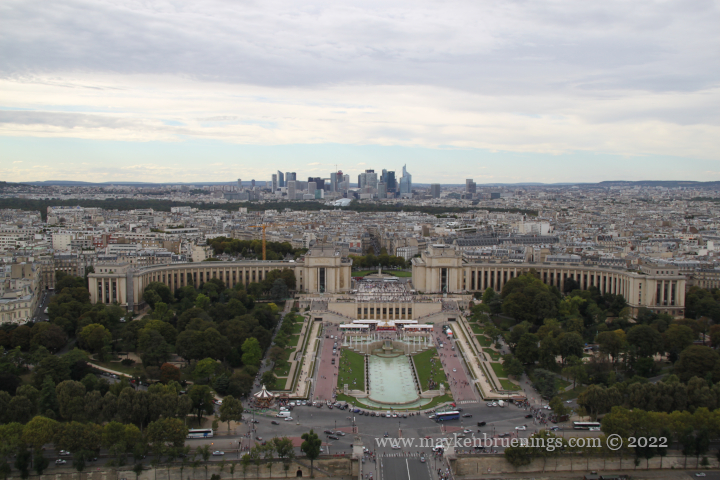
The third Paris World Fair was again held on the Champ de Mars. For the occasion, the Palais du Trocadéro was built on the opposite bank of the Seine, on the Chaillot hill (la colline de Chaillot).
No longer does the Palais du Trocadéro stand on the colline du Chaillot!
One of the main attractions of the exhibit was the head of the Statue of Liberty, and among the inventions presented was Alexander Graham Bell’s telephone.
1889
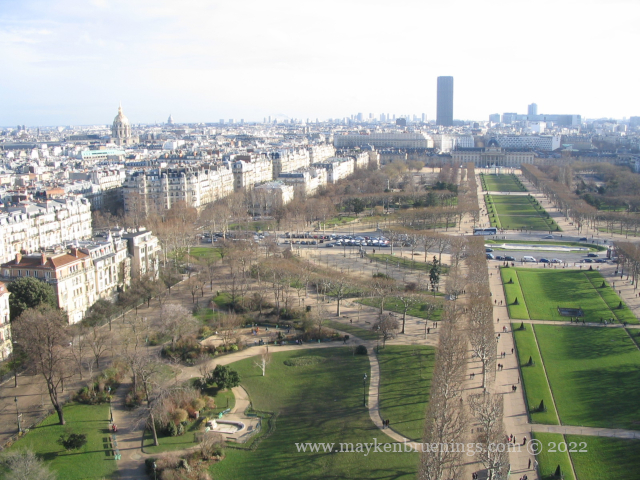
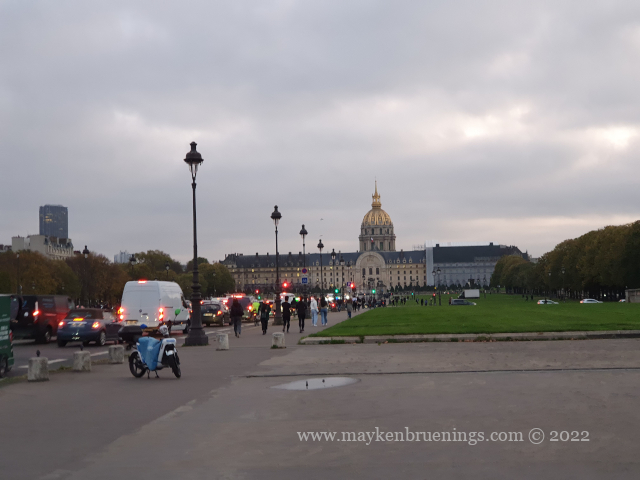
The tenth World Fair and fourth to be held in Paris, celebrated the centenary of the French Revolution. As a result, European monarchies refuse to attend. However, some of them were represented by private initiatives. The Fair was held mainly on the Champ de Mars but also on the Esplanade des Invalides.
Champ de Mars
Esplanade des Invalides
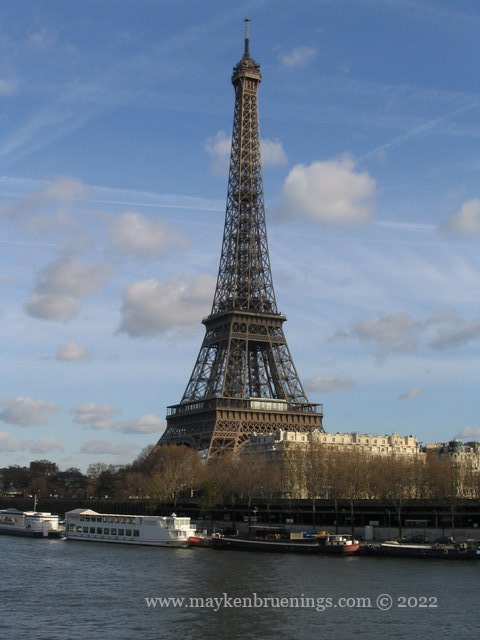
Its main attraction, while controversial at the time and destined to be dismantled after the end of the fair, can still be visited there today.
1900
The fifth Paris World Fair was no longer restricted to the Champ de Mars. While previous World Fairs already includes the Jardins du Trocadéro on the south-eastern slope of the Colline de Chaillot and the Esplanade des Invalides, this fair also occupies the riverbanks on both sides of the Seine, from the new Pont Alexandre III to the Pont d’Iéna.
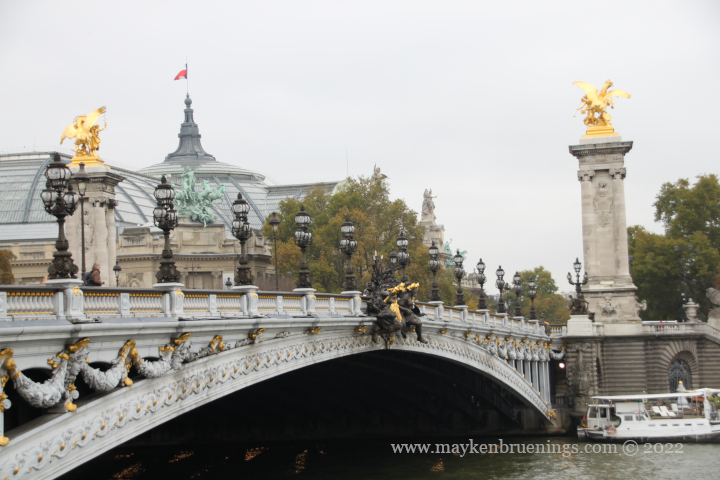
Pont Alexandre III with Grand Palais in the background
While the Pont d’Iéna links the Champ de Mars to the Trocadéro, the Pont Alexandre III links the Esplanade des Invalides on the left bank to the Champs Élysées on the right bank. Two palaces were built for this World Fair in the place of the Palais de l’Industrie, demolished in 1896: the Grand Palais and the Petit Palais.
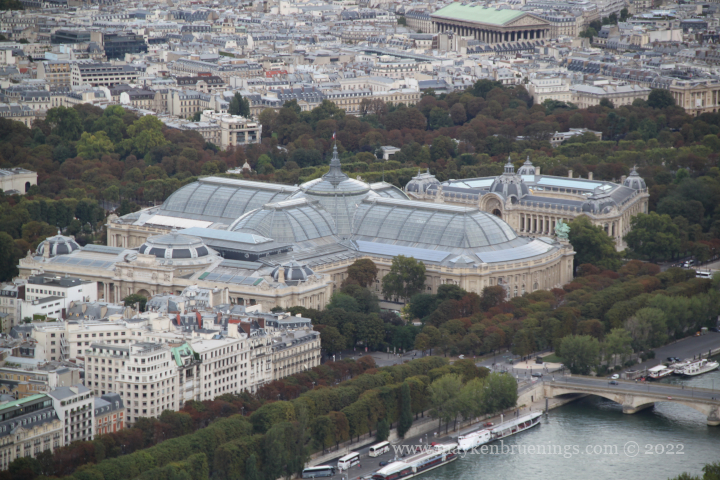
Aerial view of the Grand and the Petit Palais
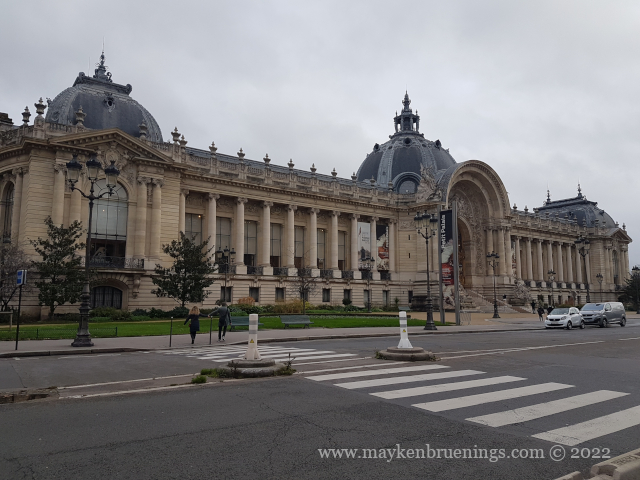
The Petit Palais
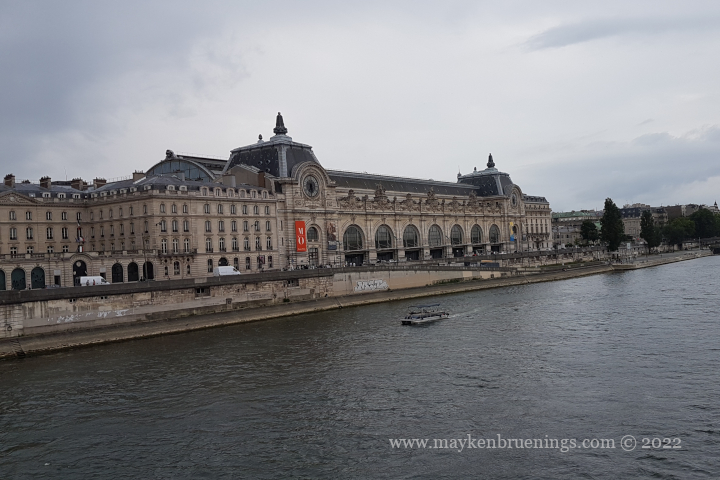
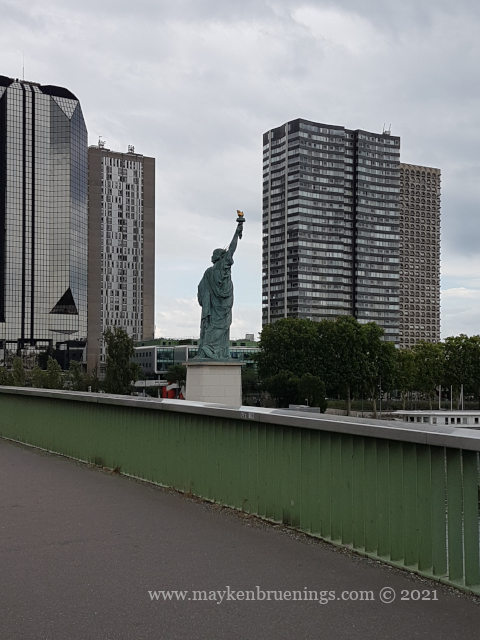
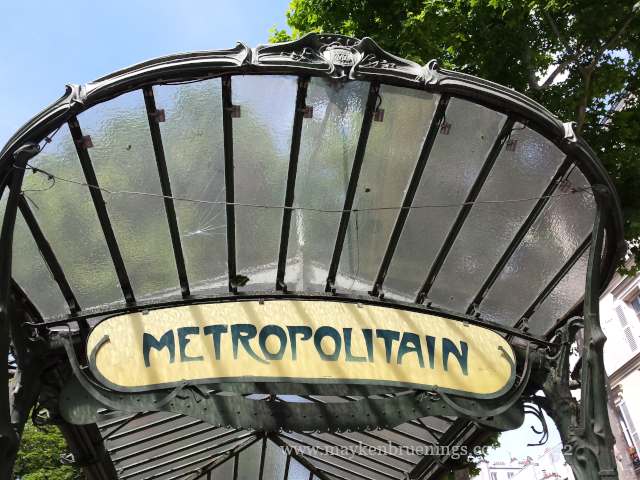
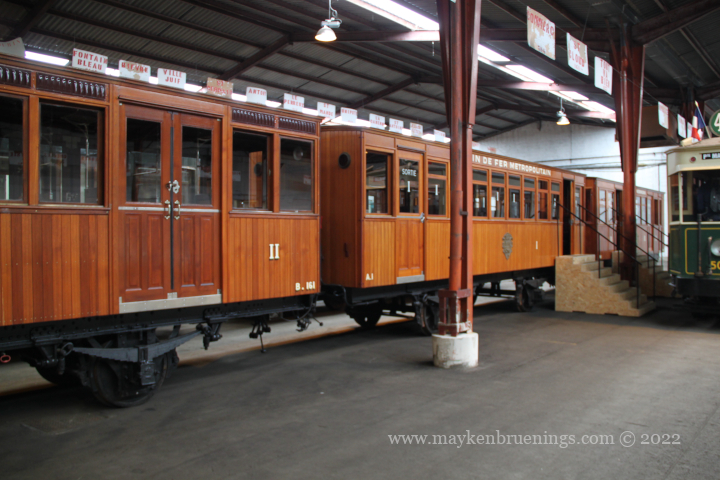
Of those five Expositions universelles held in Paris, it is the 1900 one that has left behind the most landmarks and structures still in existence. Not only the Pont Alexandre III built in a way to allow for a view from the Champs Élysées past the Grand and Petit Palais and across the river to the Esplanade des Invalides and the Invalidesitself, but also the Gare d’Orsay (today Musée d’Orsay), the Statue of Liberty on the Pont de Grenelle, and, above all, the first sections of the Métropolitain, inaugurated on July 19, 1900.
The Musée d’Orsay still looks like the train station it once was.
The Statue of Liberty on the Pont de Grenelle
early métro trains looked like this
Take a ride on métro line 1, the first métro line which, at its inauguration in 1900, ran from Porte de Vincennes to Porte Maillot.