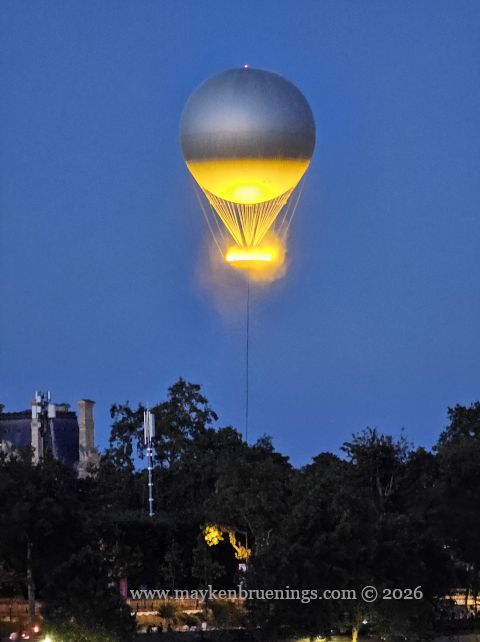
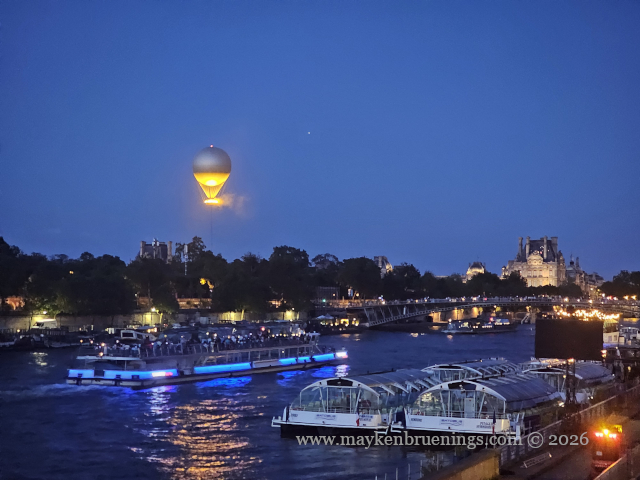
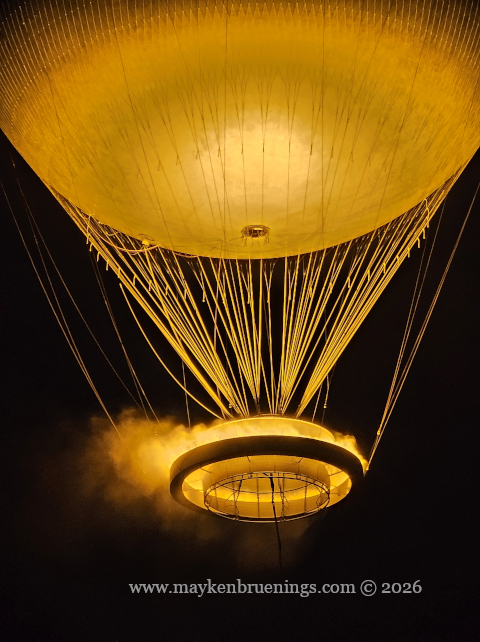
Remember the cauldron of Paris 2024? A golden hot-air balloon in the middle of the city? Of course we had to go see it!
Free viewing tickets were impossible to get (like all tickets for these Games) but hey, the balloon was in the air, right? So on Sunday after the opening ceremony, we hopped on the métro and went into town. It was a lovely warm summer evening, and we walked from Invalides over to the Tuileries where the cauldron (la Vasque) was, staying on the opposite bank at first.
Then we crossed and realized we could get pretty close without any tickets whatsoever.
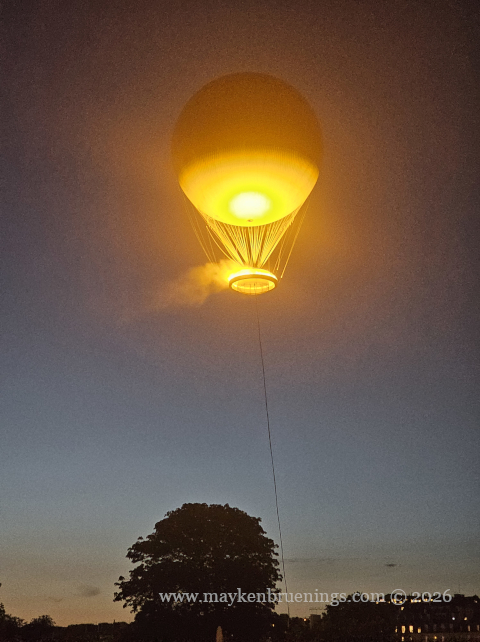
Did you know the Cauldron had no real flame? It was a LED lighting system plus a cloud of mist generated by a lot of water jets. We got to see it up close.
No real flame – it’s LED lights and a cloud of mist – awesome, right?
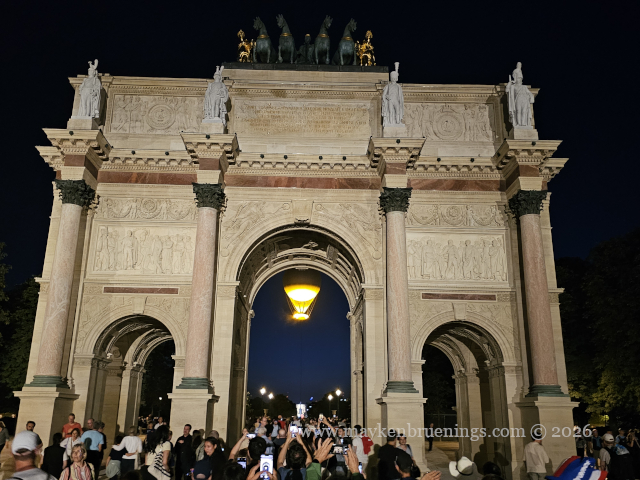
We finished off with some great shots from the Arc de Triomphe du Carroussel, the small triumphal arch just across from the Louvre. There were lots of people everywhere, and ten times more different languages than what you usually hear in the tourist areas of Paris. It felt very special to be a part of this.
The Vasque seen through the Arc de Triomphe du Carroussel
Finally, the moment has come. The day is here. It is Friday, July 26, 2024, and tonight’s the night of the Olympic Opening Ceremony.
No, wait. We’re not there yet. In the morning, France wakes up to reports of arson attacks on the French high-speed railway during the night. Chaos ensues, and reportedly, some spectators who paid a fortune for their Opening Ceremony seats (tickets cost over 1,000 euros) didn’t make it in time.
But now for real! We’re on the Seine river, it is Friday evening, and I give you—
RAIN!
Yes, thousands and thousands of spectators sit in temporary stands along the river between Austerlitz and Iéna bridges, and it’s pouring down on them. Also on the artists, the VIPS, the security people, and most importantly, on the Olympic athletes in their boats!
I watched a documentary later, and Tony Estanguet, head of the organizing committee and three-times Olympic champion, had tears in his eyes. He’d weathered everything, the arguments, the delays, the politics, and now just as his dream was coming true, the weather gods punished him.
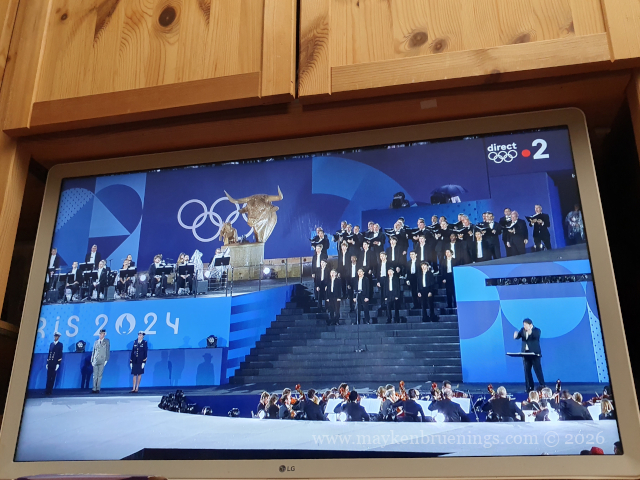
Meanwhile, my family had the very best seats in the house: in front of the TV!
Best view in the house!
You see, the idea of holding the Opening Ceremony on the Seine meant that each spectator only saw a small part “live” and had to follow the rest on one of the big screens. Also, they were being rained down upon. Whereas we were sitting in our warm and dry living room, hadn’t spent a cent on tickets for the night, yet got the very best view.
Many Parisians had applied for free tickets, but those were obviously behind the 1,000-euro-seats and, just as obviously, in the rain.
I don’t regret anything about that night.
The Opening Ceremony changed everything. From the moment the French national colors blue-white-red exploded on Austerlitz Bridge, still hours before the Games were declared open, the mood changed.
Parade, the Paris 2024 hymn by Victor Le Masne
The ceremony was amazing. It started on a fun note, with comedian Jamel Debbouze (you might know him as architect Numerobis in “Asterix: Mission Cleopatra”) taking the Olympic torch to the Stade de France and finding it empty, only to have French football star Zinedine Zidane show up to save the day, racing with the torch into the métro. The métro (predictably) gets stuck, and Zizou tasks three kids with carrying the torch. They meet the Phantom of the Opera who rows them along an underground canal and onto the Seine. Later, a masked Assassin (from Assassin’s Creed, created in France) takes over and carries the torch over rooftops, checking in on rebuilt Notre Dame cathedral and rehearsals for Les Misérables musical. At one point, the torch is handed over to a cavalière on a silver horse named Zeus riding on the river to the Trocadéro. Only for more torchbearers to get in a speedboat and take the torch back to the Tuileries where the cauldron, a golden Montgolfière—a nod to History—is lit by an Olympian and a Paralympian.
Céline Dion rallies her voice to sing live from the Eiffel Tower, and a volunteer gets her fifteen minutes of fame holding the umbrella for organizing committee boss Tony Estanguet during his Opening Ceremony speech.
I was in tears in front of our TV screen. Skepticism? Forgotten. Let the Games begin!
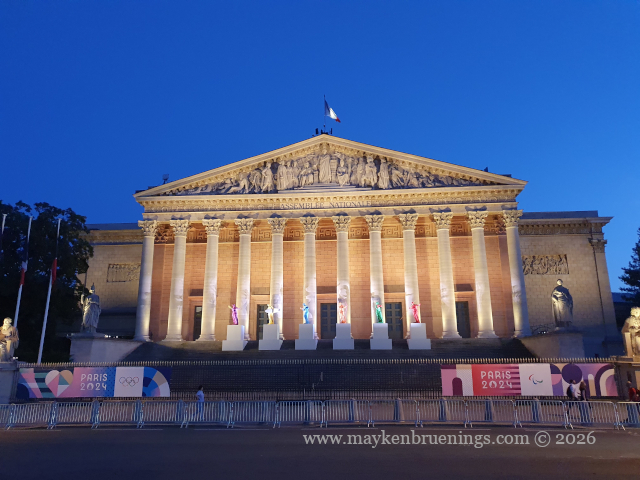
I don’t talk about politics on this blog, but the French President calling snap elections a few weeks ahead of the Olympics was on no one’s bingo card. As a result, we spent June in election mode, with voting taking place at the end of June and the beginning of July. This followed the European Parliament elections in early June. Don’t ask.
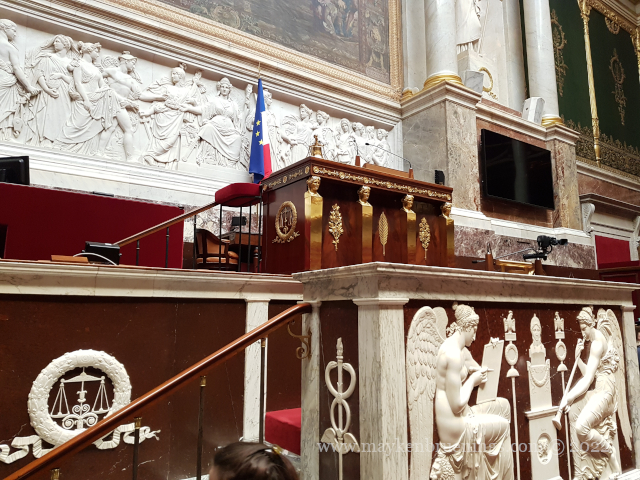
The Assemblée Nationale – seat of the lower house of the French parliament
So here we are, with the world’s biggest sporting event about to begin, a host city full of disgruntled citizens who have just been forced to cast their votes and who only wish their summer vacation were already there. But there are still a few more events coming first:
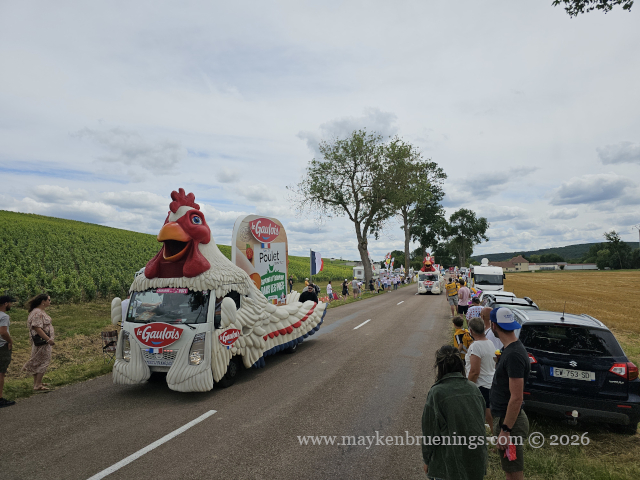
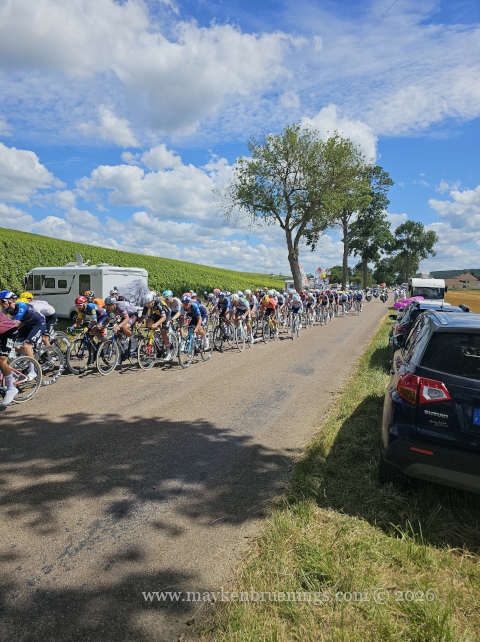
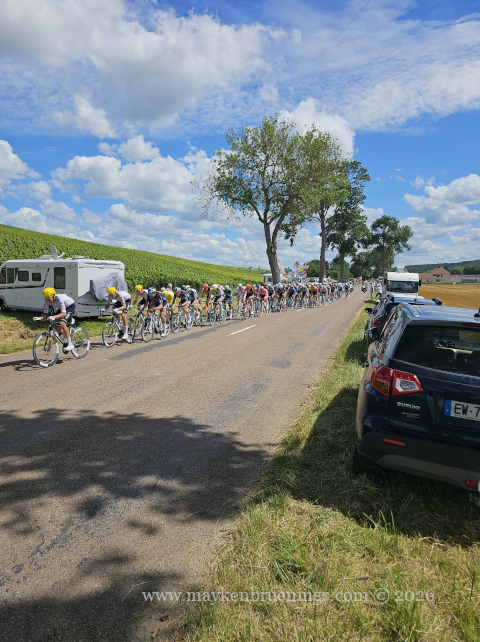
The Tour de France The Tour is a huge annual event. It dominates French television for three weeks, even on rest days. This year, in order to avoid an overlap with the Olympics, the Tour started a week earlier than usual and finished for the first time ever far away from the capital, in Nice. (This should have scored with the disgruntled Parisians. Probably not, though.)
The 2024 Tour de France publicity cars in the Champagne region
The Tour de France racing past us in the Champagne
Bastille Day July 14 is the French National holiday, with a big military parade and lots of flag-waving and fireworks. Nothing special to report there, but two days later the prime minister’s resignation was accepted. His government stayed on as caretaker government until all of Paris 2024 was concluded.
On July 17, the French mayor took a quick swim in the Seine, with dozens and dozens of journalists immortalizing her heroic feat. Talk about a political summer!
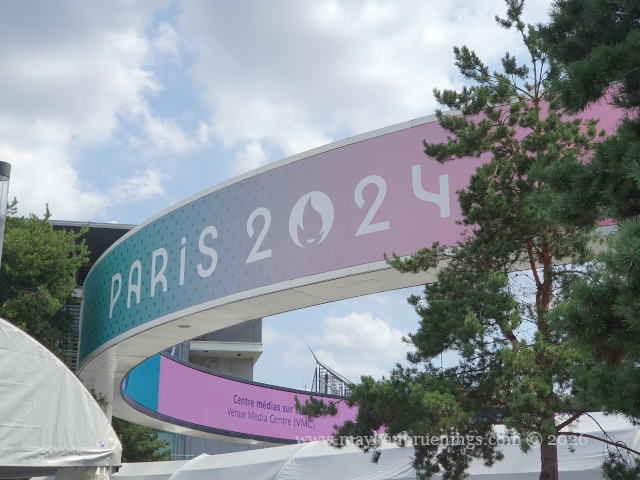
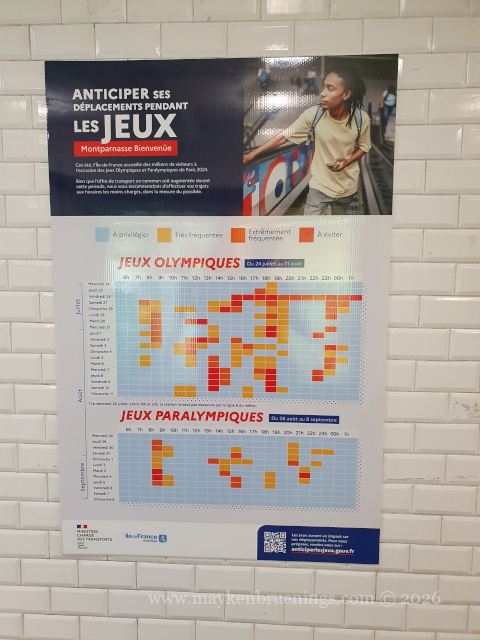
As the Games approached, school was out for the summer, and posters popped up on métro billboards inviting Parisians to work from home, avoid public transport, avoid the stations of the Games sites, and generally stay away, when we’d been sold on the Games as a “Grande Fête Populaire” (a big party for all).
Locals were told to “anticipate” their travels on public transport during the Games (or stay home altogether).
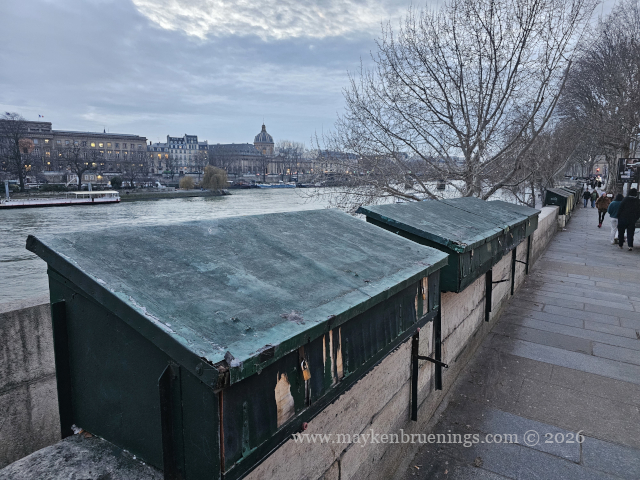
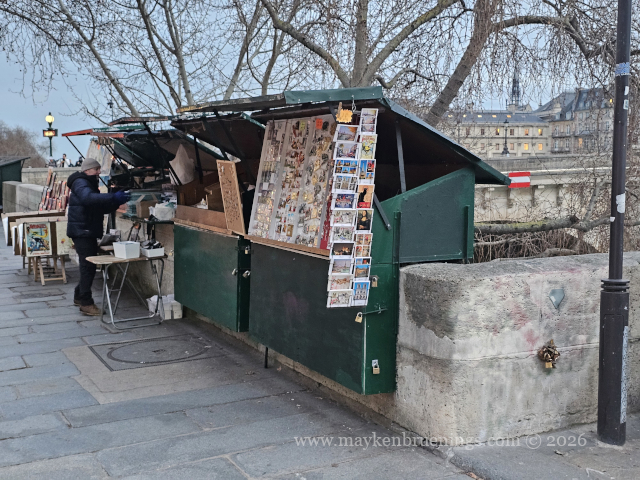
We considered the very large security zones surrounding the Games sites exaggerated, and the Paris mayor’s attempts to relocate the Bouquinistes, you know, those traditional vendors of old books, maps, assorted stuff (and nowadays souvenirs), away from the Seine quais in view of the opening ceremony on the river were greeted with an outcry. She backed off.
In short, Parisians weren’t happy, and we weren’t looking forward to those weeks of projected chaos.
Having the Olympic and Paralympic Games in your hometown is a once-in-a-lifetime experience, right? One that most people will never have. As you all know, the Games did come to my hometown in 2024, and I’m sharing my personal take on it in this summer series:
(The links will go live one by one as the posts publish every 3 days over the next weeks.)
In 1537, King François 1er issued the Ordonnance de Montpellier, by which one copy of each published book had to be deposited in the king’s library.
Today, the French National Library (Bibliothèque Nationale de France – BnF) consists of seven sites, and receives 70,000 books, 250,000 magazines and thousands of specialized documents every year.
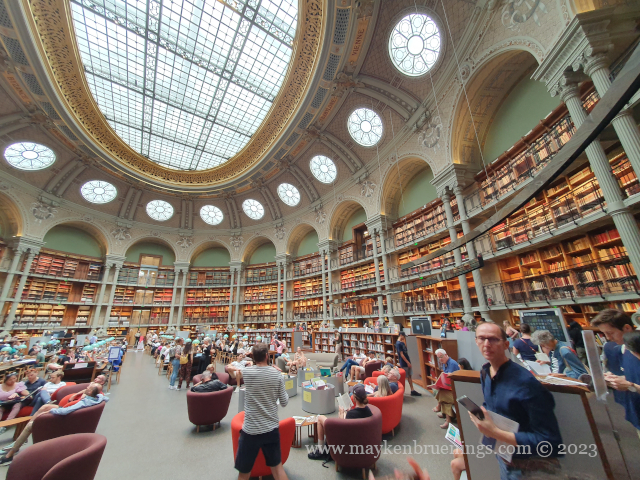
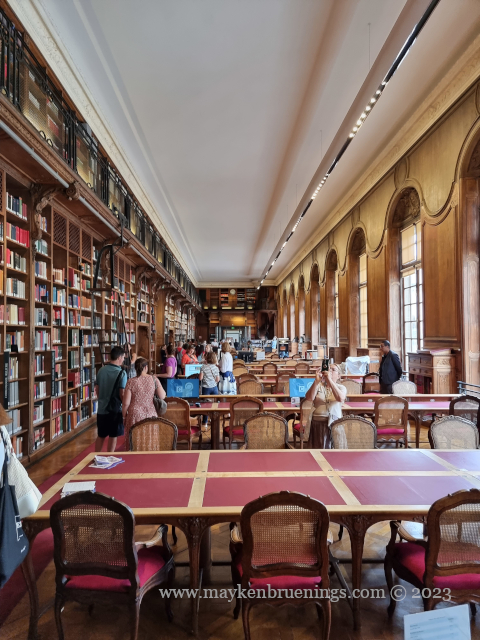
The oldest site of the BnF is the Richelieu site. It was home to the king’s library since 1721. Located in the heart of the 2ndarrondissement, the former palace of Cardinal Mazarin (not to be confused with Mazarin’s library La Mazarine) was built in the 17th century and subsequently enlarged up until the 20th century.
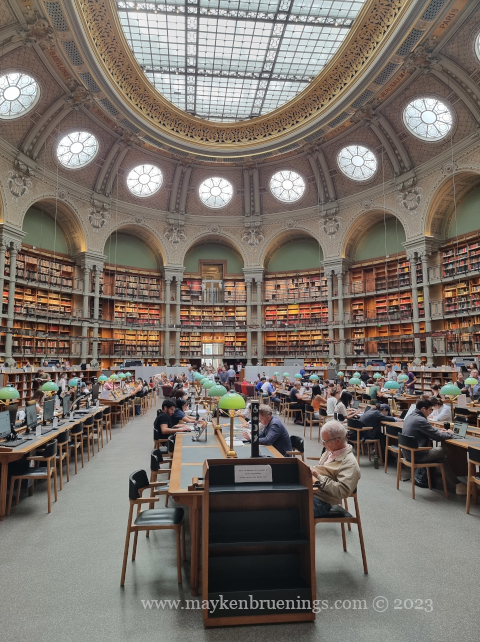
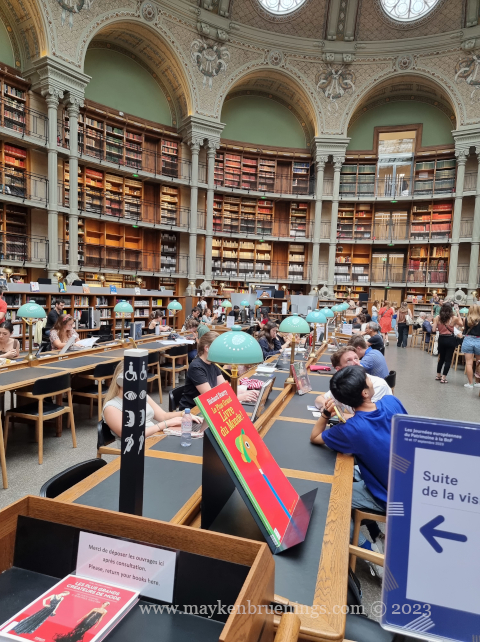
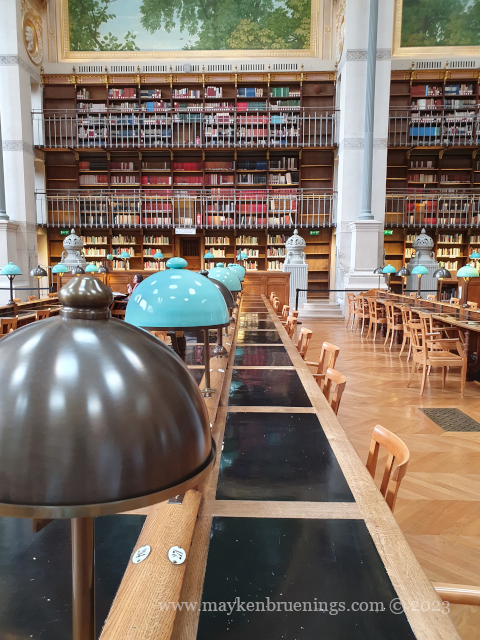
The salle Ovale reading room is open to the public
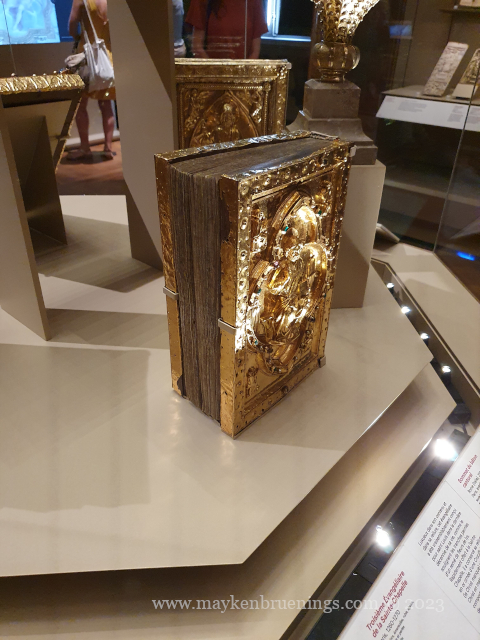
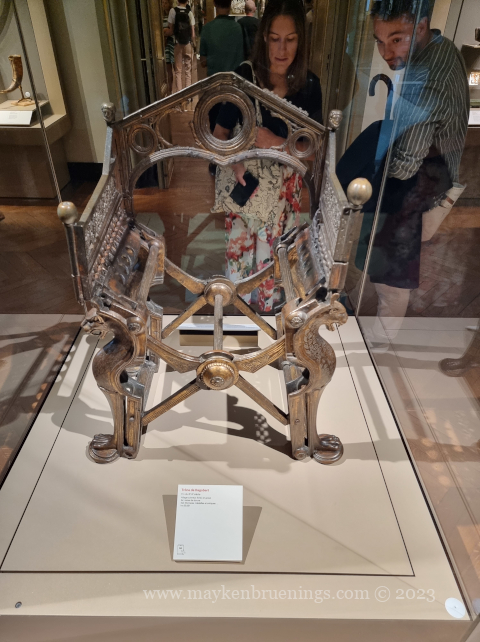
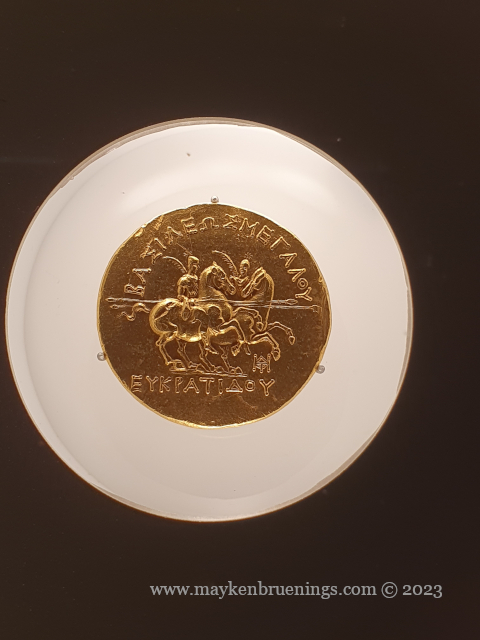
The new BnF museum on the Richelieu site showcases exceptional objects from the BnF collections, among them the throne of King Dagobert (King of the Franks in the 7th century), Charlemagne’s chessboard or the largest gold piece ever found.
The Richelieu site of the Bnf is open to the public. The salle Ovale reading room has free access, for the museum you need to purchase a ticket. Guided tours are available. For access to the research libraries (of which Richelieu is only one site), you need to sign up advance.
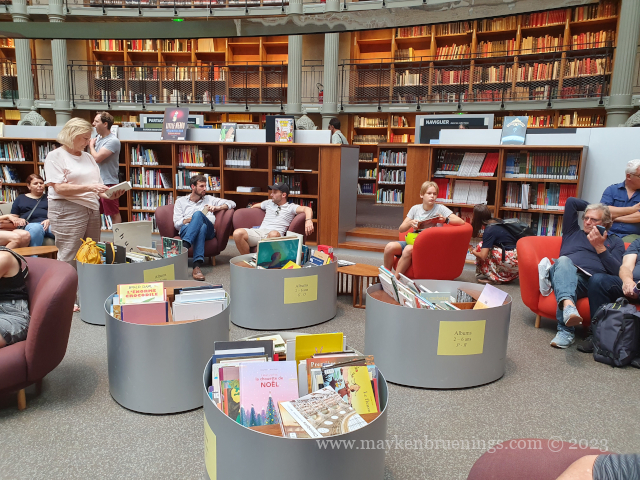
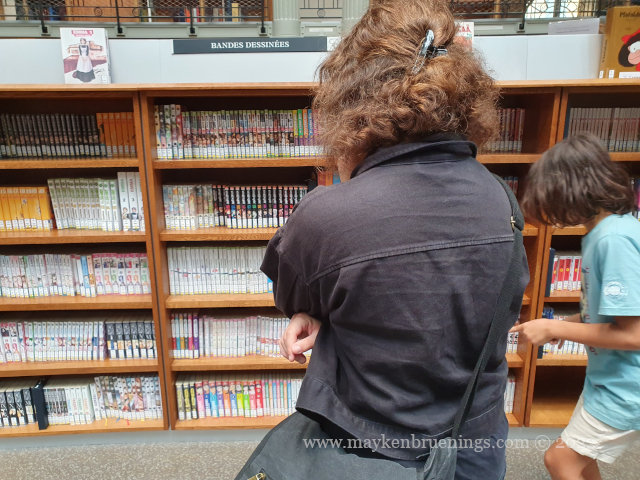
The Salle Ovale is a reading room with over 20,000 volumes for reference, among which 9,000 comic books and mangas.
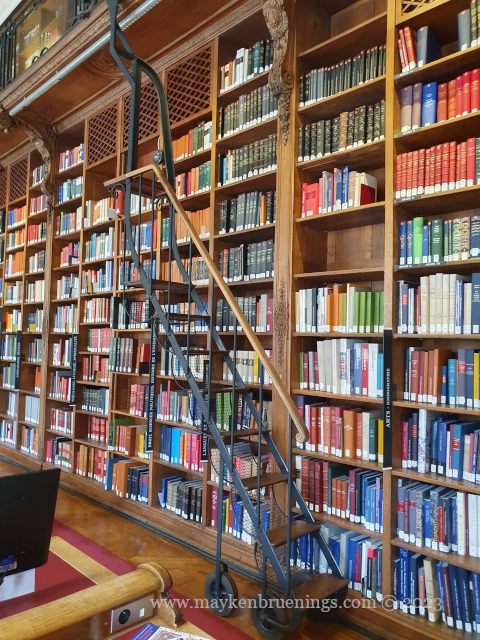
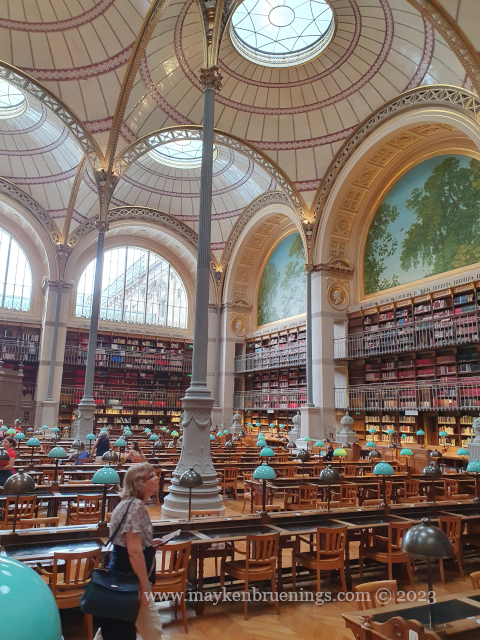
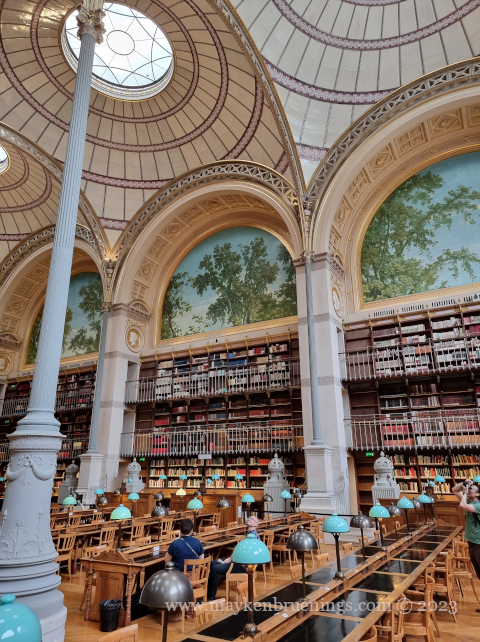
The Labrouste reading room was created for the Imperial Library. Today it hosts the library of the national institute for art history.
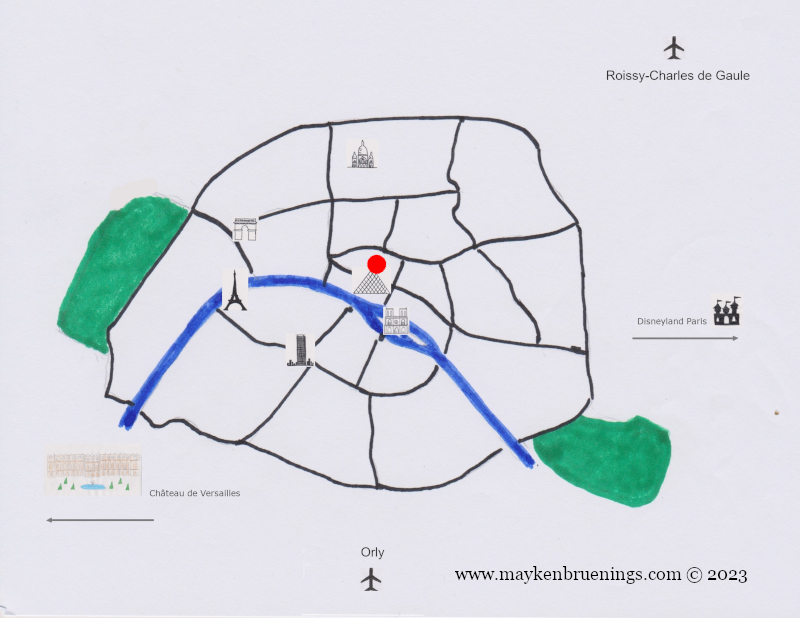
The location of the BnF-Richelieu on a map of Paris
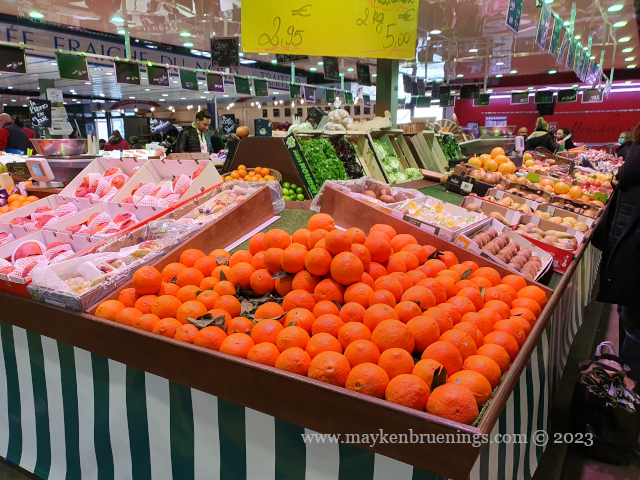
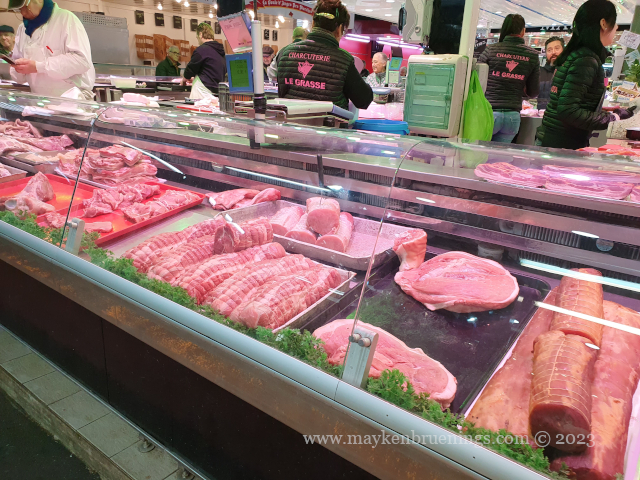
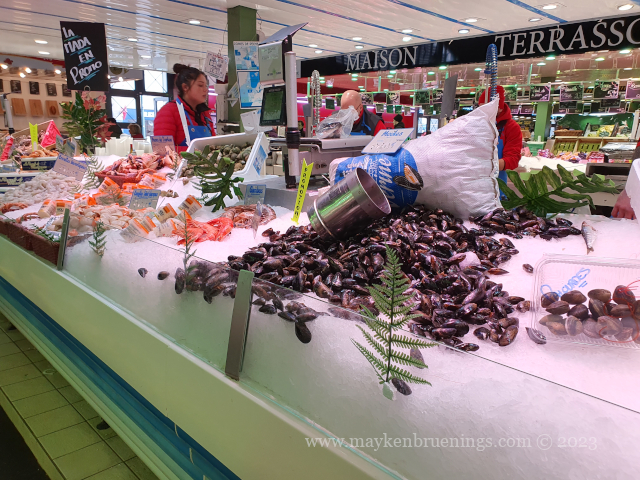
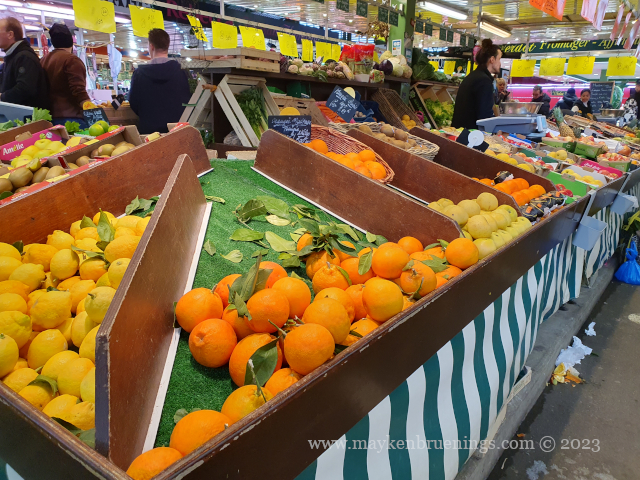
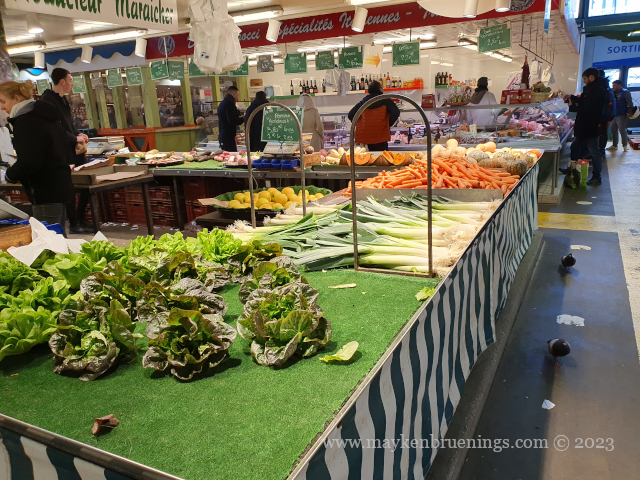
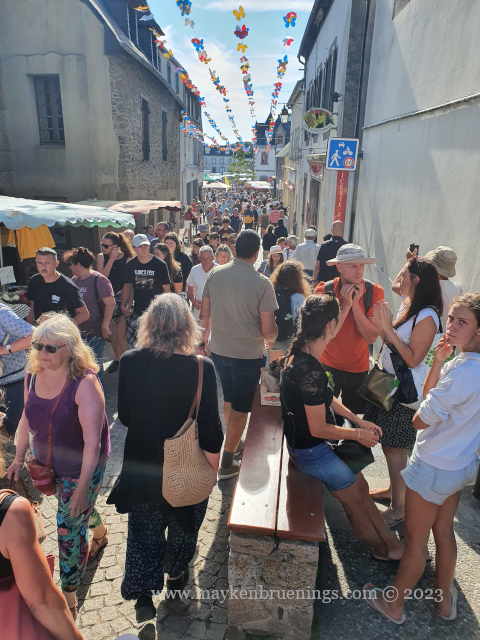
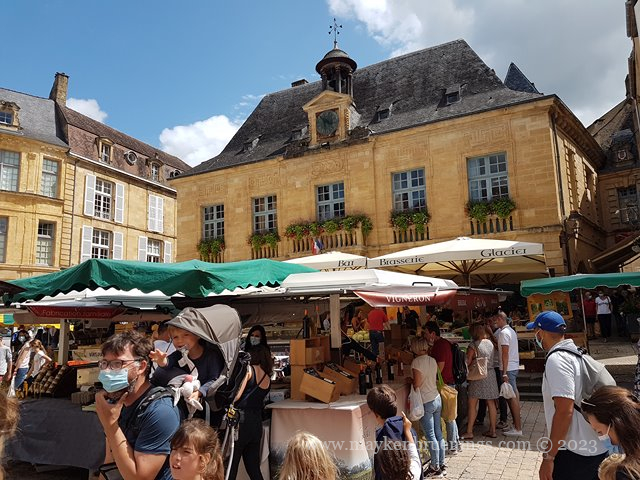
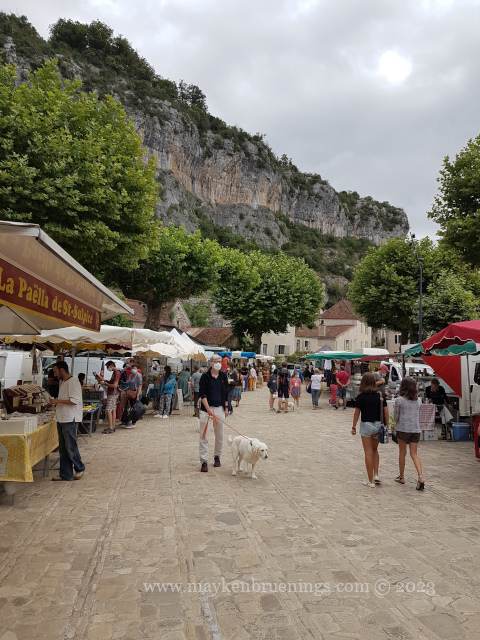
Have you ever been to a French market? I don’t remember my first experience which dates back to a school exchange in 9th grade, but I do remember first venturing by myself to what I think is the biggest market in Lille, the city in northern France where I began my studies. It was a little disorienting at first, all those marketers advertising their wares in loud voices, sometimes trying to shout one over the other. This is a staple of every French market I’ve visited so far.
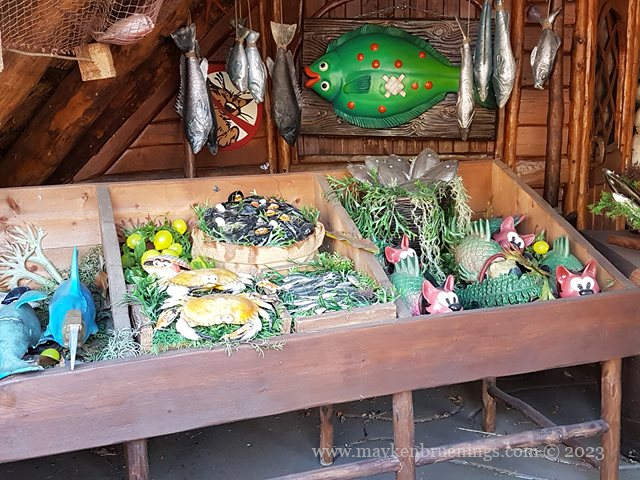
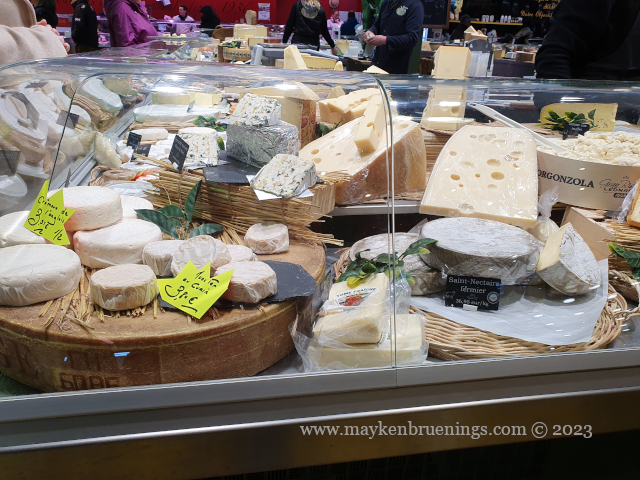
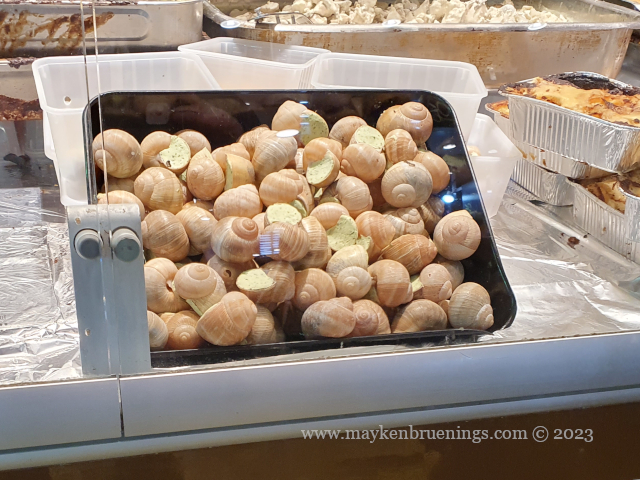
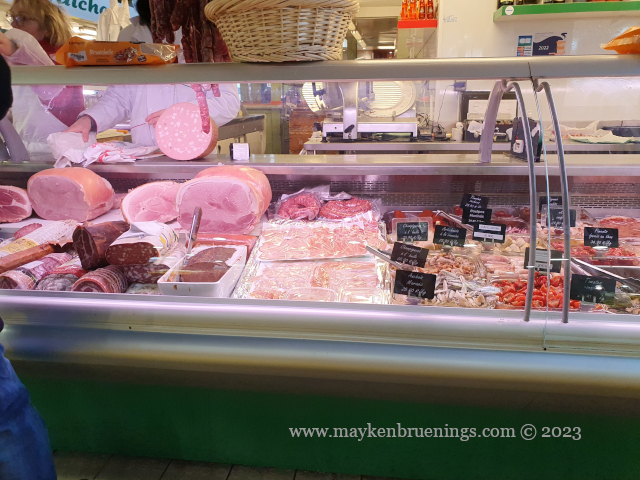
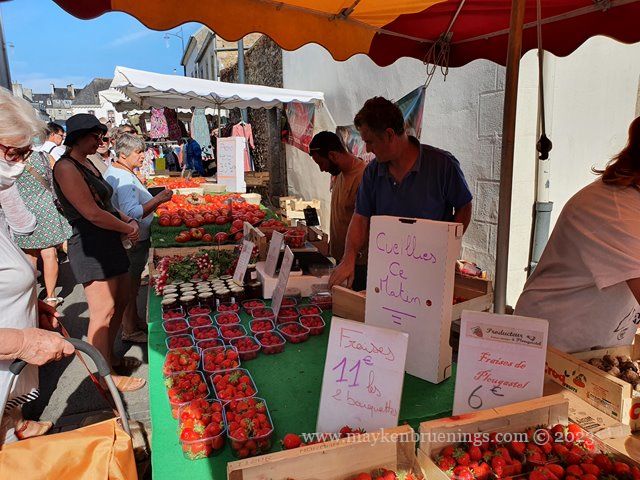
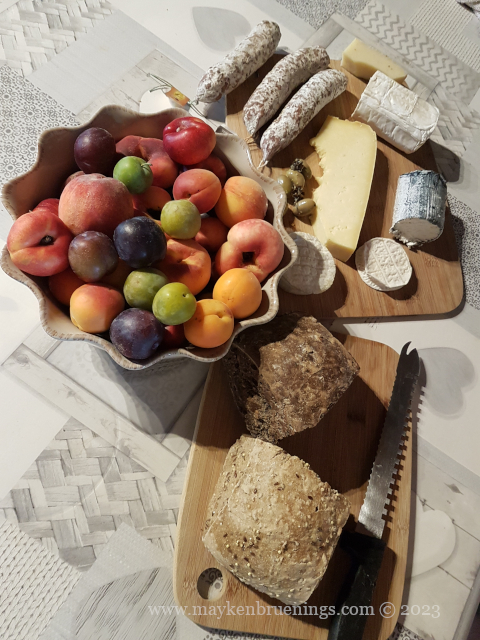
And the sheer quantity of food on offer! There are fruit I’ve never seen before but fortunately a little sign will give me the name. There are many kinds of fish (all much fresher than those on offer in a certain Gaulish village), including shellfish, and don’t get me started on the cheeses!
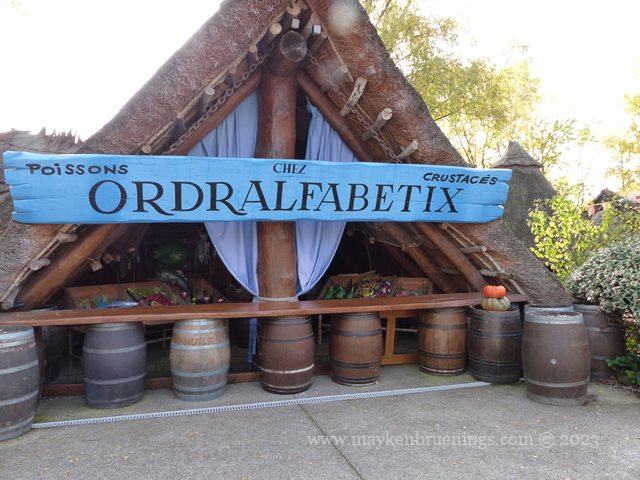
Unhygienix’ fishmonger’s stall in the village of Asterix
A huge advantage of a market over a supermarket is that when you want to buy fresh fruit such as, say a melon de Charente, the market seller will ask you when you plan to eat it (Tonight? During the next few days?) and find you one with the matching degree of maturity. Another highlight of markets for me are the local farmers selling their yogurts and other fresh milk products that you would have a hard time finding on supermarket shelves. Finally, and that’s my husband’s go-to place, the chicken-roaster. Go to the Sunday market, buy your groceries, and get home with a chicken fresh from the spit (or half a chicken, or chicken legs) for Sunday lunch.
But let’s go back and look at Paris markets. According to the City of Paris website, the first market was located on the Île de la Cité in the heart of Lutetia in the 5th century.
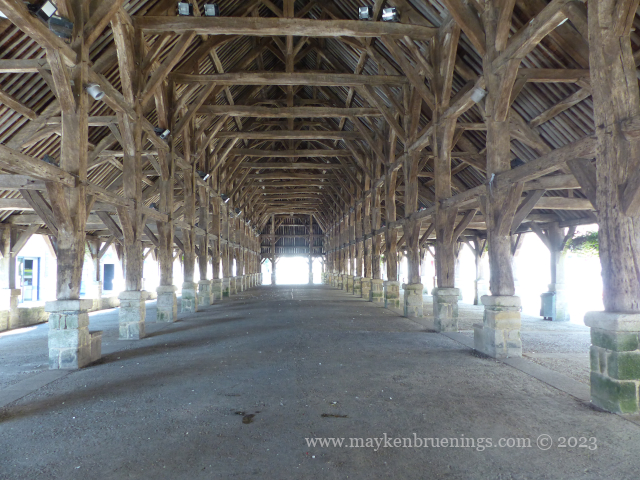
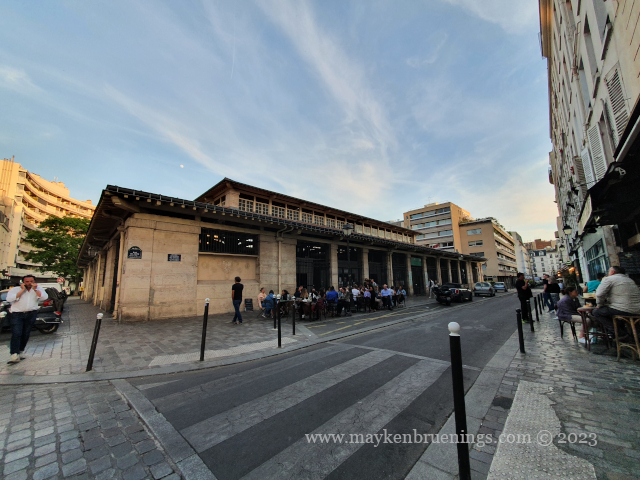
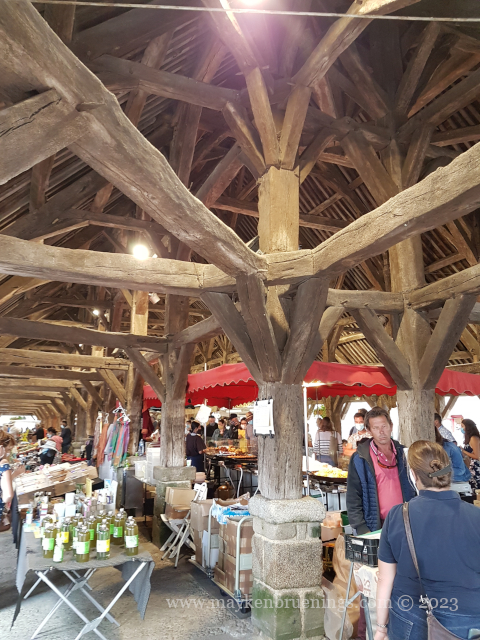
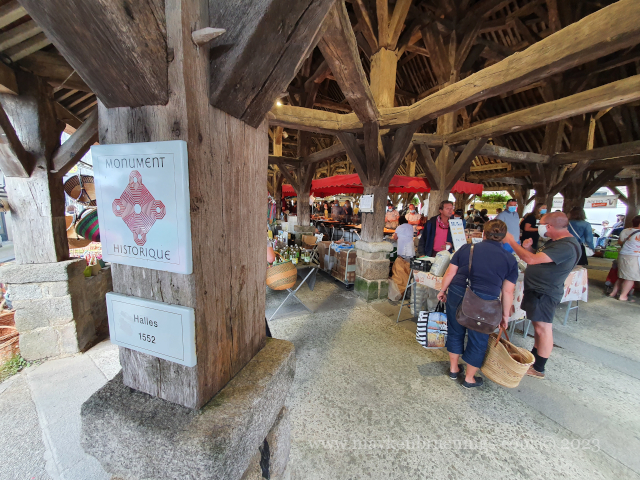
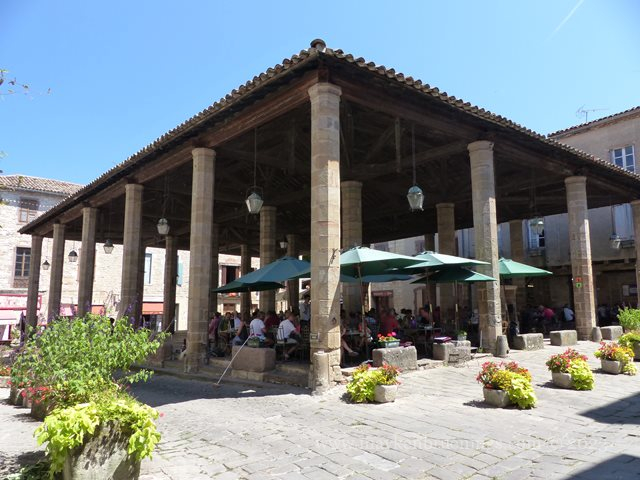
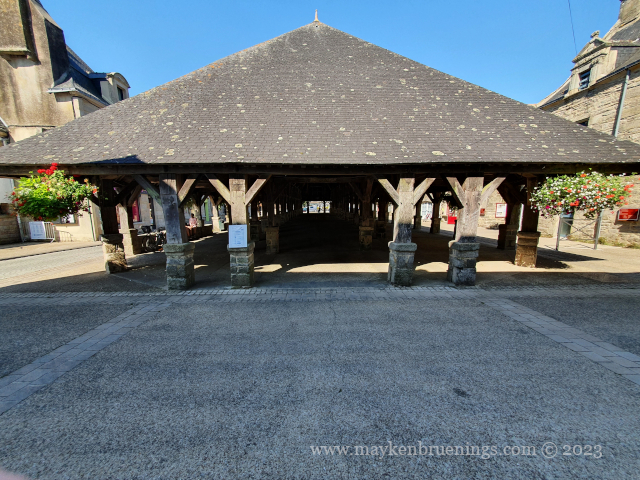
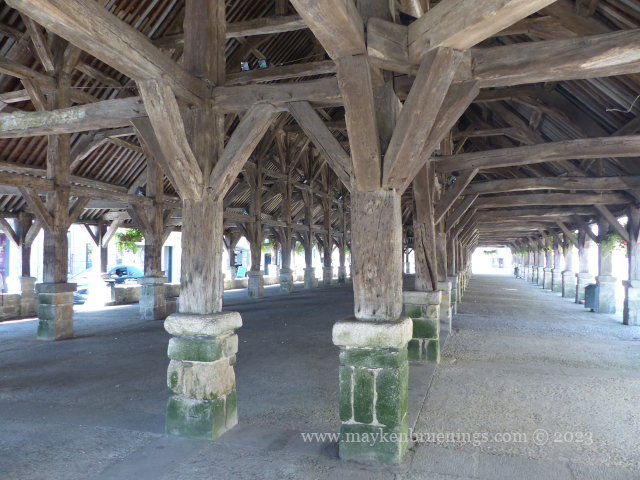
Though not in Paris, this is an old French market hall
Fast forward to 1860, when there were already 51 markets. One of them is the oldest existing covered market, dating back to 1615 under King Louis XIII, the Marché des Enfants Rouges. It is located in the 3rdarrondissement and open every day except Mondays from 8h30 till 20h30, (closing later on Thursdays but earlier on Sundays).
Place d’Aligre market in the 12th arrondissement
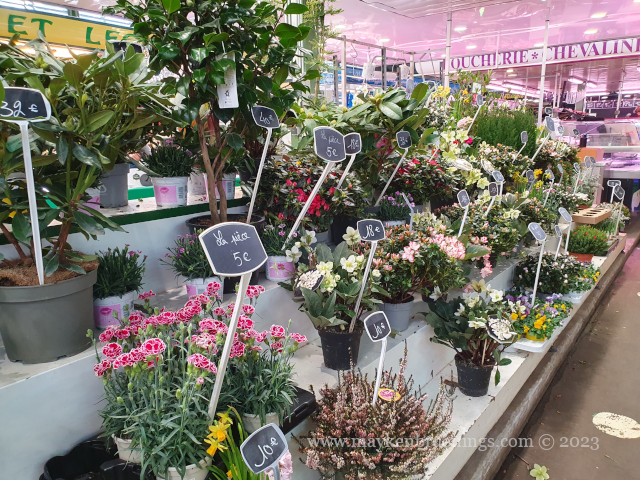
As of today, Paris has a total of 95 markets, with around 9,000 marketers. This number includes food markets, flea markets, and specialized markets. The City of Paris website gives these details: 72 open-air food markets (including 3 organic markets), 10 covered markets, plus the specialized markets such as flower market, bird market, clothes market, flea markets and 2 creative markets where artist show their original art.
Generally, the food markets are open from 7am to 2.30pm on weekdays and from 7am to 3pm on weekends. Due to customer demand, five markets were created that are open in the afternoon once or twice a week.
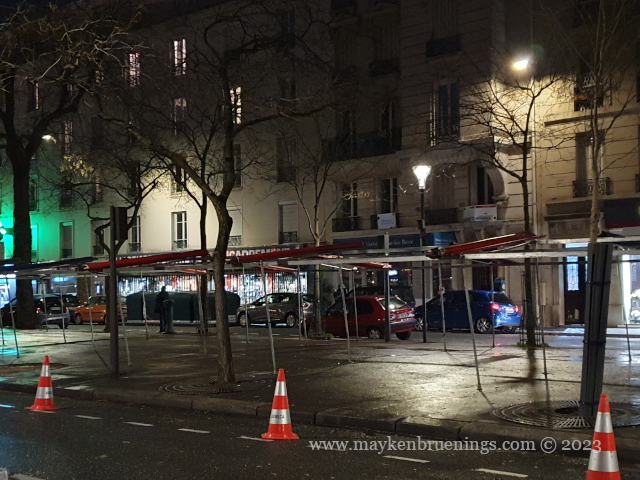
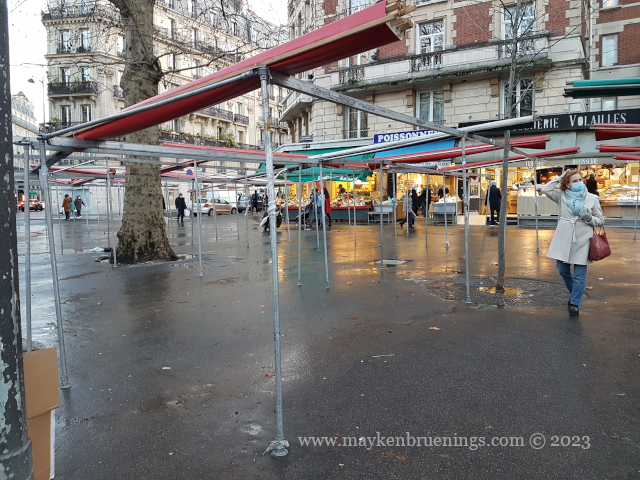
For outdoor markets, the market team of the City of Paris sets up the “skeleton” of the market stalls. Indoor markets have it easier, everything is already in place.
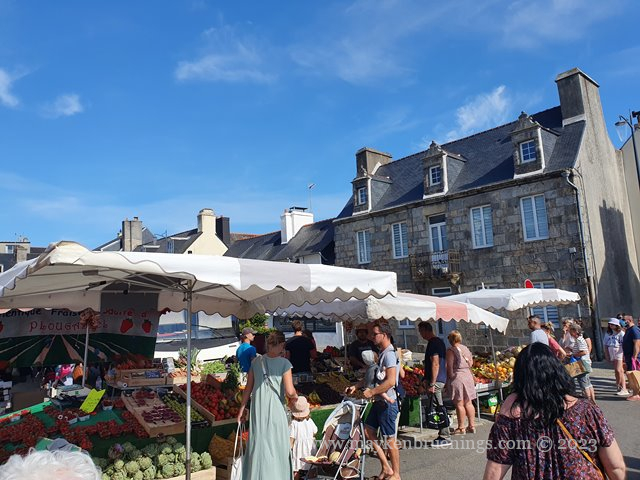
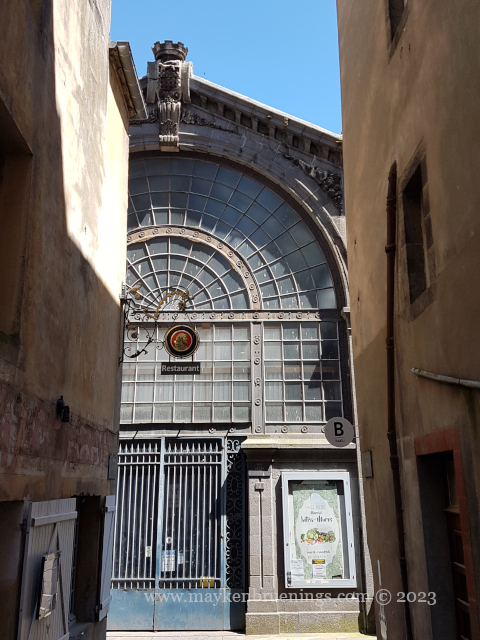
If you travel across France, you will find old market halls that are basically wooden roofs open on the sides, or open-air markets in small villages or mid-sized towns. Every town in France has a market, just check their website or ask at the tourist office about market day. And don’t be afraid if you don’t speak French, you can always point at the items and hold up a few fingers.
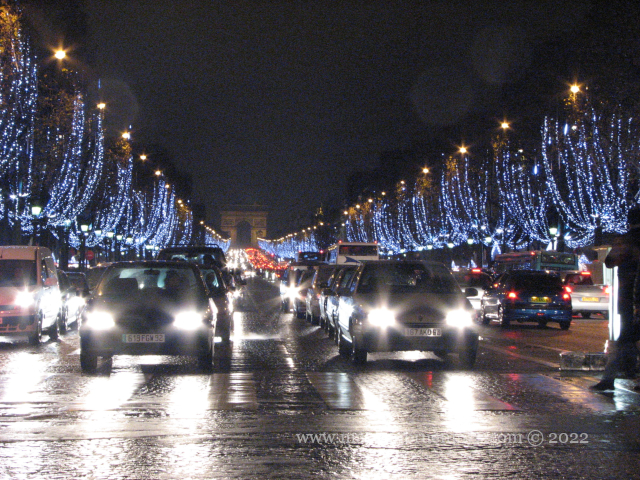
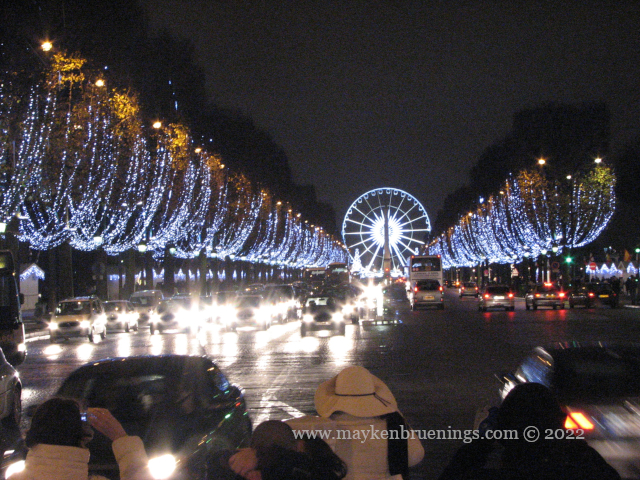
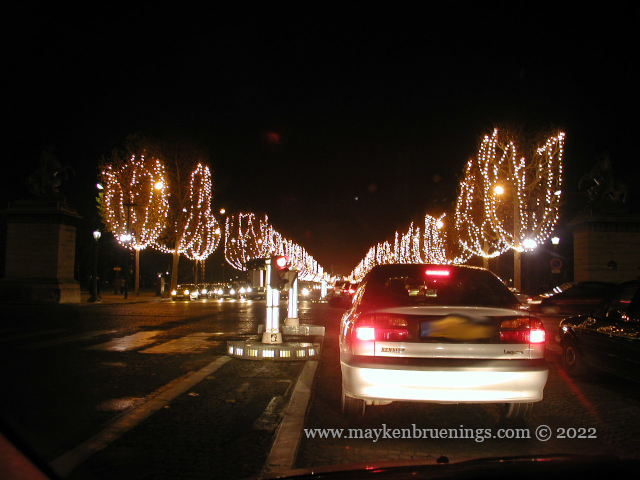
If you have ever been to Paris around Christmas, chances are you’ll have seen the Christmas lights on the Champs Élysées.
The Champs Élysées in 2008
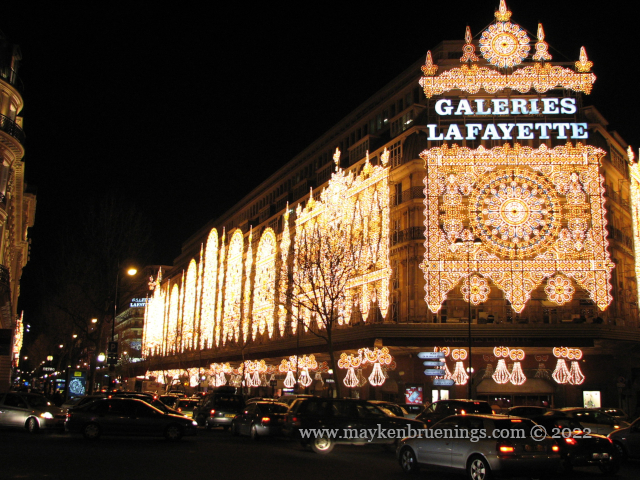
Electric street lights came into existence in Paris at the end of 19th century, but only in the most frequented areas. It was only after the World Fair of 1881 that the “electricity fairy” began to be perceived as a universal service. In 1883, the department store Le Printemps is the first to be lighted entirely by electric lights. The other Grands Magasins (department stores) follow, with impressive light displays year after year: the BHV Marais, the Galeries Lafayette, the Samaritaine, and the Bon Marché.
The Galeries Lafayette in 2007
As for the Champs Élysées, the “Illuminations de Noël” or Christmas lights, start at the end of November and last till the beginning of January. Each year, a celebrity is invited to switch on the lights on the first night. In order to save energy, not only are all lights LED, but as of 2022, the duration has been shortened by one week and finishes on January 2nd, 2023. The lights are switched off two hours earlier than usual, at 23h45.
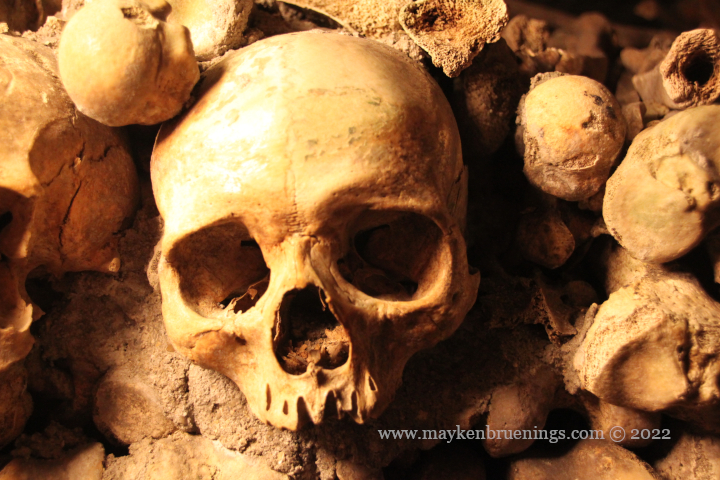
When you find yourself with an avalanche of human bones in your basement, you know it’s time for change.
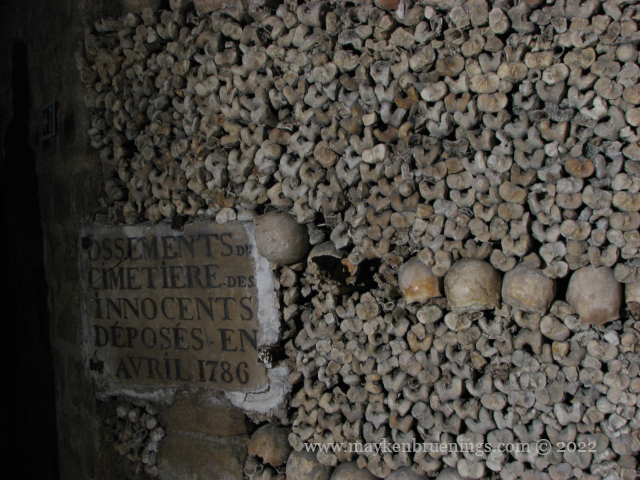
Which is what the city of Paris did when exactly that happened to neighbors of the Cimetière des Innocents in 1774. Looking for a place to store the bones from the overflowing inner-city cemetery, they came up with the idea to put them in the decommissioned stone quarries underneath the city.
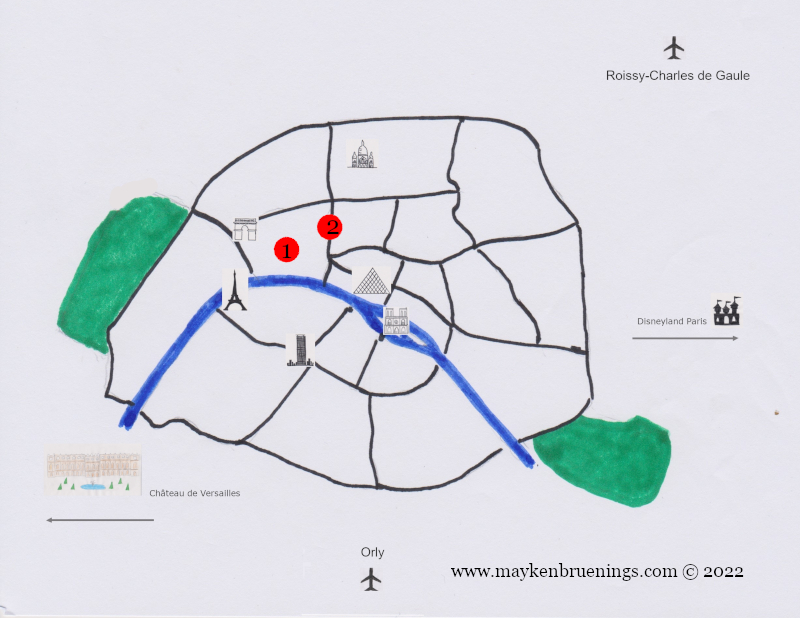
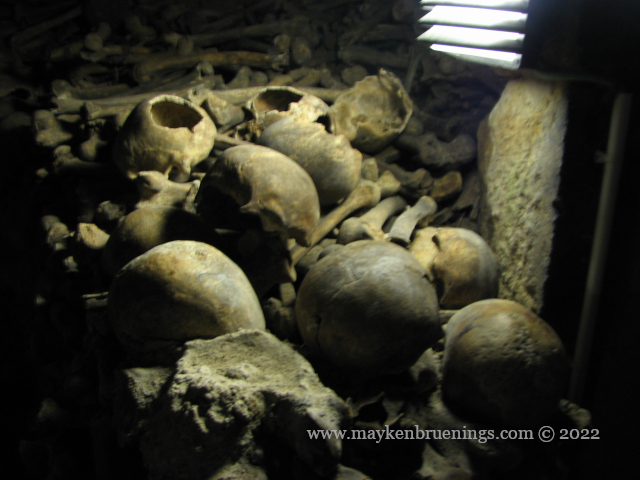
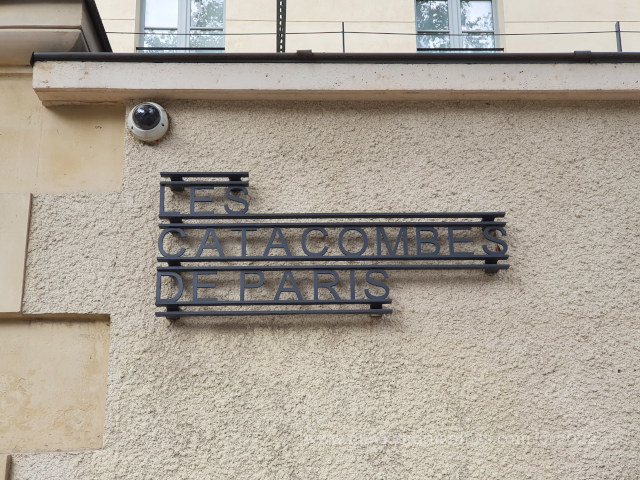
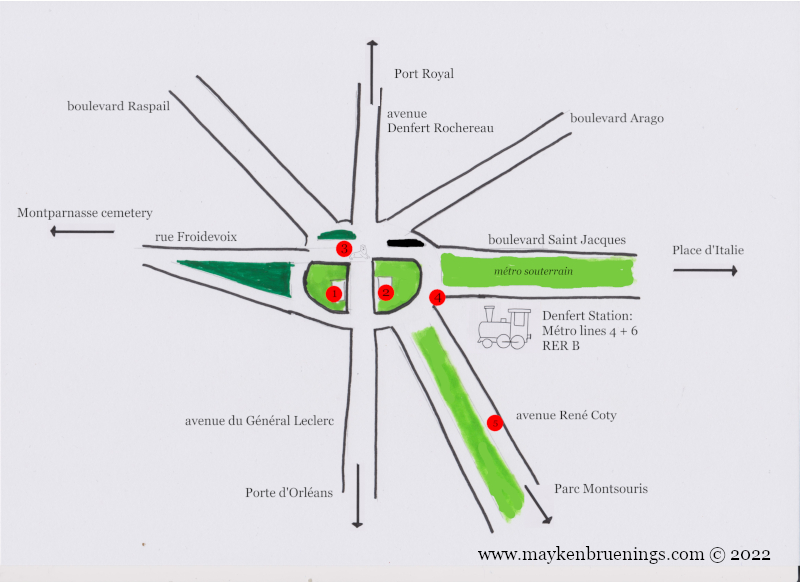
After arrangements had been made, bones from the various cemeteries of Paris, Les Innocents included, were carted to a chute in the avenue René Coty (near Place Denfert-Rochereau) to be stored underground. The name Catacombes was borrowed from Ancient Rome, even though there were no graves and funerary monuments. At first, the bones were stacked along the tunnels over hundreds of meters. It was only after the first VIP visits at the beginning of the 19th century that the bones were somewhat organized. More cemeteries had to be closed as the city grew, and their bones were added to the ones already in residence.
Signs were added to indicate the cemetery of origin, and the gravediggers arranged skulls and bones in patterns that can still be seen today.
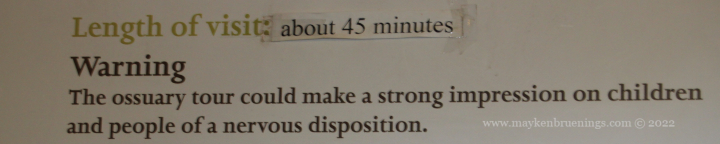
In 1809, the Catacombes became a museum that today is part of the Musée Carnavalet and gives visitors access to a small fraction of the tunnel network of Paris’ ancient stone quarries.
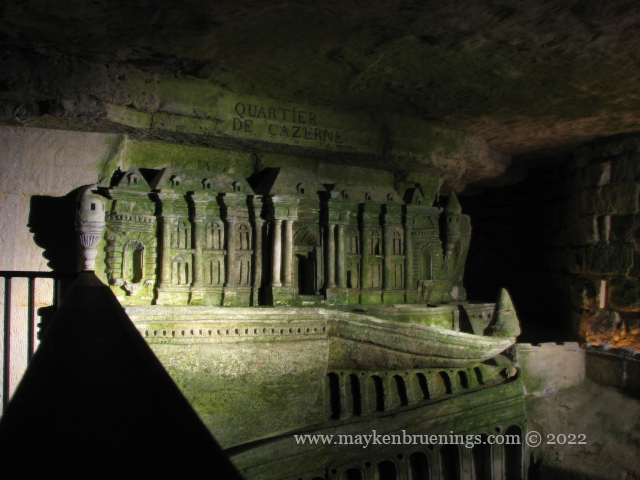
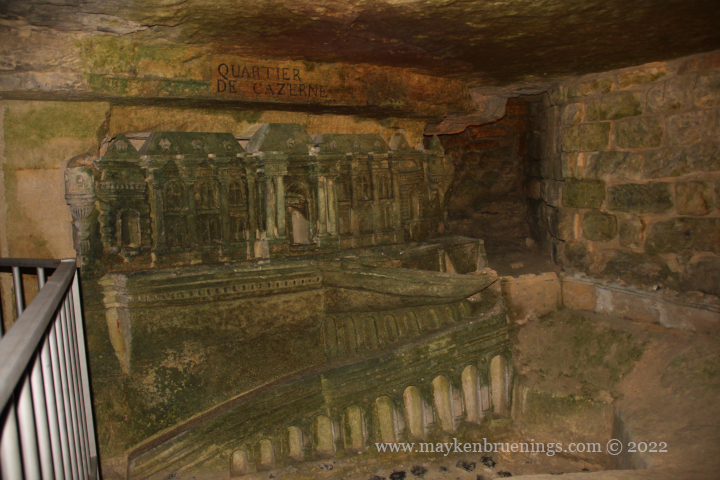
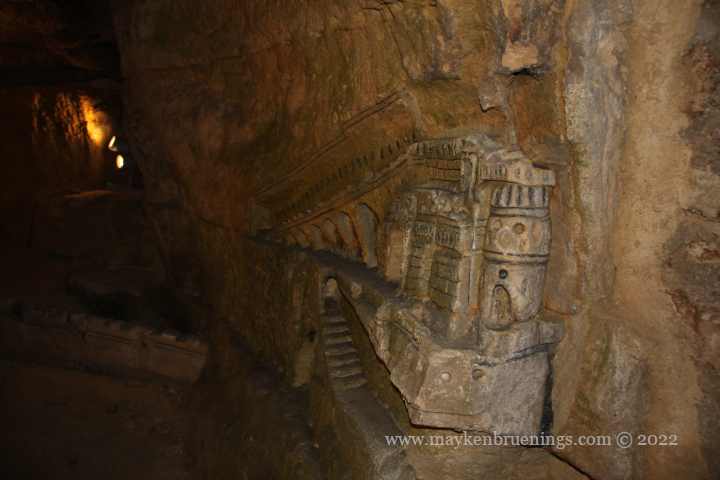
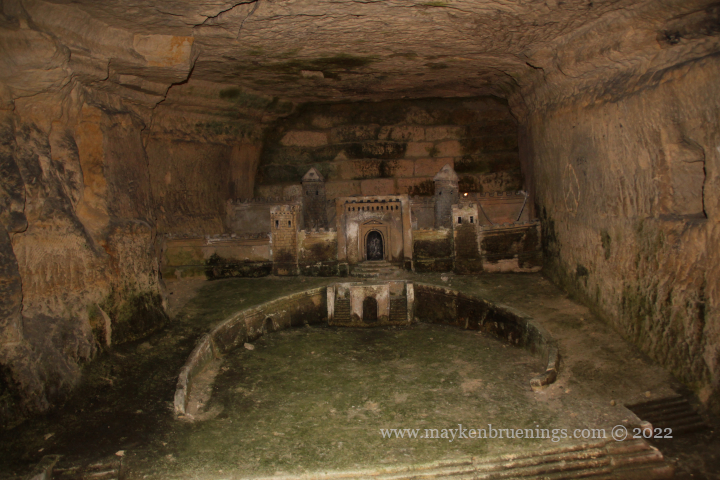
In one of the first sections of the visit, sculptures made by a quarryman in the late 18th century can be seen. They represent sites from Port-Mahon on the Spanish island of Minorca where he was said to have been a POW.
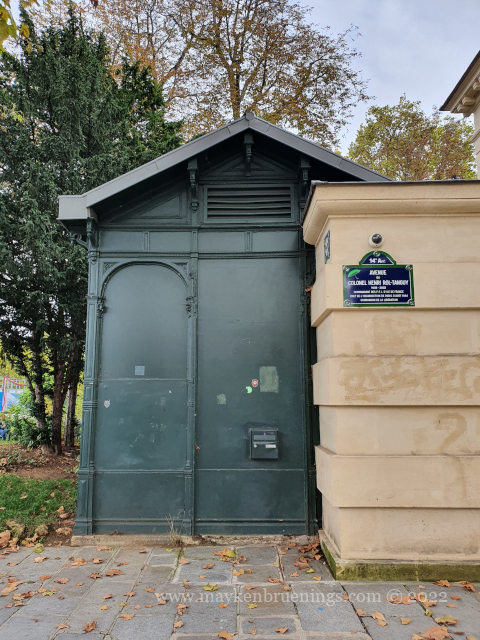
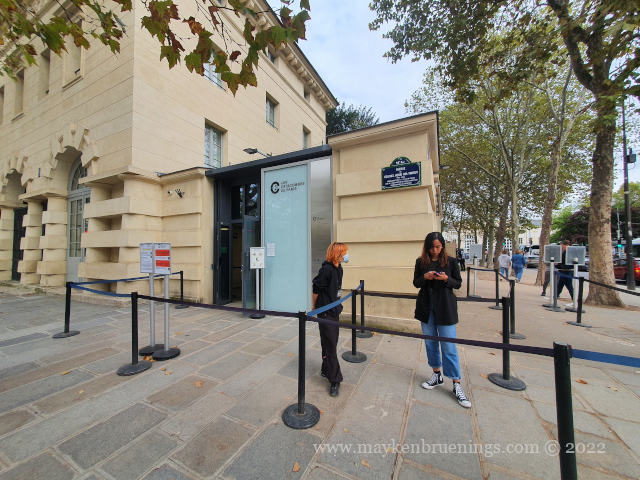
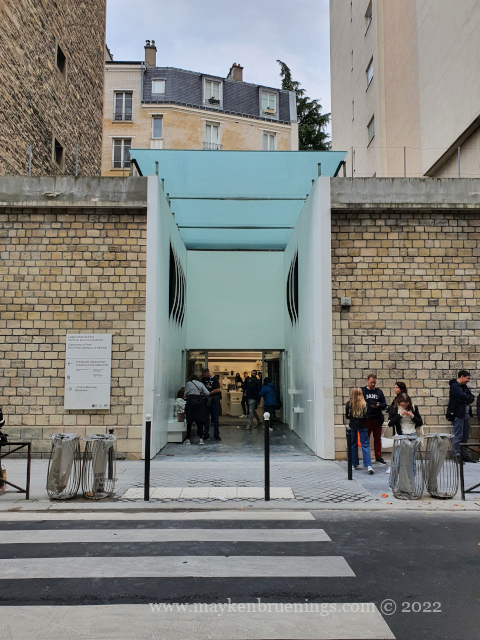
There used to be a long line of visitors starting out from the old entrance and winding back around the square behind the eastern lodge of the barriére d’Enfer (entry point of the General Farmers’ Tax Wall), but recently, it was closed in favor of a new entrance, and the ticket sale has shifted online, so now visitors can book their spot in advance and don’t need to queue any longer.
old entrance
new entrance
exit at 21 avenue René Coty
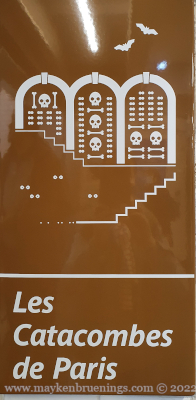
signage in the métro station Denfert-Rocherreau
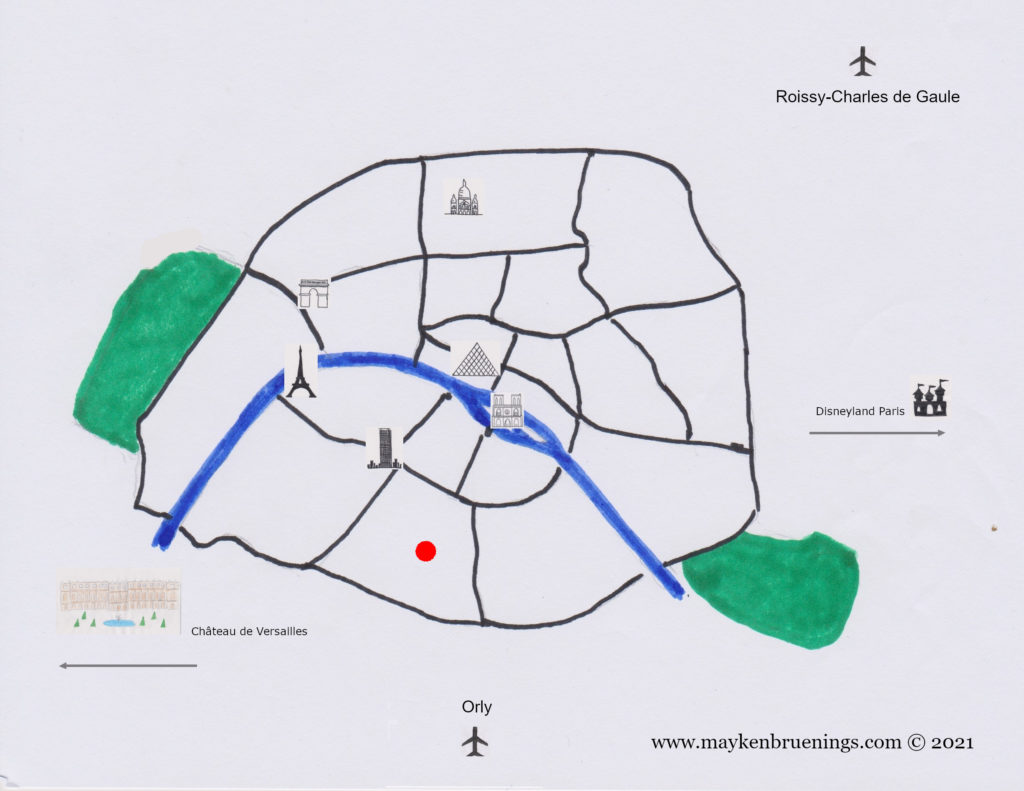
N° 2: Catacombes entrance, n° 5: Catacombes exitLocation of the Catacombes entrances on a map of Paris
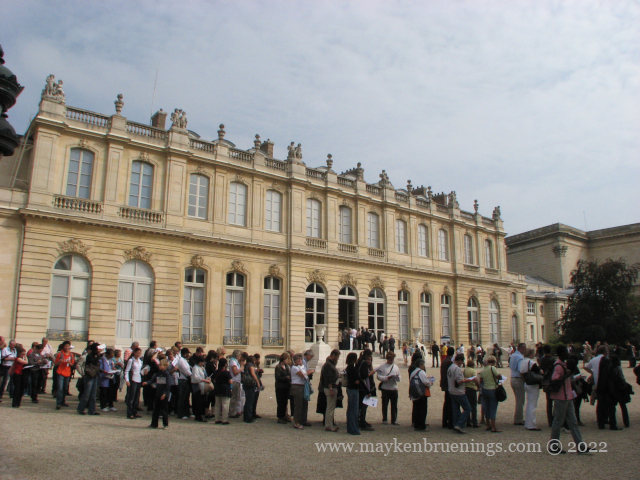
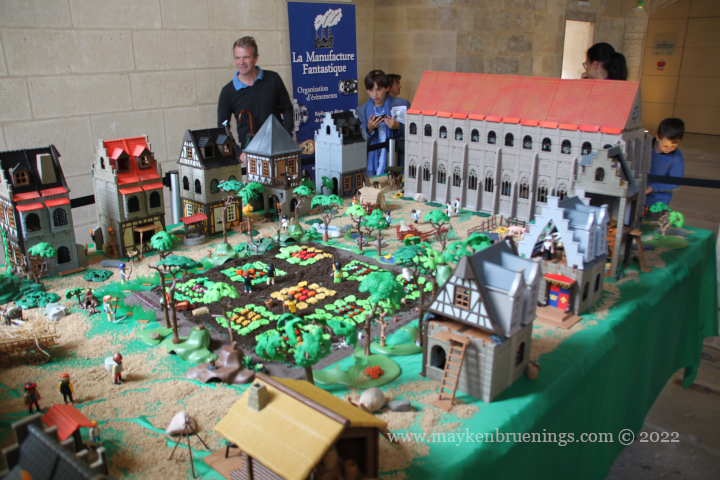
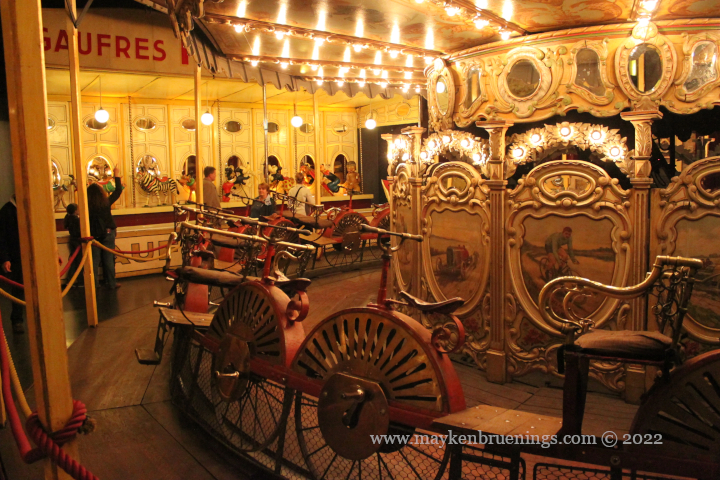
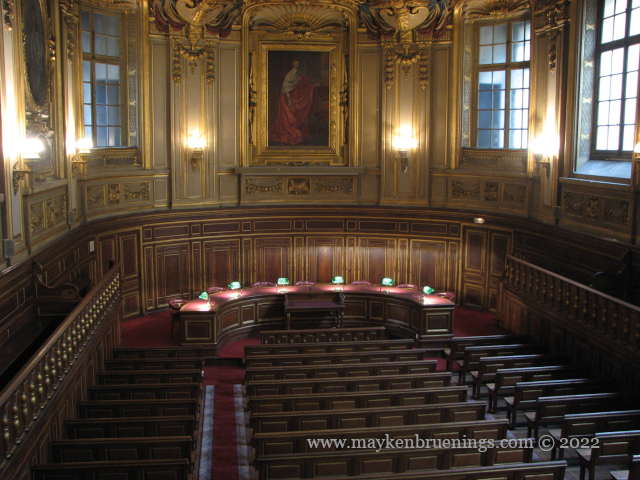
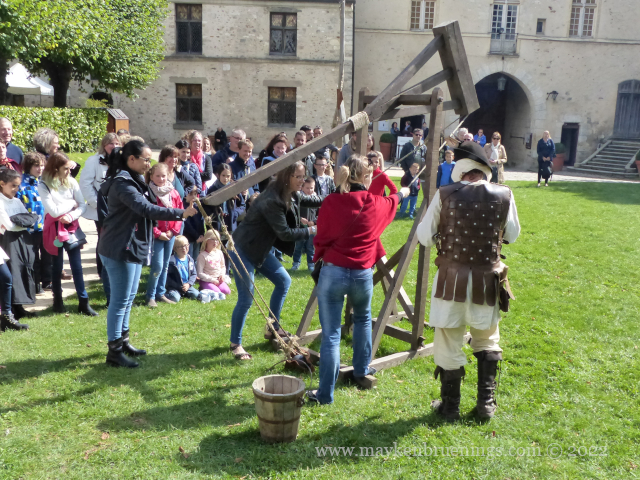
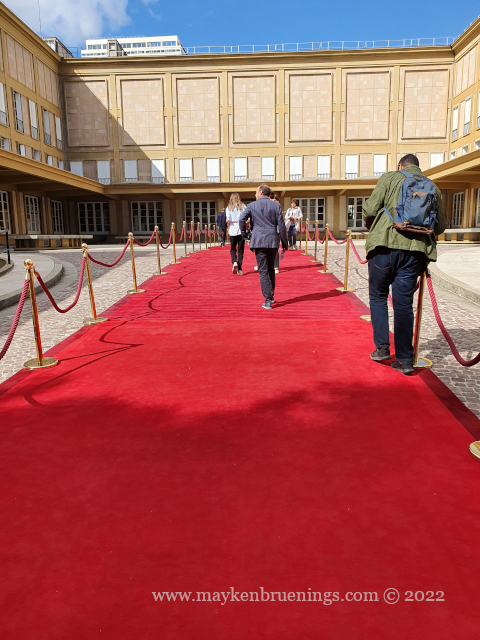
The European Heritage Days, based on an initiative of the then French Minister for Culture, Jack Lang, in 1984, now exist in 50 countries across Europe. In France, the Journées Européennes du Patrimoine, take place on the third weekend of September. This means sites that are usually closed to the public will be open, other sites will be free of charge, many will offer special activities and/or guided tours. Some will require reservations, but many will just let you drop in, from well-known institutions in big cities to ancient buildings in small villages. Often there will be activities for younger visitors.
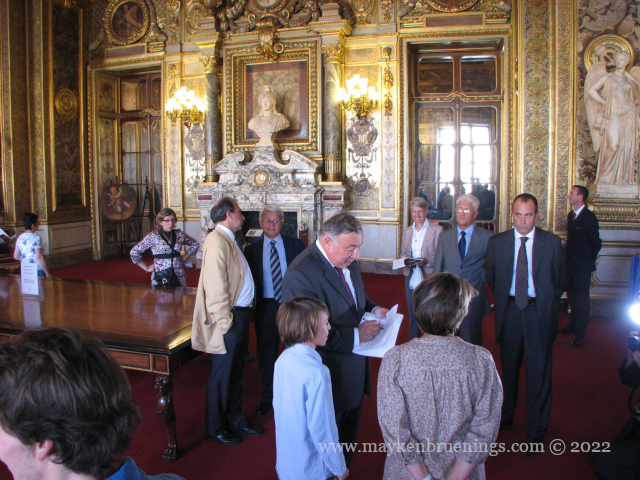
At some point, when you got in line at 5am at the Elysée Palace, you might be lucky and shake hands with the president, or do the same with the prime minister after queuing at the Hôtel Matignon. I once stood in line at the Senate, the Palais du Luxembourg and indeed met the president of the Senate, the upper house of Parliament. He is the third person of the state in order of importance, after the president and the prime minister, and before the president of the national assembly.
Gérard Larcher, President of the French Senate
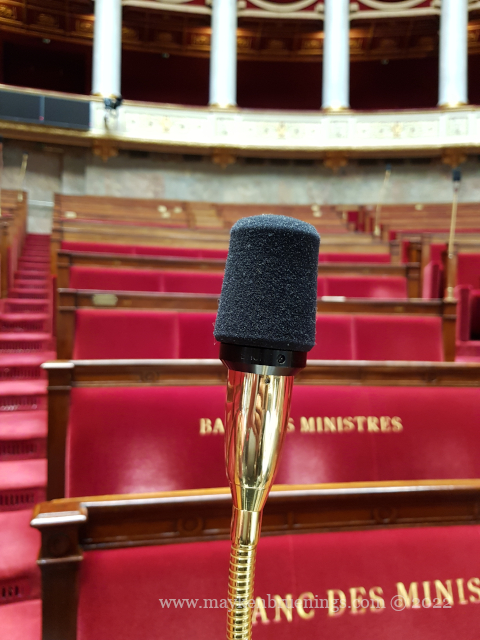
I am not sure though if you still queue for these institutions nowadays or sign up online, as I did to visit the National Assembly, the lower house of Parliament, more recently.
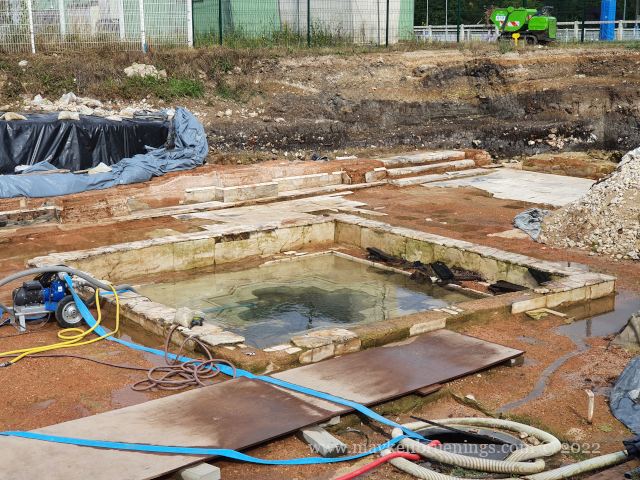
When you choose your visits, don’t overlook small events. You never know a hidden gem until you find it. For example, on year in the Latin Quarter, a college offered the visit of ongoing preventive archaeology digs – it turned out there were Gallo-Roman ruins on a site marked for construction, and archaeologists were trying to unearth and save as much as they could. This is something that will never be seen again!
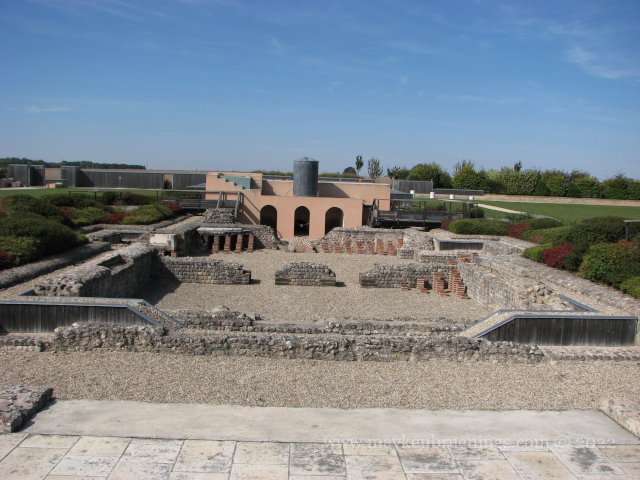
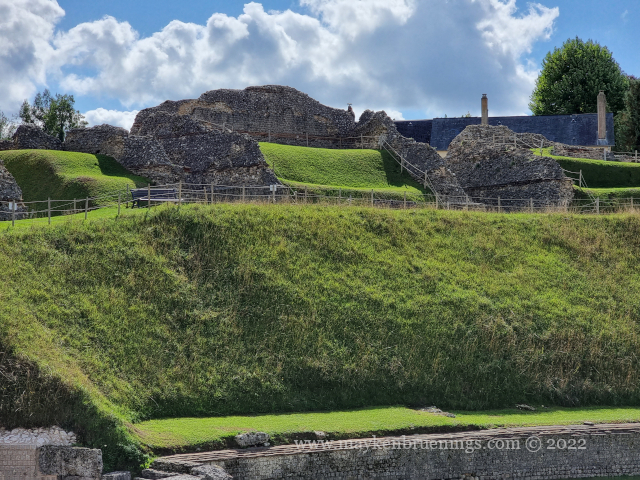
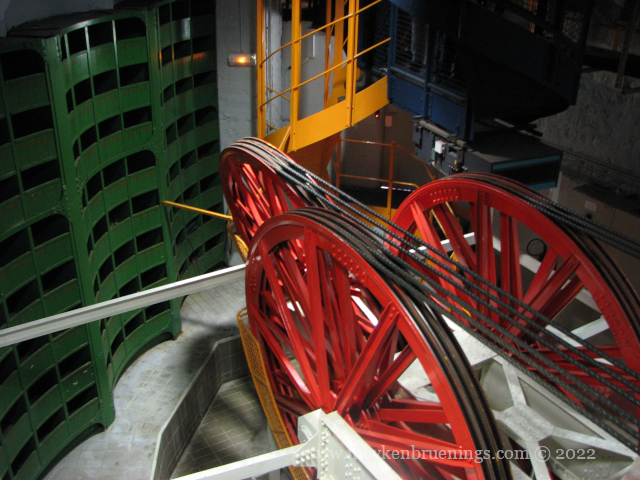
Here are glimpses of some other interesting places I’ve visited during Heritage Days in and around Paris over the years:
OLYMPUS DIGITAL CAMERA
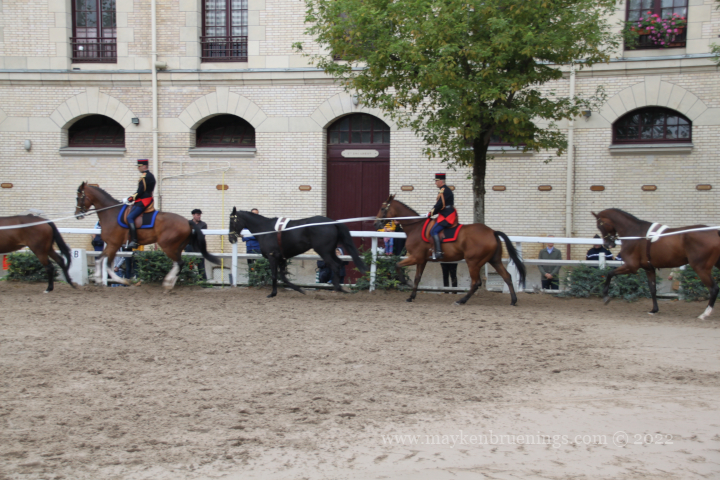
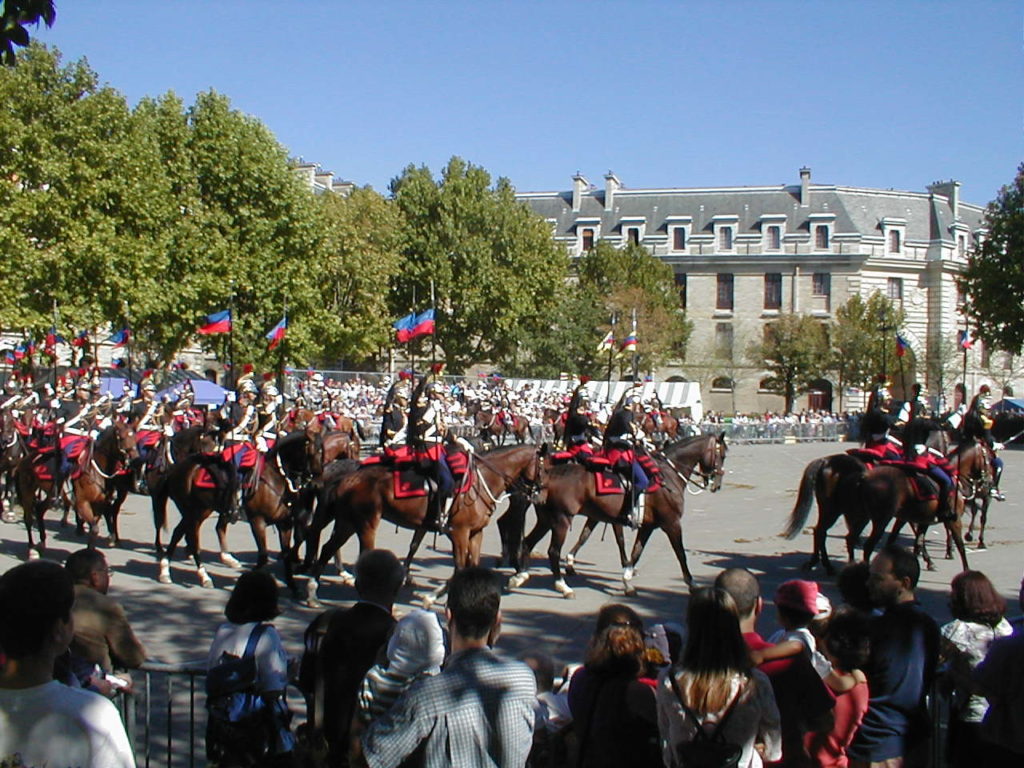
The Garde Républicaine
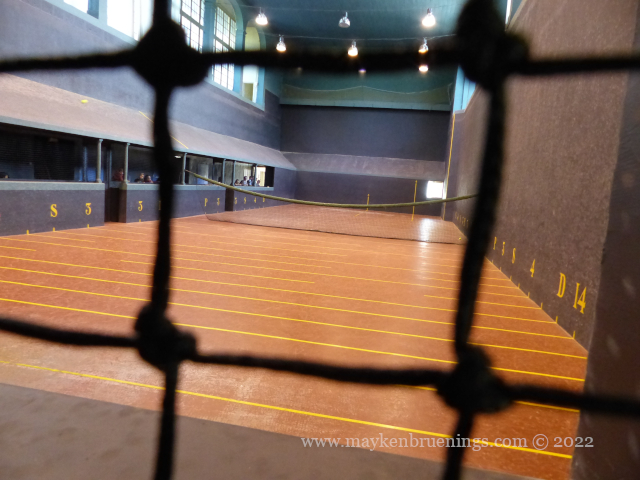
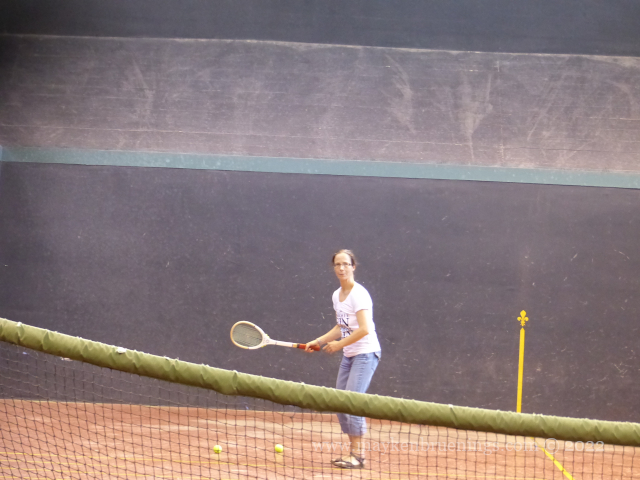
The Jeu de Paume (ancestor of tennis) court at Fontainebleau Palace – that’s me playing!
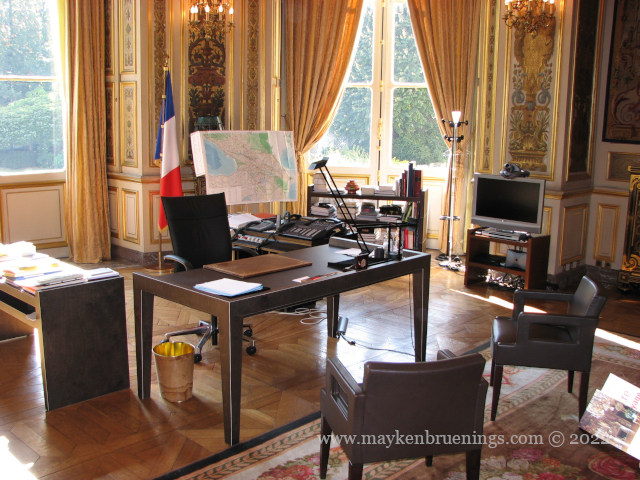
The minister’s desk at the French Ministry for Foreign Affairs at Quai d’Orsay
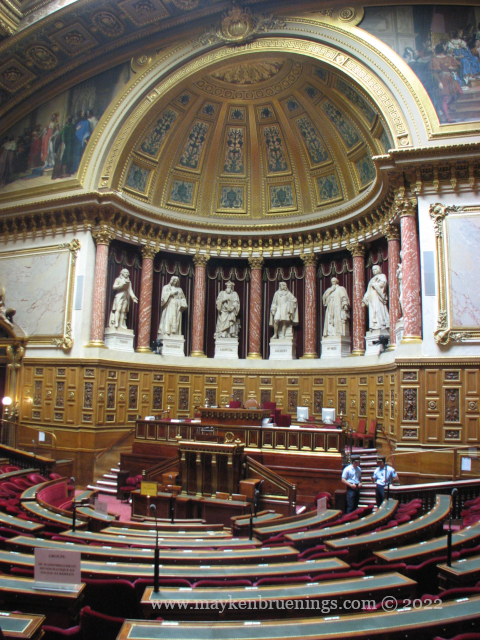
The French Senate
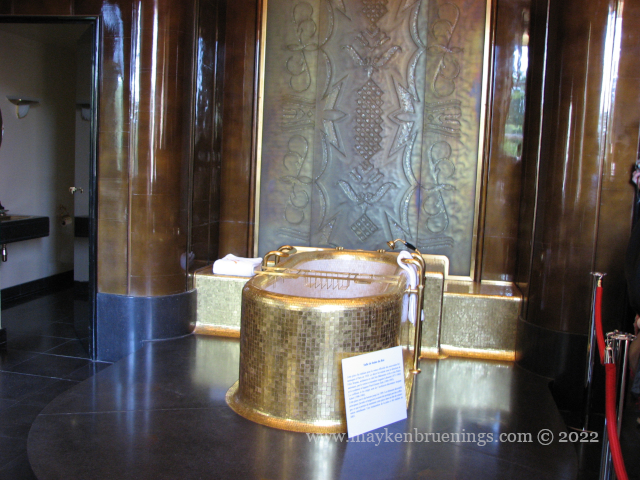
King George VI’s bathtub at the French Foreign Ministry